The Story
Why it exists.
The beginning
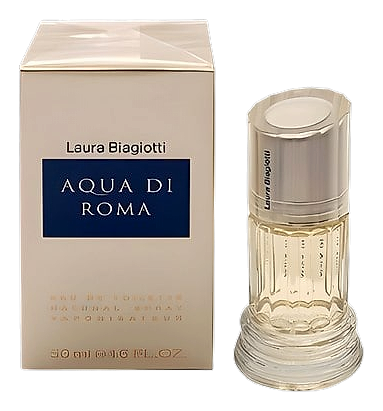
Carlos Viñals designed Aqua di Roma in 2004. The brief was to create a fragrance that embodied the spirit of the Eternal City in summer. Viñals built the scent around a tension between opposing forces, the brightness of citrus against the richness of florals, both present, both refusing to apologize. It arrived after the original Roma, but it's not a sequel. It's a different mood entirely.
The structure is interesting because it doesn't follow the usual floral-fruity playbook. Instead of letting the top notes clear out before the florals arrive, Viñals stacks them, bergamot and blackcurrant stay in conversation with the mimosa and honeysuckle through the heart. The effect is a fragrance that feels continuous, like one long exhale rather than distinct acts. The tuberose is the anchor, but it's not the opening. You have to wait for it, and the waiting makes it land differently.
The evolution
The opening is all citrus, sharp and bright, with bergamot hitting first, lemon close behind, and blackcurrant adding just enough weight to keep it from smelling like cleaning product. Within twenty minutes, the florals begin to surface. Mimosa comes up first, soft and yellow, followed by honeysuckle and then magnolia, which adds a creaminess that shifts the energy from fresh to something warmer. Jasmine gives everything a slight green edge, a small correction that keeps the composition from going too sweet. The heart is where Aqua di Roma earns its name. The tuberose doesn't arrive with force, it's more like finding a tuberose plant in a walled garden, the scent drifting over a wall rather than waving at you. Rose appears here too, but it's subtle, more texture than statement. The base notes begin their slow emergence.
Cultural impact
Aqua di Roma occupies a specific corner of the floral-fruity category, it's not a statement fragrance, not a projection powerhouse, not trying to be noticed across a room. It's designed for the person who wants to smell like they've been somewhere pleasant, not someone who wants to announce their arrival. The seasonal data tells the story clearly: it peaks in summer, which makes sense given its citrus-forward opening and its refusal to overwhelm in heat. Spring votes are nearly as strong, suggesting it's become a reliable choice for the transitional months when florals start to feel appropriate again.