The Story
Why it exists.
The beginning
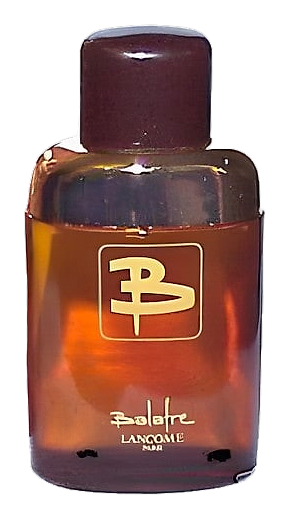
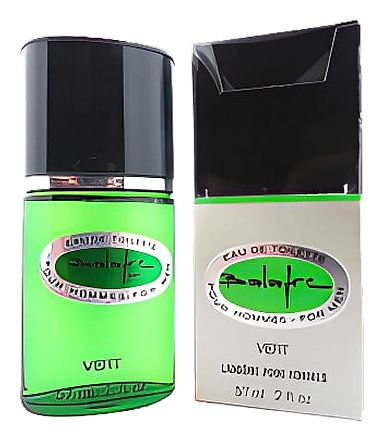
Balafre Vert arrived in 1974 as part of Lancôme's Balafre line, a masculine counterpoint to the house's established femininity. The name itself, Balafre, means "scar" in French, suggesting something with edges, with history. Vert, meaning green, narrowed the focus: this was not about warmth or sweetness, but about the cool snap of coniferous air, the smell of a forest in late October. It was a statement of a different kind of confidence, quiet, rooted, capable of standing alone.
The structure is unmistakably fougère, a family built on the tension between lavender's coolness and oakmoss's earthiness. What distinguishes Balafre Vert is the density of the coniferous layer, cypress and pine threading through the heart alongside geranium and sage, lending a sharp herbal quality that prevents the composition from settling into mere nostalgia. The green notes are not decorative. They are structural. Cedar and clove anchor the middle, preventing the heart from softening, keeping the overall impression cool and slightly bitter until the base notes arrive.
The evolution
The opening arrives quickly: lavender and bergamot give way to a sharp coniferous burst, cypress pressing forward, pine settling behind. The transition is not gentle. For the first twenty minutes, the fragrance reads as cool, almost medicinal, a forest floor before sunrise. Then geranium and cedar arrive. The sharp edges soften slightly, but the herbal quality remains, sage and clove adding a faint warmth that cuts through the green without overwhelming it. By hour two, the drydown establishes itself: vetiver and leather becoming the primary conversation, oakmoss lending that unmistakable mossy depth, amber and musk holding everything close to the skin. The sillage is moderate, present without announcing itself. On fabric, the drydown can linger for days.
Cultural impact
Balafre Vert occupies an interesting position among vintage fougères: it is less celebrated than some contemporaries but more coherent in its structure. The density of its coniferous heart, pine and cypress layered with sage and clove, sets it apart from lighter, more citrussy fougères of the era. For collectors of discontinued masculine chypres, it remains a quiet find.