The Story
Why it exists.
The beginning
Lancetti spent the 1980s building a masculine vocabulary, robust woods, unapologetic spices. By 1990, the house wanted to try something different. IL arrived as a deliberate pivot: fresher, more aromatic, more considered. The brief was a fougère for a man who'd grown up and wanted a scent that matched. Not louder. More precise.
The structure tells the story. Lavender anchors the composition, six notes in the opening, but the anise is what people remember. It's unexpected in this genre, almost medicinal at first, cooling rather than sweet. The aldehydes add a vintage lift, a nod to the fougères that defined an earlier generation. But the leather and vetiver in the base keep it grounded, modern, Italian. This is where restraint lives.
The evolution
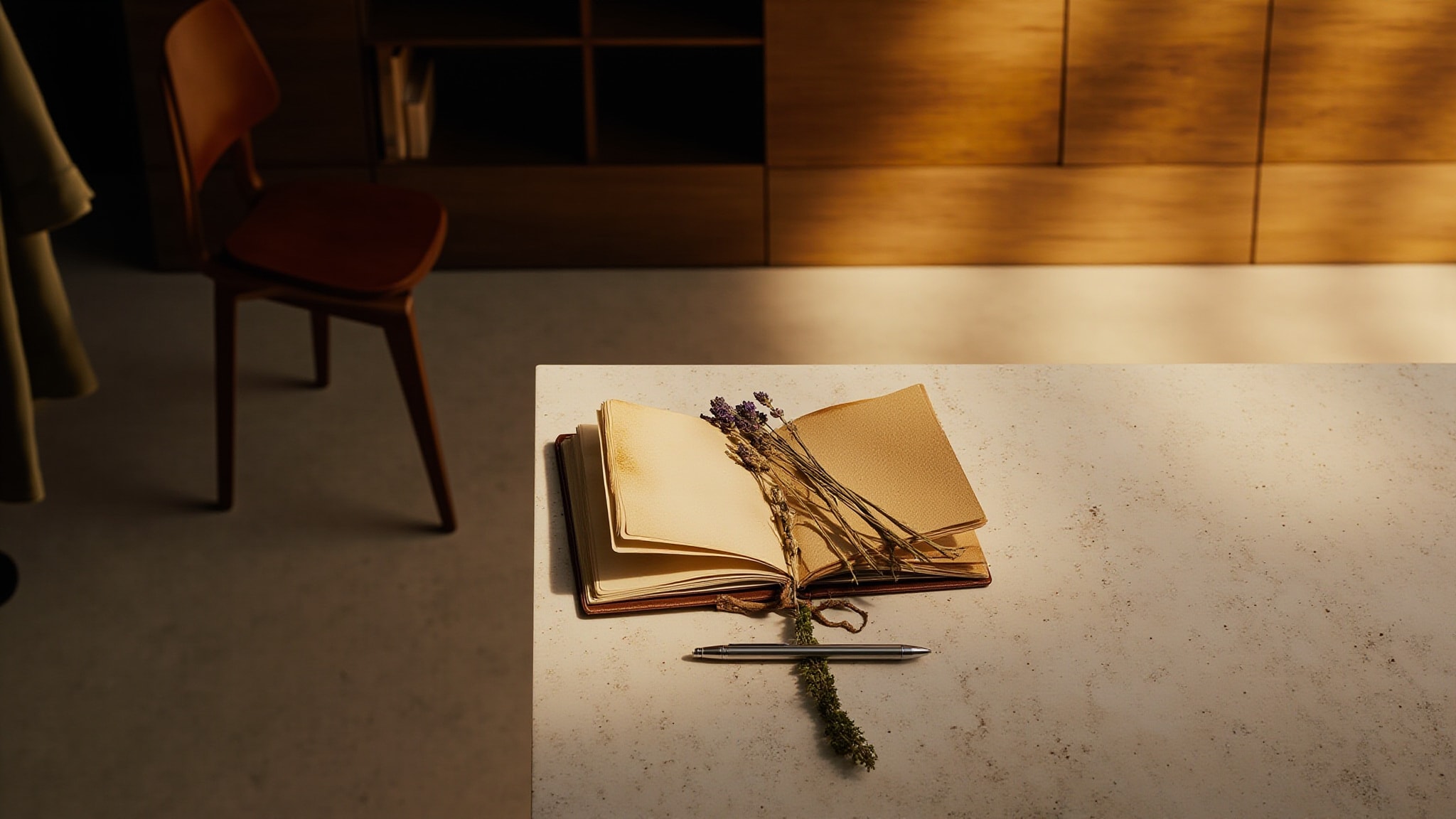
The opening arrives quickly, bergamot and basil cutting clean, neroli adding a whisper of citrus blossom. Within minutes the lavender settles in, structured and deliberate, the anise making itself known as a cool, faintly licorice-like presence. The aldehydes lift the heart, making the carnation and geranium feel powdery and refined rather than floral. The transition to the drydown happens gradually over a few hours. The leather emerges first, then the moss, earthy, damp, the smell of old libraries and wooden desks. Vetiver lingers longest alongside the anise, eventually giving way to a quiet cedar that stays close to the skin. Moderate sillage means it stays intimate, within arm's reach, not across the room. By the next morning, a trace remains on fabric, vetiver and cedar, softened and warm.
Cultural impact
IL occupies an interesting position in the lineage of aromatic fougères, contemporary enough for 1990, yet grounded in a tradition that stretches back decades. It speaks to a specific kind of wearer: someone who values restraint, who doesn't need a fragrance to announce their arrival. The anise sets it apart from its contemporaries, adding a cool, almost pharmaceutical edge that some find polarizing and others find brilliant. Among collectors who've kept up with Lancetti, it remains a quiet favorite, not the brand's most famous work, but perhaps the most considered.