The Story
Why it exists.
The beginning
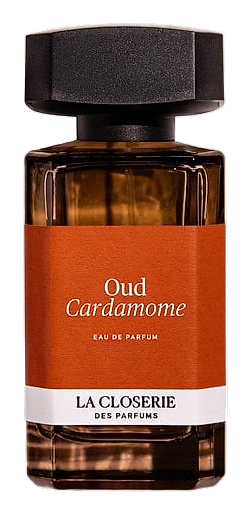
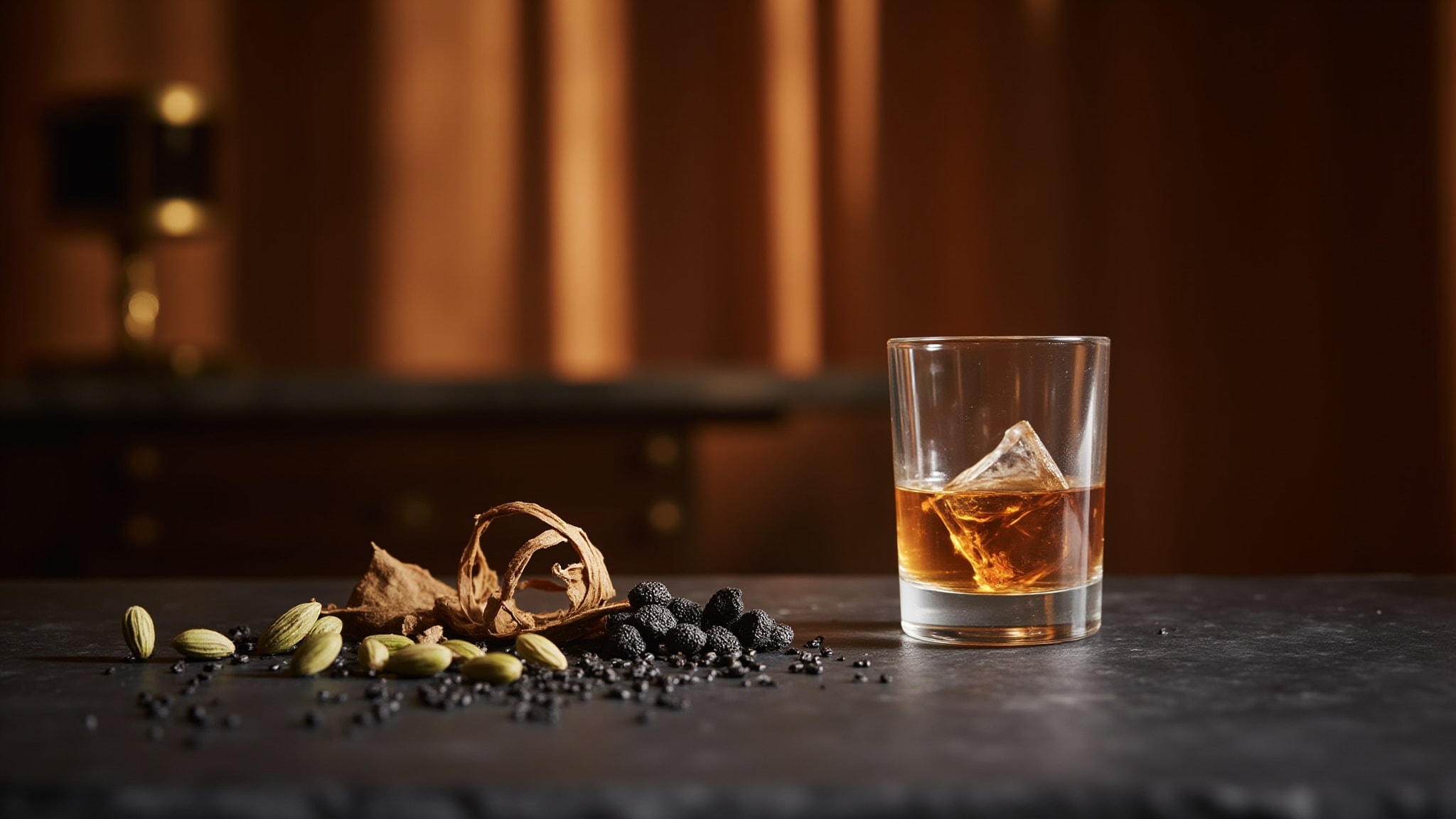
Oud Cardamome carries a clear conceptual spine: the perfumer Bernard Maccini composed a return to ancestral sources, building the fragrance around the oldest materials in a perfumer's working palette. Guatemalan cardamom and Moroccan artemisia open the door. The heart stages an argument between oud and smoke. The base closes on tobacco absolute of Bulgaria. Each layer reaches back toward something traditional, then sets it against the next in a modern proportion. The composition reads like a deliberate conversation between spice, smoke, and wood, with each note given room to press its case before the next one cuts in. The cardamom carries a green, almost peppery snap that sets the temperature before anything heavier arrives.
What makes this composition worth a second look is the hinge between the heart and the base. Bay rum and labdanum do the middle work, which is unusual. Here bay rum carries the transition from pepper heat into tobacco smoke, acting as a bridge that most compositions either skip or treat as a passing accent. Then guaiac wood steps in, and the smoke accord arrives as cured leaf rather than blowing ash. The patchouli underneath is clean, not earthy in the vintage sense. Bernard Maccini built a bridge between the aromatic and the smoky, two territories that rarely overlap.
The evolution
The first ten minutes are deceptive. Bergamot and cardamom hit bright, almost cocktail-bright, and you might think this is a lighter composition than the accords suggest. Then oregano and artemisia tilt it greener, more herbal, and you understand the first impression was a setup. By the thirty-minute mark the bay rum shows up with the black pepper behind it, and the whole thing drops in temperature. Labdanum arrives sticky and ambered, pulling the scent toward skin. From the two-hour mark onward it's smoke and tobacco doing the talking. Guaiac wood keeps the structure standing while the tobacco leaf dries down into something almost leathery. Patchouli stays low and clean underneath the whole performance. As the hours pass, the smoke has thinned and what remains is tobacco, guaiac, and a faint resinous sweetness from the labdanum.
Cultural impact
Oud Cardamome is a fragrance that wants to be worn, not announced. The composition leans into heat and structure, and the smoke-tobacco accord gives it a presence that builds rather than projects. It reads as something for a long evening, something that does work on skin over time rather than filling a room in the first minutes. The spice in the opening is sharp enough to register without tipping into sweetness, and the base settles into a dry, woody warmth that stays close. Wearers tend to notice it most on themselves rather than on others, which is the point.
The House
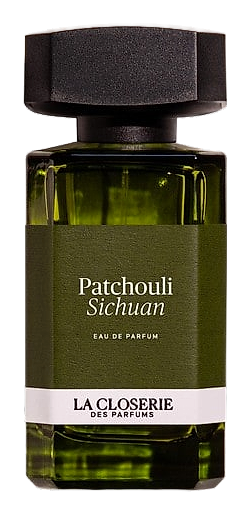
La Closerie des ParfumsLa Closerie des Parfums is a French niche perfume house that draws its identity from the quiet elegance of Parisian walled gardens. Founded in 1972 by brothers Antoine and Hervé Madrid, the house began by supplying fragrances to the American market. After three decades, their daughter Valérie Madrid revived the label in 2019 with a collection that emphasizes noble ingredients and a garden‑inspired narrative. The brand releases a modest number of scents each year, each built around a single botanical or spice theme, such as Oud Cardamome (2019) or Patchouli Sichuan (2022). Its bottles are understated, allowing the scent story to take centre stage.
The Creator
Bernard MacciniMaccini's signature lies in structured compositions that lean on rich, warm materials. Oud and cardamom feature in his documented work, suggesting a comfort with the opulent end of the oriental spectrum.