The Story
Why it exists.
The beginning
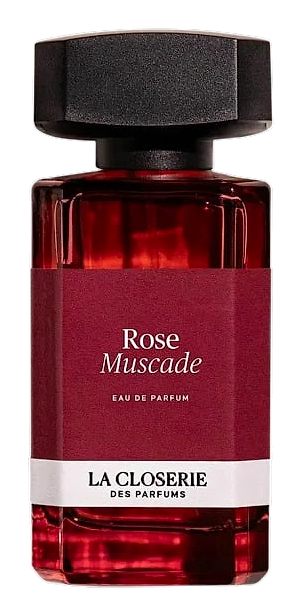
Rose Muscade arrived in 2018, composed by Benoist Lapouza during a period when the house was developing its approach to single-theme compositions. The name itself does the work: rose and muscade, the bloom and the spice. Two ingredients that have shared a bottle in perfumery more often than you'd think, but rarely with this much clarity about who leads. The Indonesian nutmeg isn't a side accent here. It's structural. Pull it and the whole composition loses its spine. Lapouza treated the rose as architecture rather than ornament, building the composition around tension between the flower's softness and the spice's drier warmth. The rose opens with a dusty, almost peppered quality from the nutmeg underneath, and that early friction sets the tone for everything that follows.
Then the base earns its keep. Amberwood and Atlas cedar give it gravity, vanilla softens without sweetening, and vetiver grounds everything with its dry, earthy whisper. The accords register as spicy-floral-woody-powdery-fresh, which sounds like a lot until you smell it: the elements stack cleanly, each audible, none fighting. The amberwood brings a resinous warmth that catches the cedar's drier facets and pulls them into focus. You get the sense of wood that's been warmed by skin rather than sanded down for furniture.
The evolution
The first fifteen minutes belong to lemon and mandarin. Not bright in a shouting way, more like sunlight catching the edge of a glass. Brief. Consider it a handshake before the real conversation. Then nutmeg arrives, and it arrives with intent. It warms the air around the rose, makes it less a flower and more a feeling. The damask opens fuller now, but never goes syrupy. The spice keeps it honest. This is the main act, and it holds well into the afternoon without losing shape, the nutmeg staying legible against the rose's softness rather than dissolving into it. The drydown is where patience pays. Amberwood and Atlas cedar settle in like furniture being carried into a room. Vanilla arrives last, barely there, more texture than sweetness. Vetiver does the final work, that dry green-brown hum that keeps the whole thing from tipping into dessert territory.
Cultural impact
Rose Muscade reads as a grounded take on the rose genre. Wearers describe it as serious, closer to the kind of composition that assumes you already know what rose smells like and wants to show you something new about it. The nutmeg does the heavy lifting there, steering the fragrance away from the candied territory that rose often defaults to. What stands out in wearer notes is how often the spice gets mentioned before the flower. People talk about the nutmeg's warmth, its dryness, the way it sharpens the rose without flattening it.