The Story
Why it exists.
The beginning
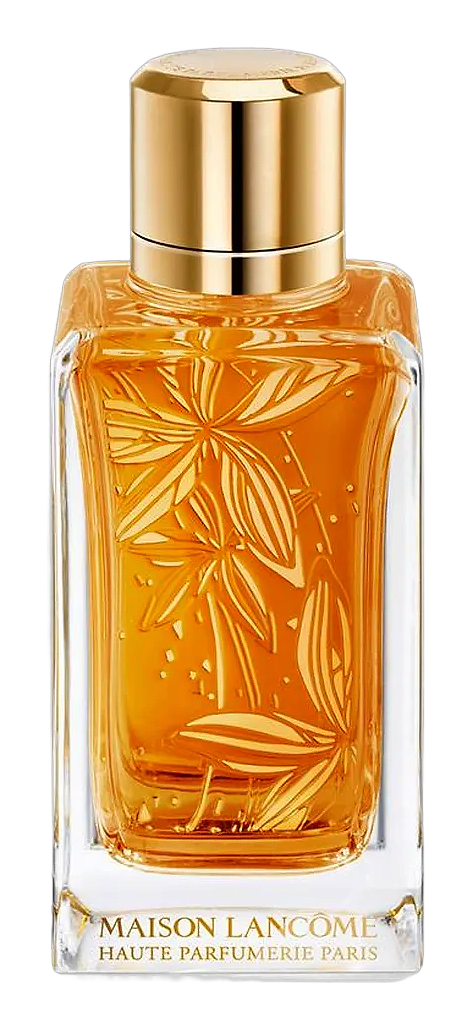
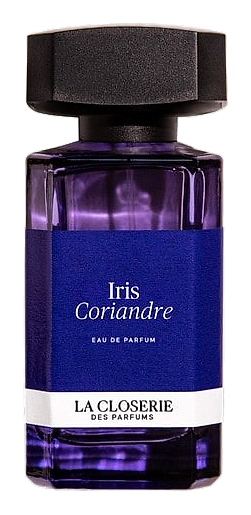
Iris Coriandre began with a question: what if the most delicate note in perfumery got a little rough around the edges? Laure-Emmanuelle Hermay built this around a pairing that seems almost contradictory, the dusty, cerebral powder of iris against coriander's green, almost medicinal sharpness. It's an odd couple that somehow works.
Iris is patience. The rhizome needs years to develop its signature powder, and that depth shows in the final scent. Here it's paired with coriander, which most houses bury or discard entirely. Hermay lets it speak, creating a tension that keeps the fragrance from settling into something predictable. Osmanthus adds a quiet apricot sweetness, giving the green herbs something to soften against.
The evolution
Coriander hits first, sharp, green, polarizing. On some skin, that opening can read almost petroleum-like, a sharp green that requires patience. Within minutes, iris arrives: soft, powdery, like crushed violet petals. The coriander doesn't disappear but mutes, becomes part of the background. By the mid-stage, violet and osmanthus take over, the fragrance shifting from green to floral. The drydown is where this lives: sandalwood, tonka bean, vanilla, and a whisper of carrot seed that gives the base an earthy, slightly mineral quality. What remains on the skin hours later is a warm, powdery embrace, the kind you find in the crease of an elbow, intimate and close.
Cultural impact
Iris Coriandre arrived in 2022 as a calculated provocation within the powdery floral category. The coriander note divides opinion, a bold move in a genre that tends toward safety. The house's garden-inspired philosophy shows in how the fragrance progresses: something green and unexpected softening into something warm and lasting.