The Story
Why it exists.
The beginning
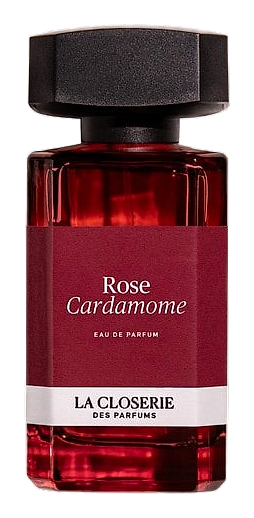
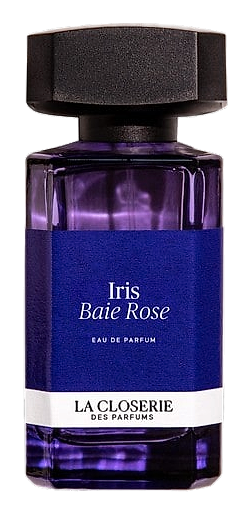
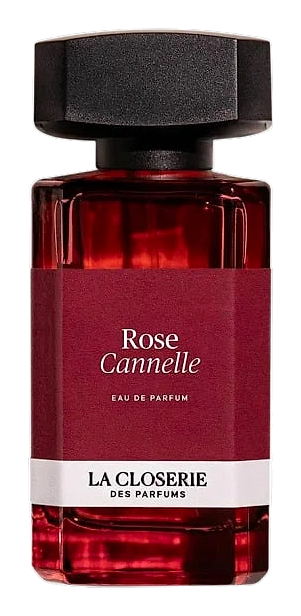
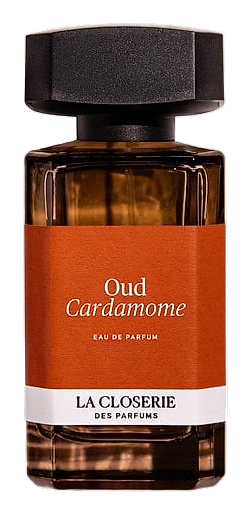
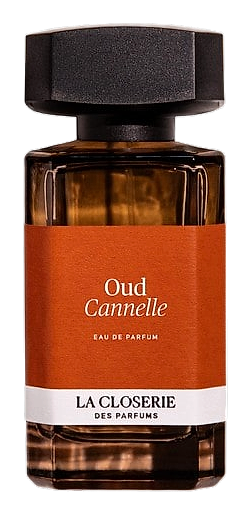
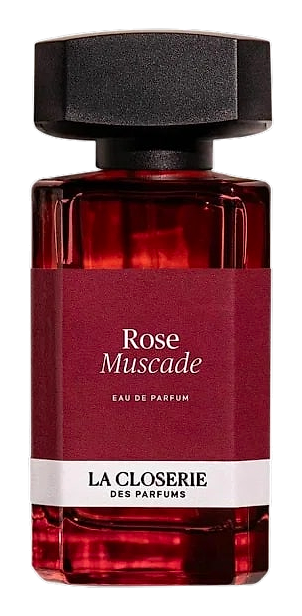
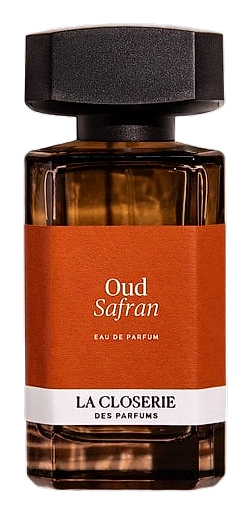
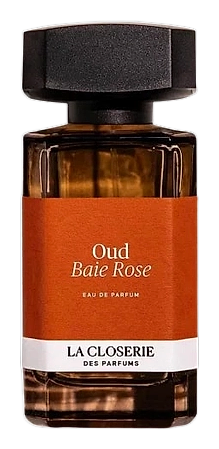
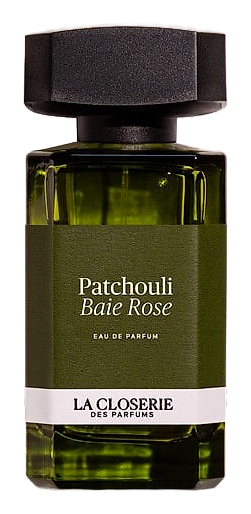
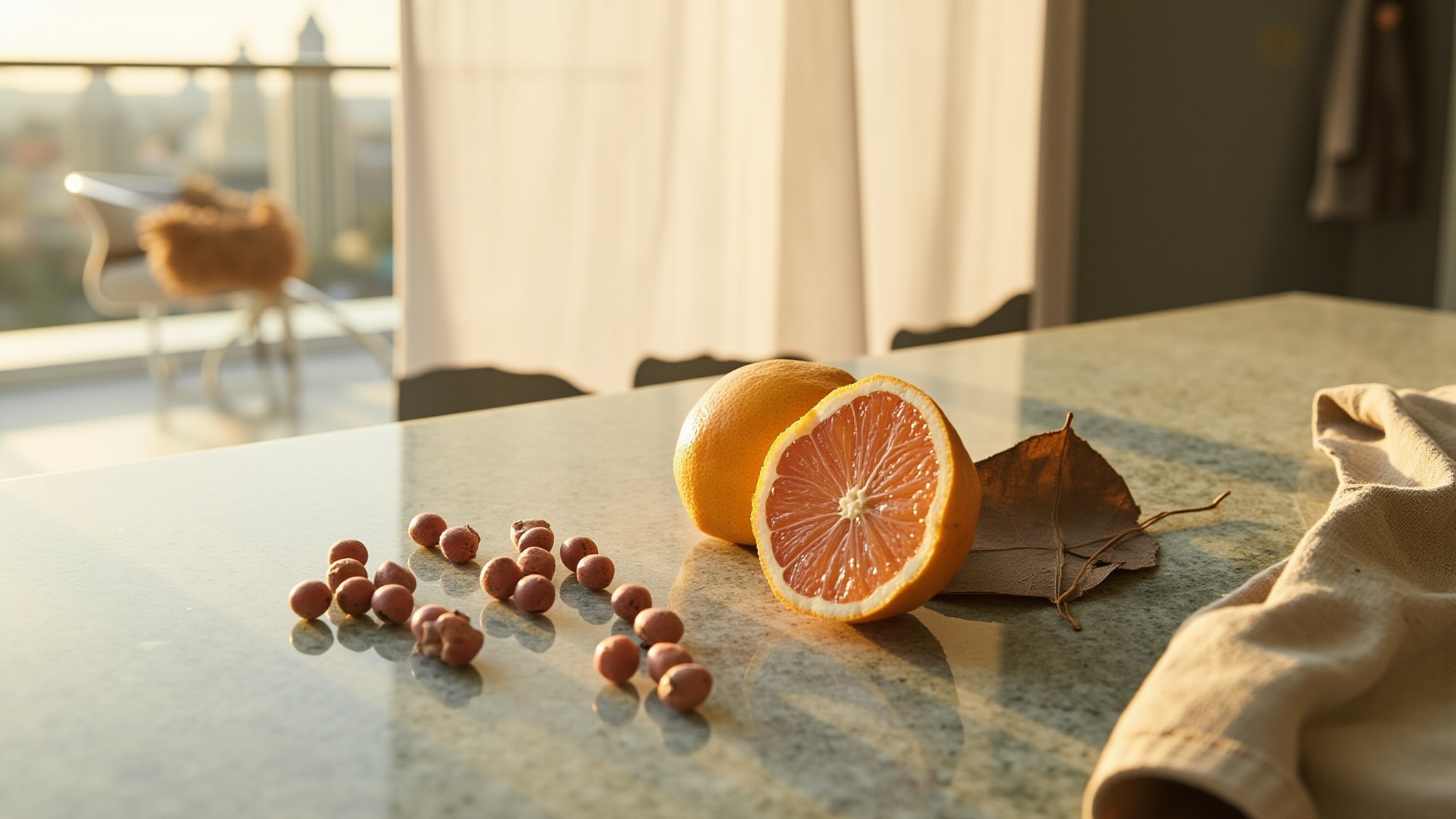
Patchouli Baie Rose arrived in 2021 from Corinne Cachen, built on a single provocation: what if patchouli didn't have to be heavy? The house has a pattern, single botanical themes, treated as a lens rather than a destination. Oud Cardamome. Rose Muscade. Patchouli Baie Rose follows the same logic. Here the lens is patchouli, but the treatment is citrus-forward, green, almost luminous. Bergamot, ginger, pink peppercorn, these are the materials that keep the patchouli from settling into something dark or dense. Baie rose is wild rose, the kind that climbs garden walls without permission, thorny and persistent and unexpectedly delicate. That's the fragrance in one image.
The combination of elemi resin and tea leaf is doing something unusual here. Elemi resin has a citrusy-resinous quality that bridges the top and heart, while tea leaf brings a cool, slightly bitter greenness that prevents the spices from becoming warm or heavy. Together they create a passage between the bright citrus opening and the earthy patchouli base, the fragrance isn't jumping from one register to another, it's flowing through them. The pink peppercorn is the honest surprise: it keeps the whole thing feeling sparkling and awake, even as the base notes arrive and deepen.
The evolution
The first fifteen minutes are all citrus brightness, bergamot and lemon arriving clean, unhesitating. The pink peppercorn shows up within minutes, adding a faint sparkle that lifts the ginger without competing with it. Around the thirty-minute mark, the citruses begin to recede and the heart opens: tea leaf emerges first, cool and green, then cardamom settles in quietly with a soft spice that doesn't assert itself too loudly. This is the fragrance's most interesting phase, the moment when it could go warm or go cool and chooses neither, just hovering in that aromatic middle ground. By the second hour, the patchouli arrives in full. Not heavy, not muddy, earthy, grounded, slightly sweet in the way good patchouli can be. Musk underneath keeps it soft. The drydown holds for hours: a quiet, close, slightly green-woody warmth that stays on skin and fabric long after the opening has faded. On clothes, it can be detected the next morning, not loud, but present. That's the tell. This one lingers.
Cultural impact
The fragrance has built a dedicated following among reviewers who track fresh patchouli as a category. Consistent comparisons place it alongside the more established references in the genre, writers consistently call it a favorite fresh patch, noting that it handles the tea and green notes in a way that keeps the composition from becoming medicinal or overly sharp. Spring and daytime wear dominate reported usage patterns, with a notable number of writers noting it as an upgrade from other fresh patch options in their collection.
The House
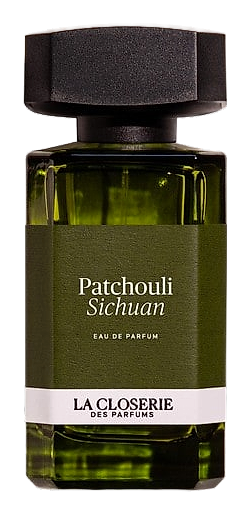
La Closerie des ParfumsLa Closerie des Parfums is a French niche perfume house that draws its identity from the quiet elegance of Parisian walled gardens. Founded in 1972 by brothers Antoine and Hervé Madrid, the house began by supplying fragrances to the American market. After three decades, their daughter Valérie Madrid revived the label in 2019 with a collection that emphasizes noble ingredients and a garden‑inspired narrative. The brand releases a modest number of scents each year, each built around a single botanical or spice theme, such as Oud Cardamome (2019) or Patchouli Sichuan (2022). Its bottles are understated, allowing the scent story to take centre stage.
The Creator
Corinne CachenCorinne favors natural absolutes and transparent synthetics that mimic nature’s own chemistry. She often reaches for rose otto, jasmine absolute, and fine woods such as cedar and sandalwood, pairing them with soft musks that linger without cloying.