The Story
Why it exists.
The beginning
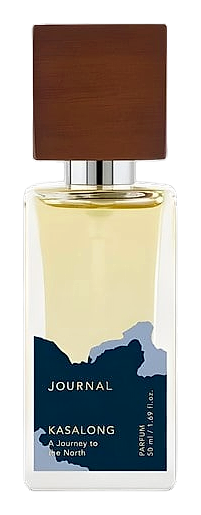
Kasalong draws its name from a Thai word, though sources don't spell out the etymology or its ceremonial ties. Journal released it in 2021 as part of a house with Thai heritage inspiration running through the line. Where the bottle becomes interesting is in how it frames its materials: this is a composition that treats its white florals as the main subject rather than supporting players. The juice leans on frangipani, tuberose, jasmine, and champaca flower, then sets them against a backdrop of agarwood, cork, incense, beeswax, pink pepper, orris, saffron, white grapefruit, and benzoin. That's a serious roster, the kind of layering that rewards a second wear.
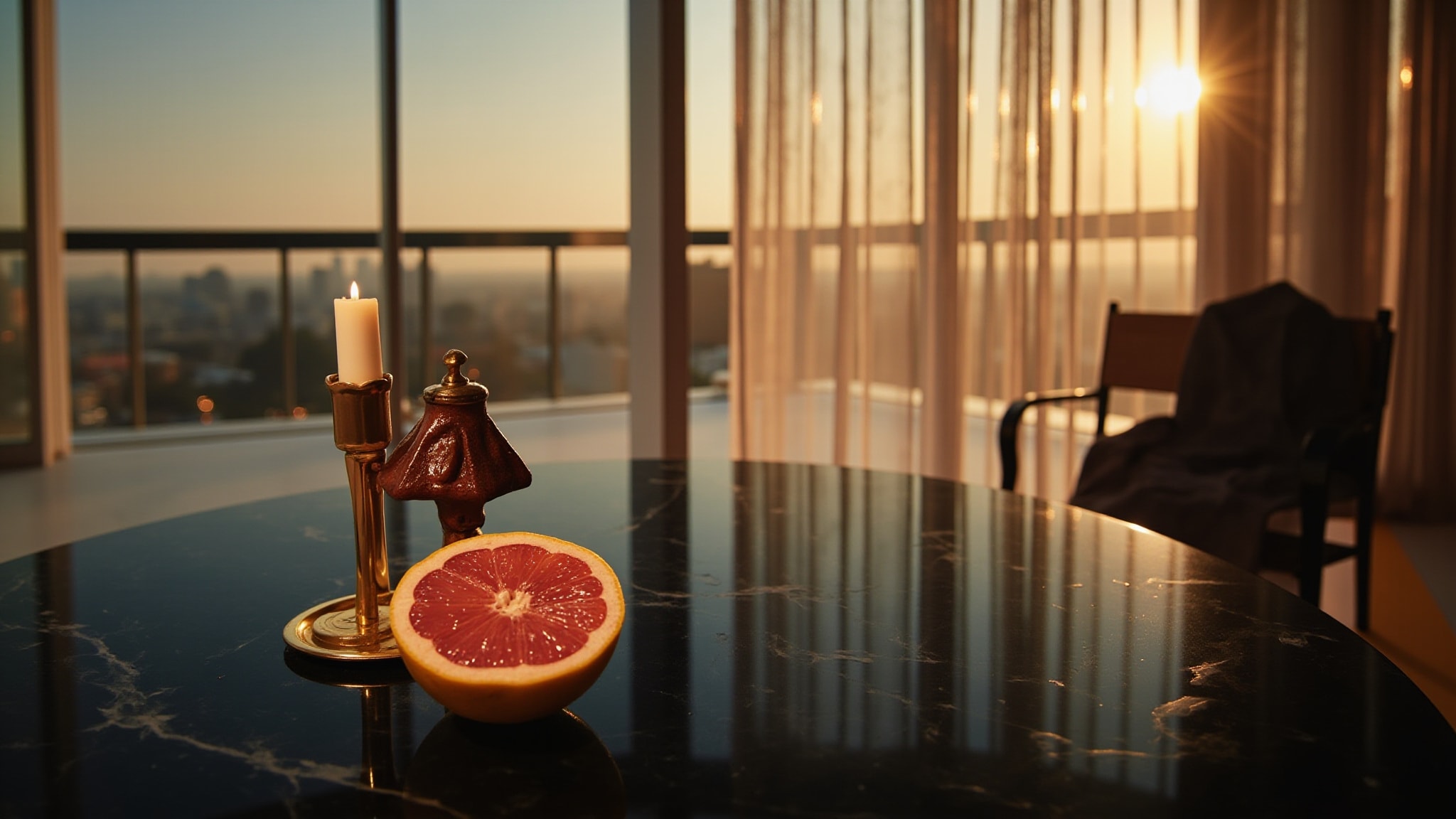
What makes Kasalong structurally interesting is the early collision between tropical florals and smoke. Frangipani and tuberose are sweet, almost fleshy on their own, but here they meet cork, incense, and agarwood before the heart even opens. The beeswax adds a candlelit warmth, like wax pooling on a brass holder, while pink pepper keeps the brightness alive. Champaca flower brings a fruity, almost banana-like edge to the white floral bouquet, giving the blend a ripe sweetness that cuts through the heavier smoke notes.
The evolution
The first ten minutes are loud. Jasmine and frangipani land hard, sun-warm and almost greasy, the kind of white floral density that announces itself before you've left the bathroom. Cork and orris give it a dry, papery edge that keeps the sweetness from going syrupy. Then the heart pivots. Champaca and beeswax arrive together, wax pooling into petals, and the whole composition tilts from tropical to sacred. White grapefruit cuts through with a clean bitterness that lifts everything for about an hour. Pink pepper flickers underneath like static. The drydown is where this earns its reputation. Oud, incense, benzoin, and saffron settle into a dense, smoky warmth that reads less like a fragrance and more like the air inside a wooden temple at dusk. The oud keeps its smoky edge for hours before softening into a quieter, almost skin-like hum.
Cultural impact
Kasalong by Journal entered the fragrance conversation as part of a Thai-heritage-inspired line and earned attention for the way it built its structure around white florals and smoke rather than chasing the usual fresh or gourmand routes. The composition leans on jasmine, frangipani, tuberose, and champaca as primary materials, then grounds them with agarwood, cork, incense, and beeswax, which gives the scent its distinctive dry, tactile quality. The orris root and cork in particular read as unusual choices, lending a papery, almost architectural dryness to a floral-heavy blend.