The Story
Why it exists.
The beginning
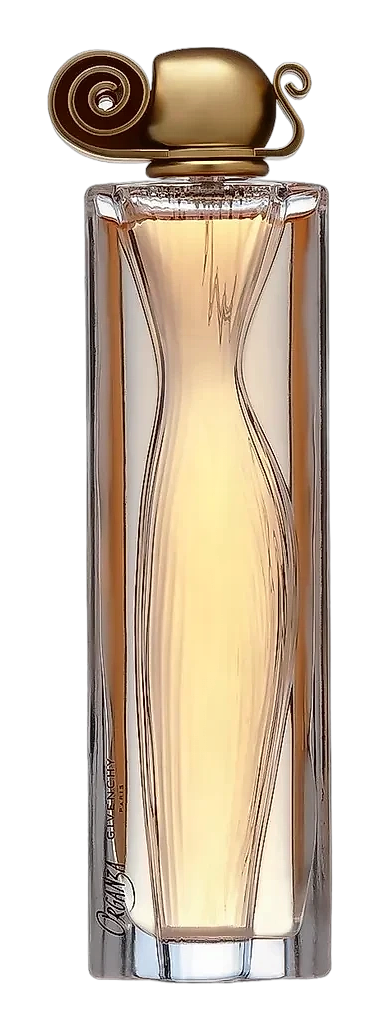
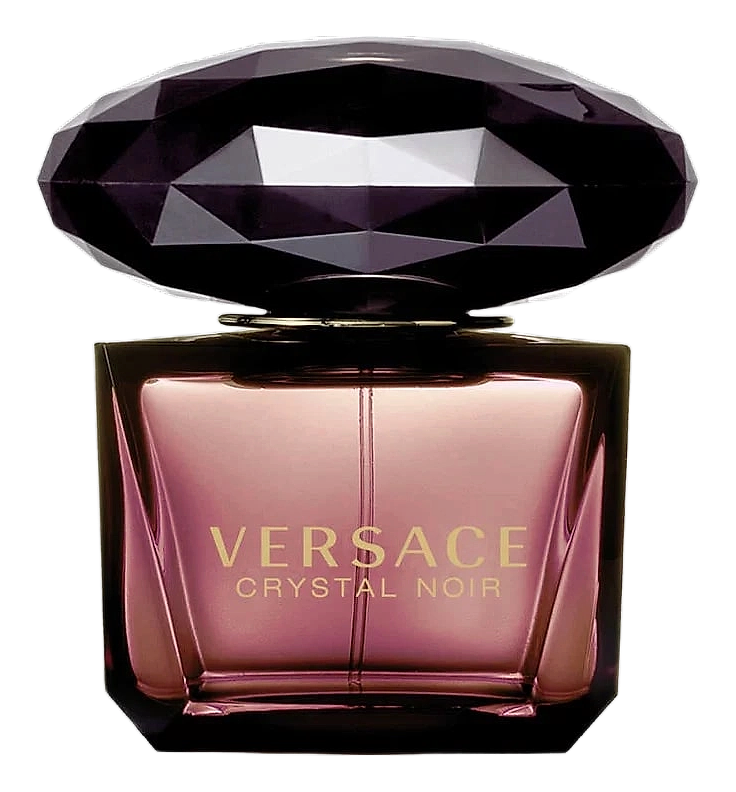
Following the 2008 debut of the John Galliano eau de parfum, the house released an eau de toilette version. Aurélien Guichard composed this lighter interpretation, retaining the rose-centered structure of the original while softening it for daytime wear. The EDP had established itself as a floral-aldehydic composition, and the EDT emerged as its gentler counterpart. The flacon echoes the original's gown-inspired silhouette, this time rendered in transparent glass to reveal pale pink juice inside, finished with the signature golden rose ornament at the neck.
What makes this composition worth a second look is its restraint. Tincture of rose sits at the center rather than rose absolute or a reconstructed accord, which gives the florality a natural depth and authenticity that reads more intimate than ornamental. Iris brings the powder, contributing a soft, suede-like quality that gives the composition its texture and lift. Oakmoss grounds the whole thing in something earthy and old-school, lending an almost mossy dampness that anchors the airy florals in something tangible and rooted.
The evolution
The first hour belongs almost entirely to the rose tincture, which blooms bright and slightly wine-dark on skin before settling into a more natural, petal-like softness. Iris enters early, dusting everything with that unmistakable violet-powder softness, creating a hazy floral cloud that softens and warms as the minutes pass. By the two-hour mark, the oakmoss has crept up from below, turning the composition earthier, less floral and more forest-floor in character. The cedar arrives last, dry and slightly sharp, creating a woody spine that carries the drydown through the late hours. What surprises is how the iris never truly fades; it just changes partners, moving from rose to moss to wood like a socialite shifting between conversations.
Cultural impact
The eau de toilette occupies a distinct position within floral-powdery compositions that lean toward vintage sensibilities. Wearers gravitate toward it for daytime occasions, professional settings, and moments that call for something softer than the original parfum. Its rose-iris-oakmoss triangle places it in conversation with classic French floral perfumery, though the oakmoss anchoring lends a chypre sensibility that distinguishes it from purely soliflore or bouquet-style fragrances. The composition reads as deliberate and constructed rather than accidental, appealing to those who appreciate restraint and traditional perfumery values.