
The Story
Why it exists.
The beginning
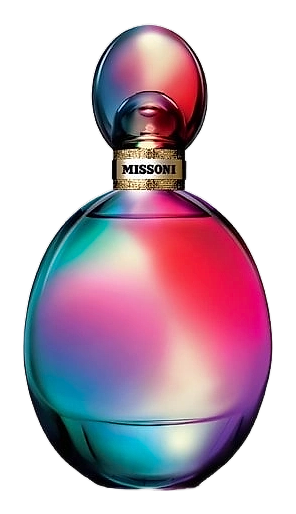
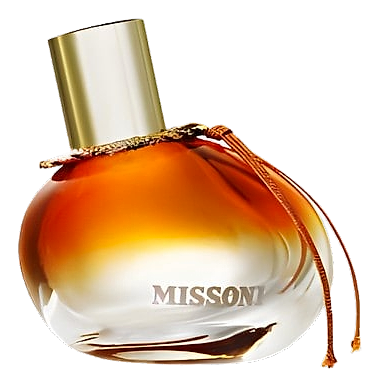
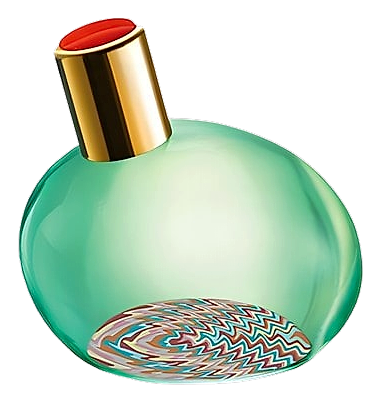
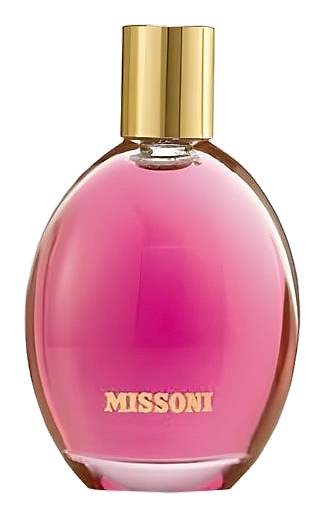
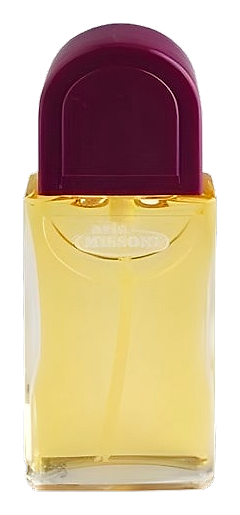
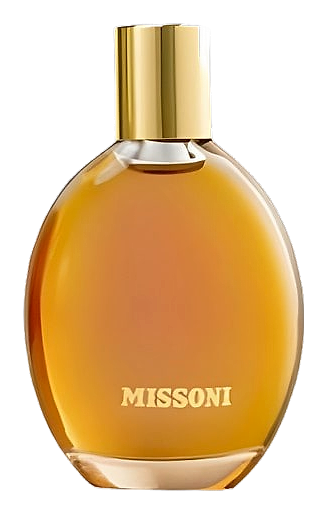
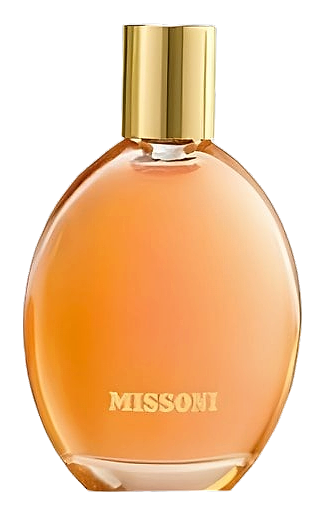
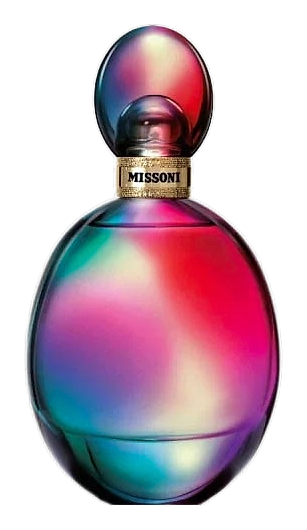
Quentin Bisch designed Missoni as a fragrance meant to embody the spirit of the brand. Missoni is known for its zigzag patterns and vivid color, for treating fabric as art. The fragrance needed to carry that same energy: confident, colorful, unmistakably Italian. No pretense. No heavy metaphors. Just the house's particular ease, a certain warmth, a boldness that reads as natural. The composition opens with bright citrus, moving into a heart where floral notes interweave without becoming heavy or overwrought. The dry down settles into clean, woody territory that feels current and refined. Italian summer isn't a destination here. It's a state of mind. The blend manages to feel both sunny and restrained, capturing a certain Italian ease that never overwhelms.
The note structure reads simply on paper: blood orange, Nashi pear, pink pepper, peony, freesia, rose water. Nothing rare. Nothing challenging. What makes it interesting is the execution. Rosyfolia, the Givaudan captive, adds a rosy nuance that works alongside the peony and rose water, giving the floral heart a particular character. The base, Georgywood plus white cedar, settles into clean, woody territory rather than anything heavy. The drydown has a contemporary quality to it, dry and refined without being cold.
The evolution
The opening hits tart and bright. Blood orange straight from the peel, pink pepper providing an element of spice that lifts the citrus and keeps it from feeling flat. The Nashi pear arrives with a watery quality, the aquatic note adding coolness without contributing weight. Then the citrus softens. Not dramatically, not all at once. It gradually recedes, making space for what comes next. Fifteen minutes in, the florals take over. Peony and freesia become more prominent, with a translucent quality that feels light and airy. Rose water adds a dewy, slightly humid note that rounds out the floral heart. Heliotrope contributes a subtle powdery element, lighter than the heavy powder sometimes found in older fragrances. The powder here reads as clean rather than heavy. The base arrives quietly. The florals recede to a whisper.
Cultural impact
Missoni EDT is an easy wear, not challenging, not avant-garde, but well-constructed enough to reward attention. The use of Rosyfolia and Georgywood gives it a designed quality, a sense of intentionality in the composition. It occupies comfortable territory, the kind of scent that feels considered rather than generic. The blend balances bright opening notes with a softer floral heart and a clean, woody base. It has enough complexity to be interesting without demanding active engagement from the wearer. The overall effect is pleasant and refined, suitable for everyday wear while still having enough character to stand apart.
The House
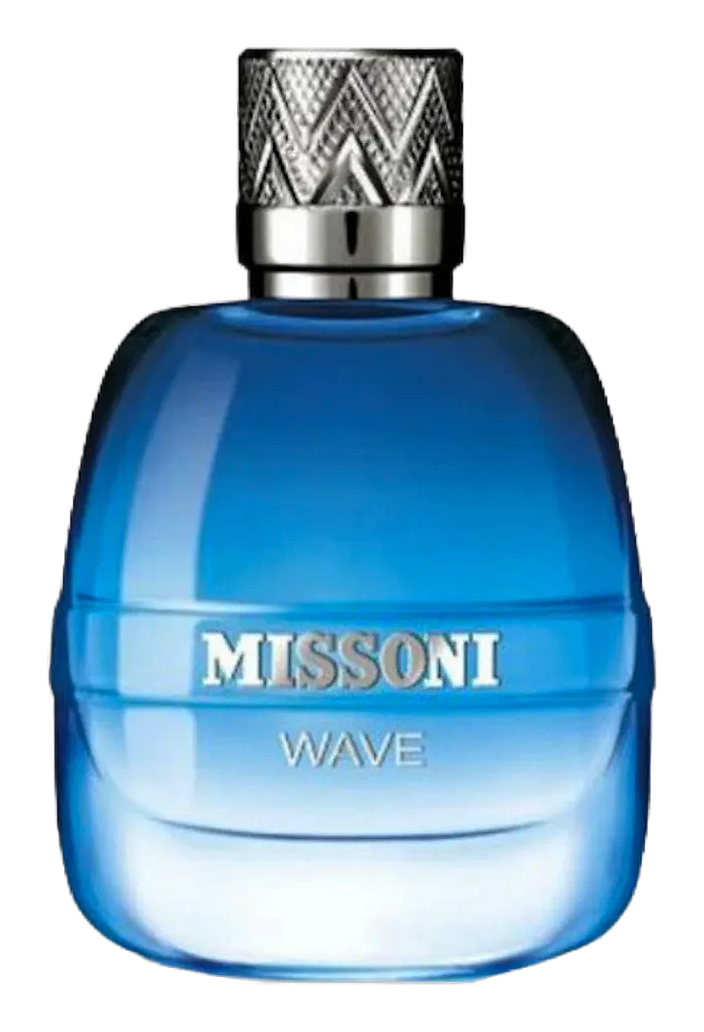
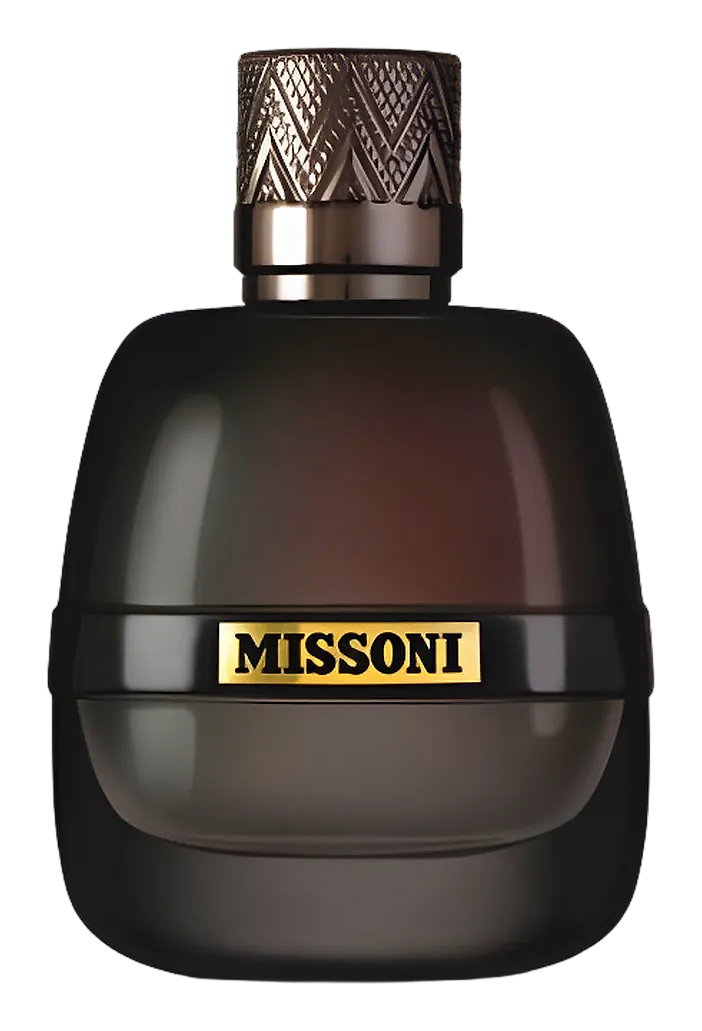
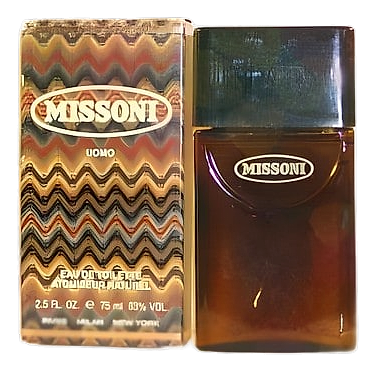
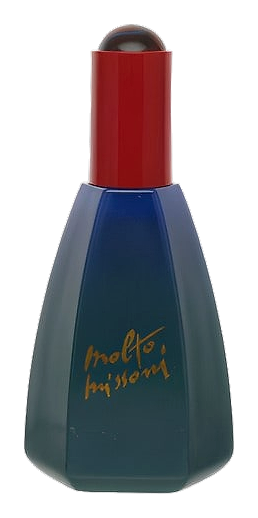
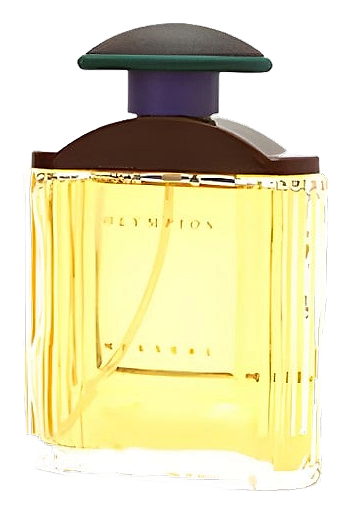
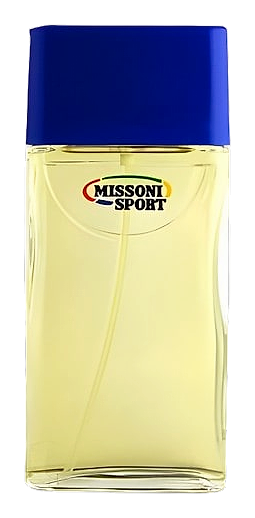
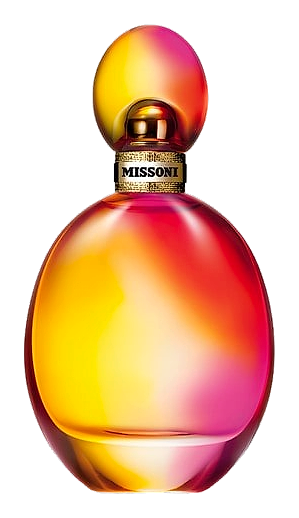
MissoniMissoni is an Italian fashion house established in 1953 by Ottavio and Rosita Missoni, renowned for distinctive knitwear characterized by vibrant colors and geometric zigzag patterns. The brand extended into fragrance in 1981 with its first perfume created by perfumer Maurice Roucel, later followed by releases including Aria Missoni (1987), Molto Missoni (1990), Missoni Sport (1990), Noi Missoni (1993), and Olympios (1994). The 2006 women's fragrance brought back Roucel alongside Trudi Loren as co-creator. Subsequent releases like Missoni Colori (2008) featuring Missoni Rosa and Missoni Gianduia, Missoni Parfum Pour Homme (2017), and Missoni Wave (2020) demonstrate the house's sustained engagement with perfumery as a natural extension of its fashion identity.
The Creator
Quentin BischBisch's style often leans toward the opulent and intense. Many of his creations feature a generous use of musks and woody ambers, creating a warm and enveloping effect.