Rosyfolia
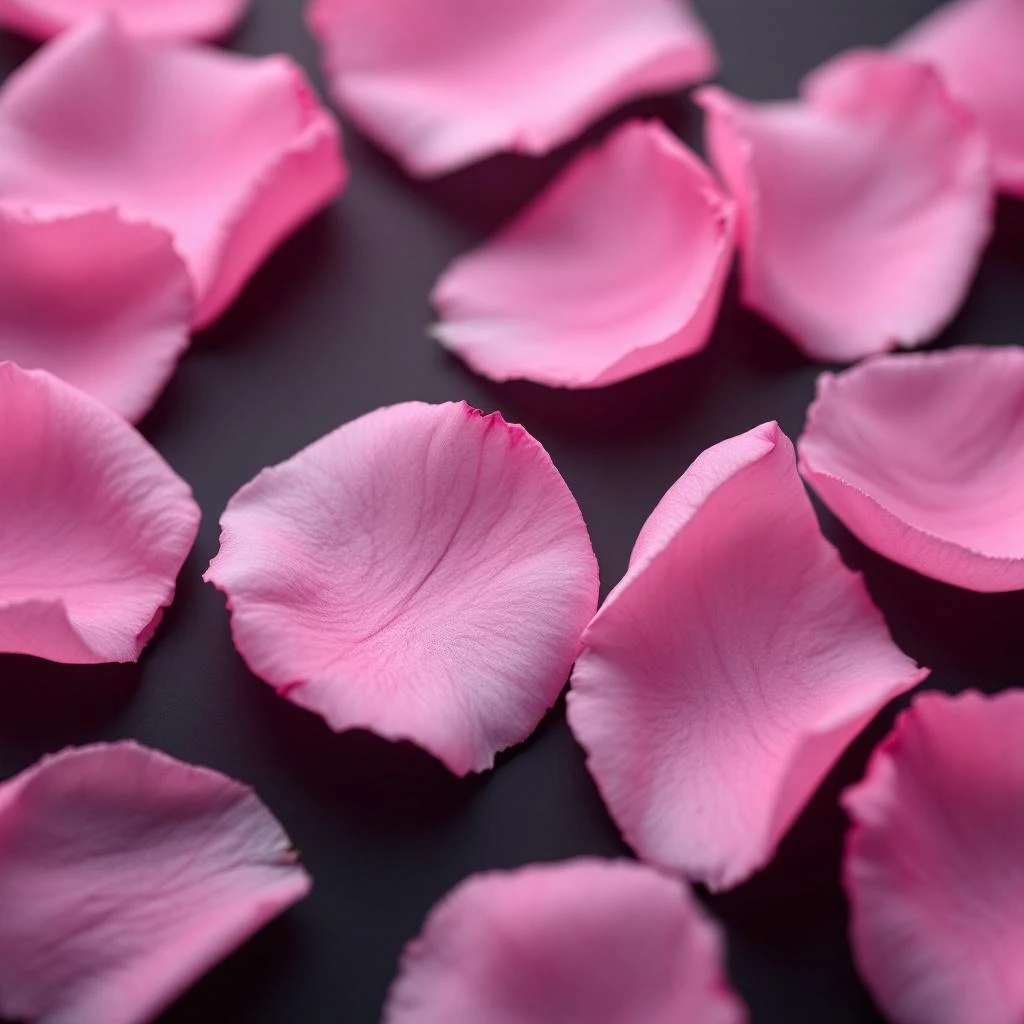
Rosyfolia® captures the dewy freshness of rose petals at dawn—a reconstructed botanical impression blending rose's most ethereal facets into a singular, luminous floral note.

Character
How it smells
A luminous rose reimagined through modern perfumery.
Rosyfolia® is not a single botanical extract. It is a reconstructed impression built from rose's most delicate aromatic components.



Origin
France
Rose has anchored perfumery since antiquity. Ancient Egyptians used rose essence in cosmetics and religious rituals, but rose distillation as a refined practice evolved in Persia and the Arab world, where rose water and attars became central to both perfumery and medicine. Iran—historically Persia—holds the oldest documented tradition of rose oil production.
By the seventeenth century, the city of Grasse in Provence, France, had become Europe's perfume capital, and rose cultivation there intensified. Two roses dominate the fragrance industry: Rosa damascena, prized for its deep, complex scent and grown primarily in Bulgaria and Turkey, and Rosa centifolia, the "rose de mai" cultivated in Grasse, which requires a labor-intensive multi-step extraction because it yields less essence than damascena. The fantasy note Rosyfolia® draws on this deep well of rose tradition—itself a centuries-long story of cultivation, trade, and craft—while leveraging modern chemistry to isolate and reassemble the most characteristic facets of the rose experience.
The concept reflects how contemporary perfumery honors the past while expanding what a single note can express.
Wears it best
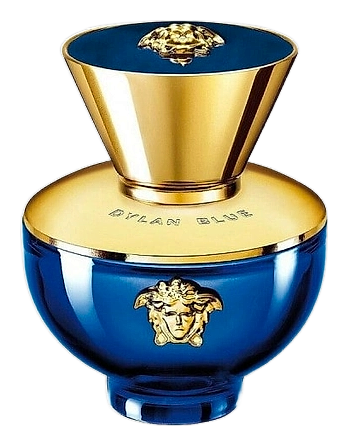
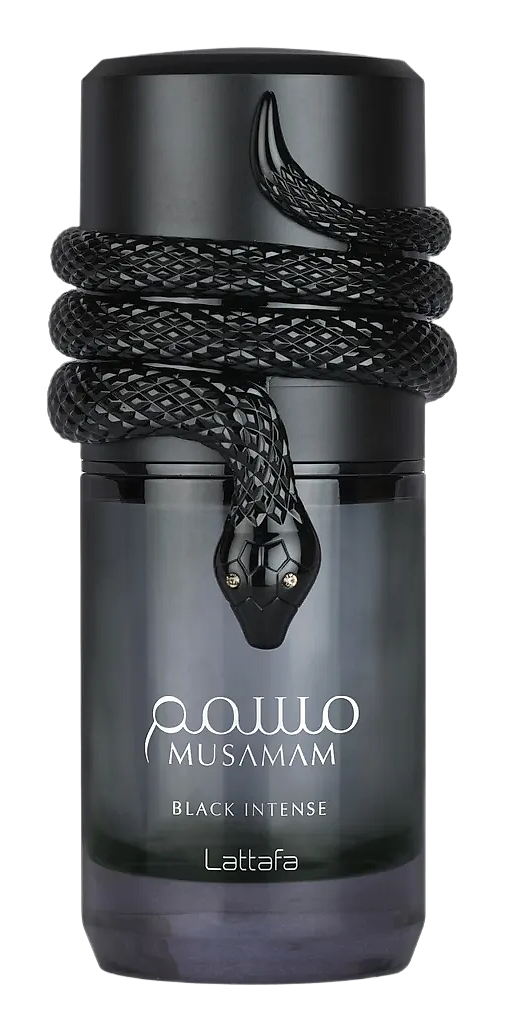
Fragrances featuring Rosyfolia
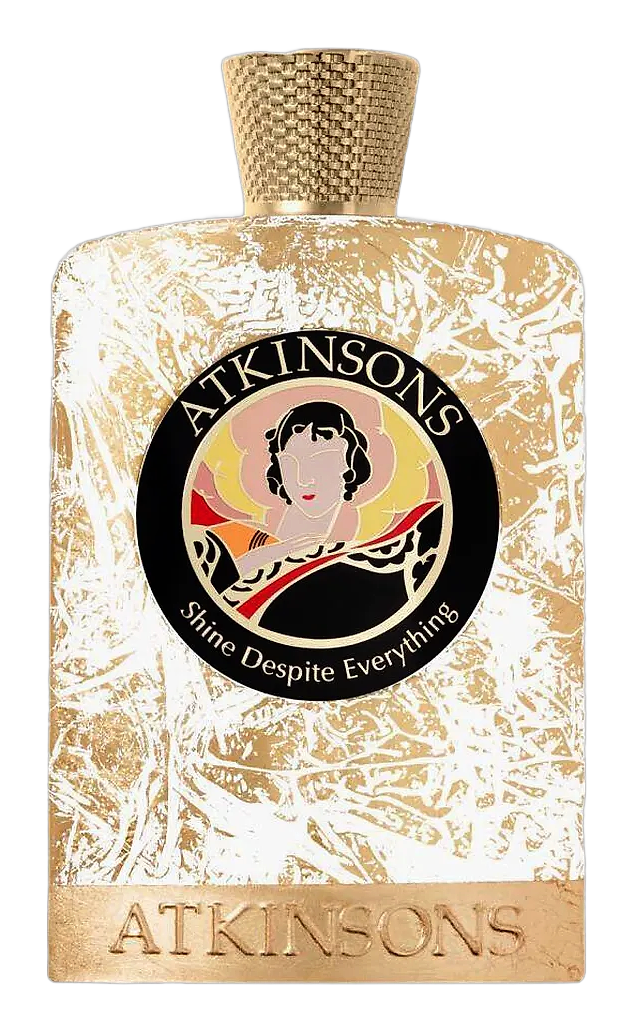
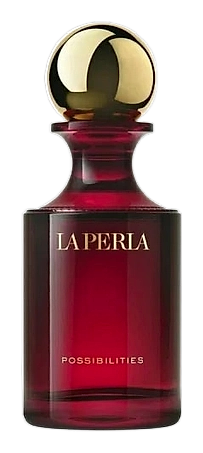
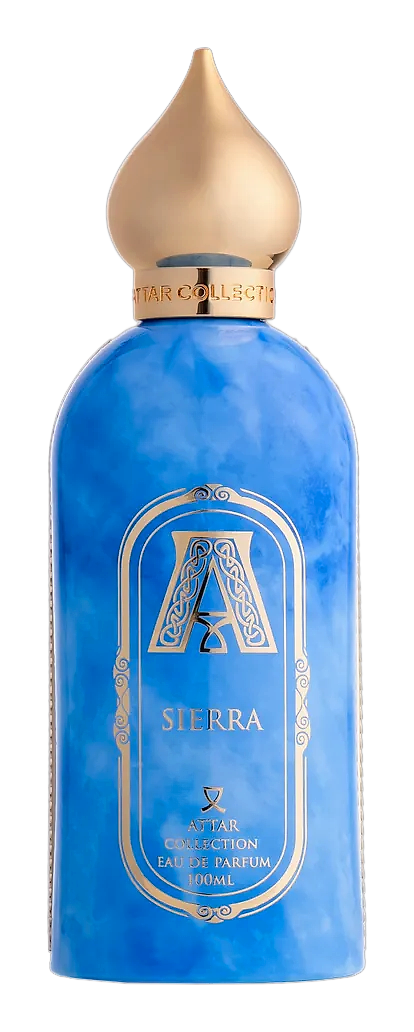
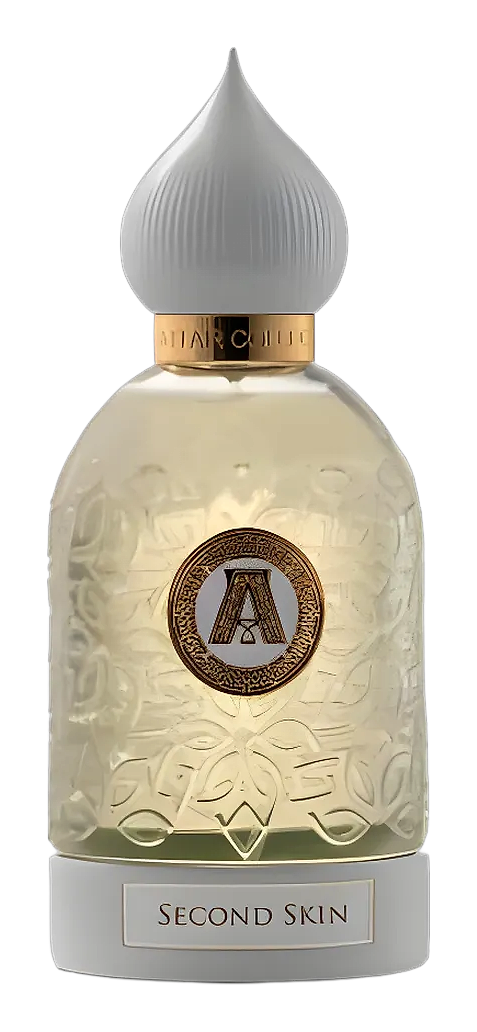
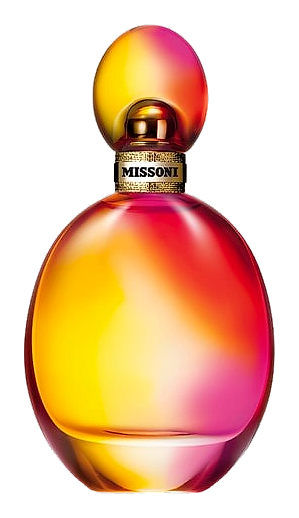
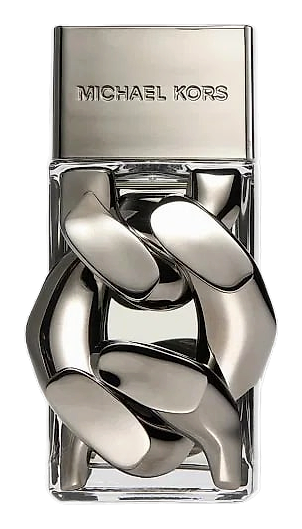
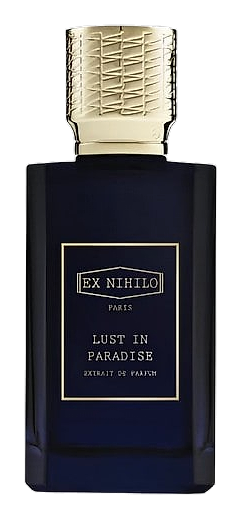
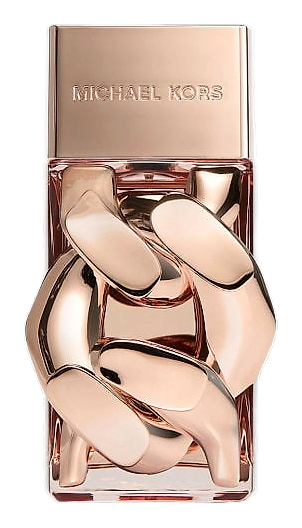
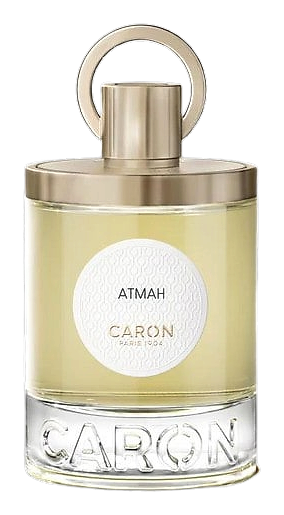
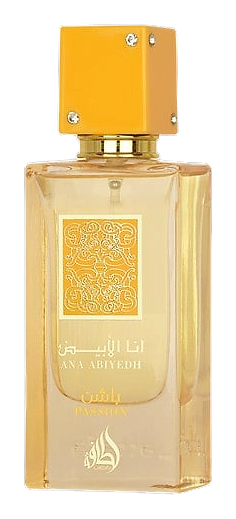
Brands
Brands known for Rosyfolia
Good to know
Questions, answered
The essentials on Rosyfolia in perfumery: how it smells, where it comes from, and how it behaves on skin.
What exactly is Rosyfolia®?
Rosyfolia® is a reconstructed fantasy note. Perfumers build its impression by combining natural rose isolates—individual molecules extracted from rose—with carefully matched synthetic aroma chemicals that reproduce the flower's fresher, greener facets.
Does Rosyfolia® come from real rose petals?
It is not a single rose extract. Instead, it assembles aromatic components sourced from rose and complementary botanicals into a unified rose impression. The result evokes rose without being rose oil itself.
How is Rosyfolia® produced?
Perfumers select specific natural isolates like phenylethyl alcohol and citronellol alongside complementary synthetics. These materials blend to reproduce the dewy, luminous quality of rose at its freshest—something whole extracts sometimes lose during processing.
Is Rosyfolia® a trademarked ingredient?
Yes, the Rosyfolia® name appears in several fragrance families as a concept or fantasy note. It represents a specific olfactory intention rather than a single sourced material.
Where does rose's aromatic tradition originate?
Rose oil production traces to ancient Persia, now Iran, where distillation techniques refined over centuries. The methods spread to Bulgaria, Turkey, and eventually to Grasse, France, which became Europe's leading rose cultivation and perfumery center.
What makes rose de mai different from rose damascena?
Rose centifolia, known as rose de mai, yields less essence than Rosa damascena. It requires a multi-step extraction process rather than simple steam distillation, contributing to its distinctive and more delicate scent profile.
How long has rose been used in perfumery?
Evidence dates rose use in fragrance to ancient Egypt, roughly 3,000 years ago. By the seventeenth century, rose had become one of the most widely used ingredients in European perfumery.
Is Rosyfolia® considered natural or synthetic?
It occupies the space between both. Rosyfolia® combines natural isolates—molecules derived from botanicals—with synthetic materials that complete the reconstructed impression, similar to how modern natural perfumery often layers isolated and created components.