Petalia
A luminous synthetic molecule from Givaudan that brings airy rose and peony softness to modern fragrances. Petalia bridges the gap between delicate florals and fresh fruit, adding brightness that lasts.
Character
How it smells
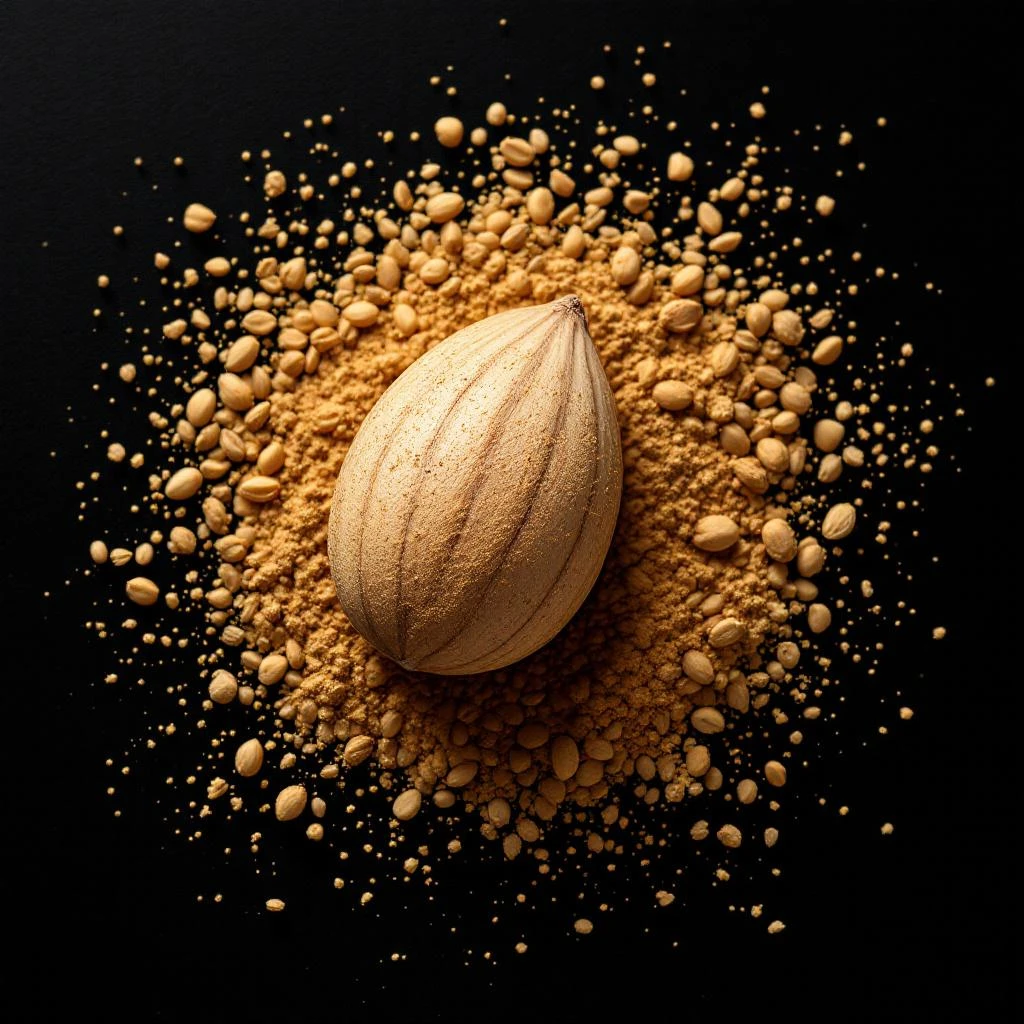
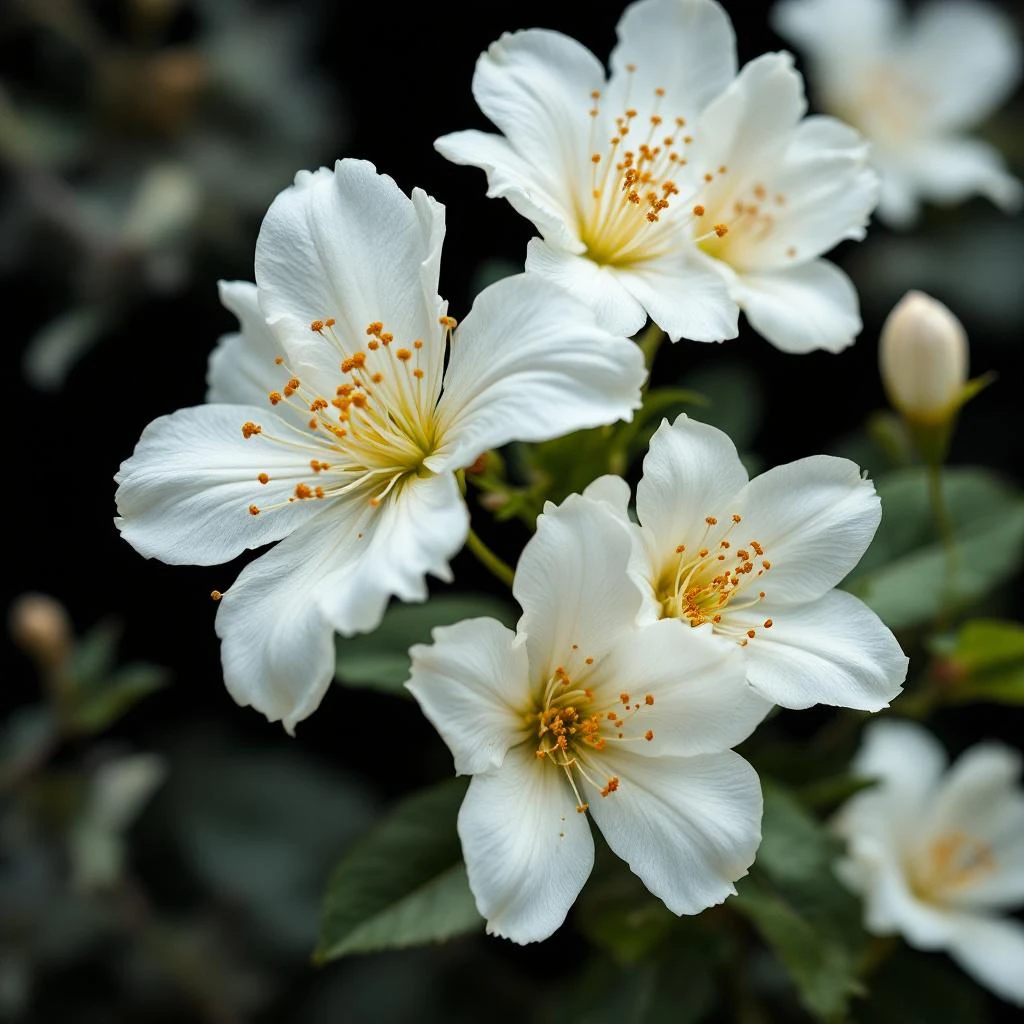
Soft rose with a peony glow
Givaudan developed Petalia as a captive ingredient, meaning its exact chemical structure remains a proprietary secret known only to the house and its clients.






Origin
Switzerland
Petalia emerged from a shift in modern perfumery toward captured ingredients, houses began creating proprietary molecules to differentiate their formulations. Givaudan developed Petalia to address a specific gap: the need for a light floral accent that could bridge soft petals and fruit without dominating a composition. Its introduction coincided with the rise of airy, transparent fragrance styles in the early 2000s.
Since then, Petalia has become a quiet workhorse in feminine and unisex florals, appearing in everything from mass-market releases to niche extraits. Its growing presence reflects perfumery's ongoing dialogue between chemistry and nature, where synthetic ingredients increasingly support and amplify natural materials rather than replace them.
Wears it best
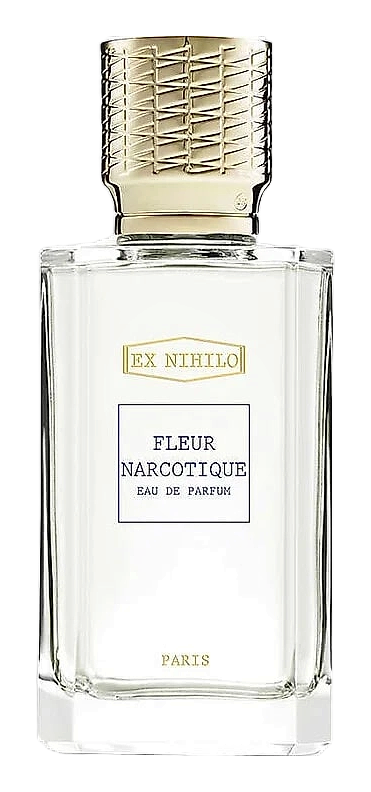
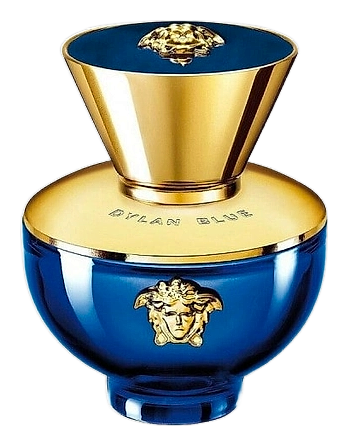
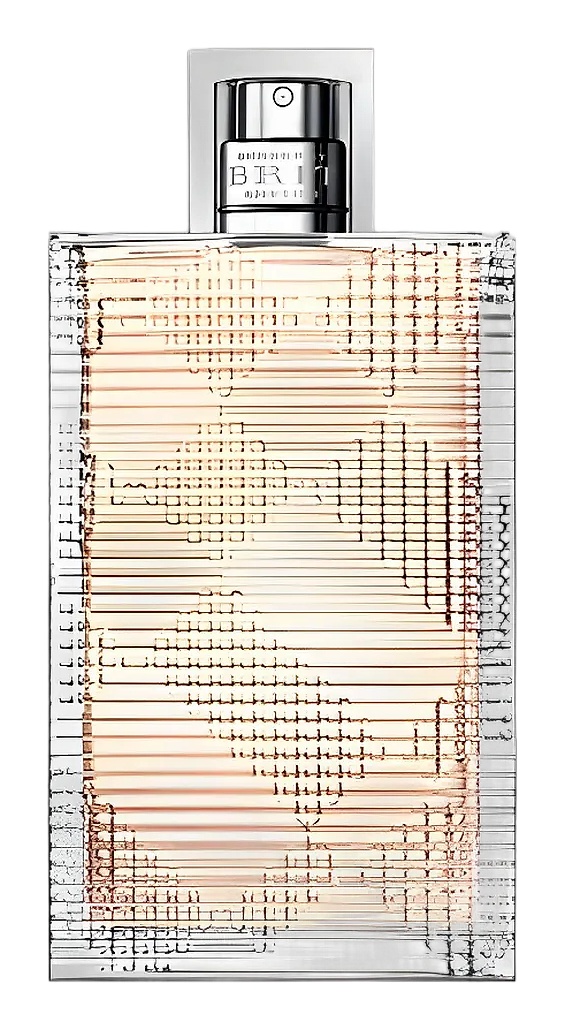
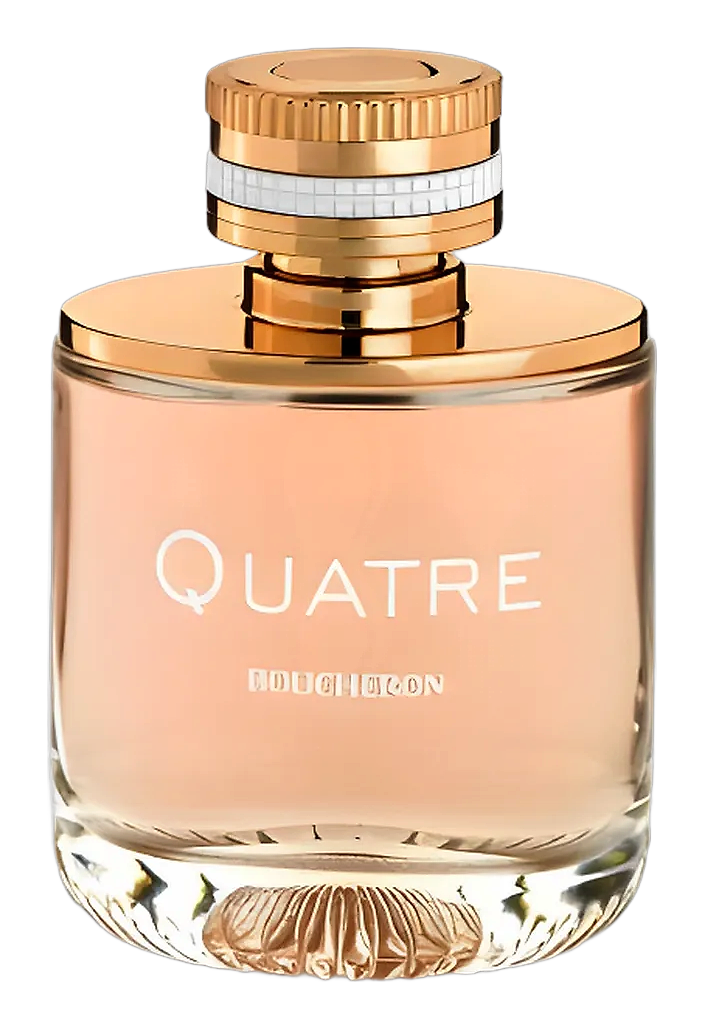
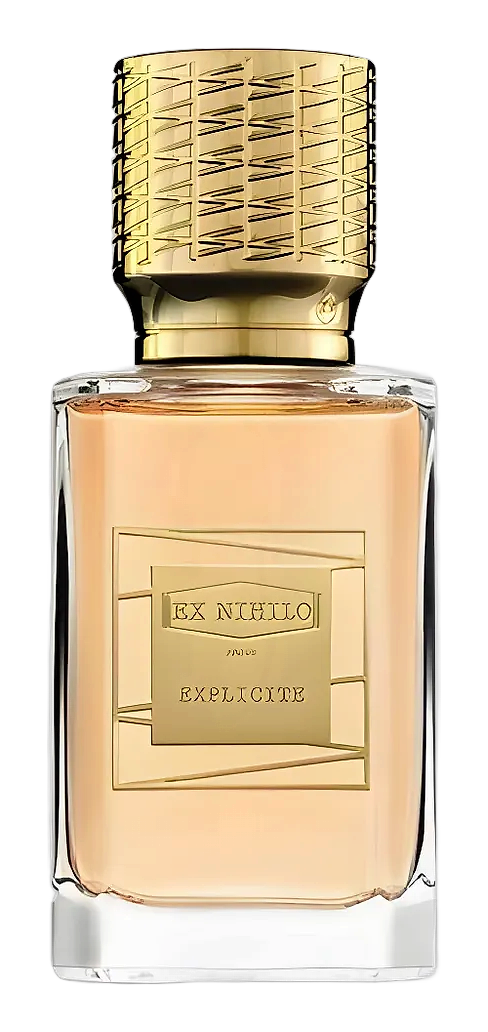
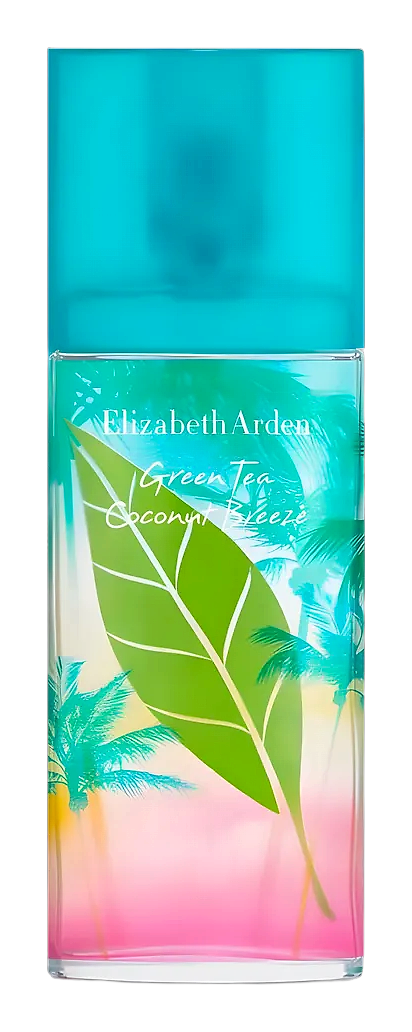
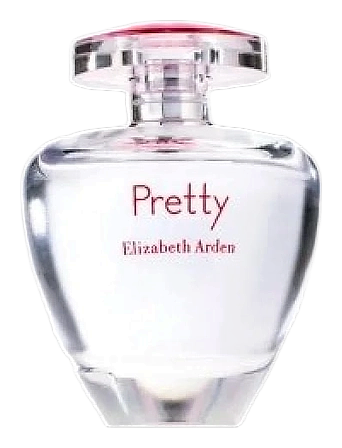
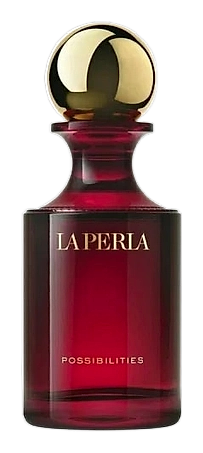
Fragrances featuring Petalia

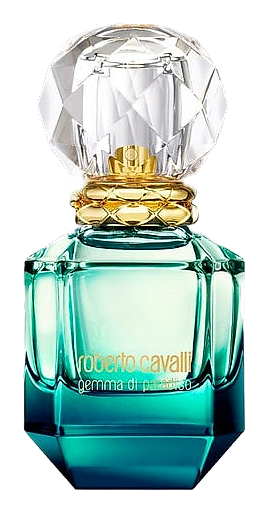
Brands
Brands known for Petalia
Good to know
Questions, answered
The essentials on Petalia in perfumery: how it smells, where it comes from, and how it behaves on skin.
What does Petalia smell like?
Petalia smells like soft rose with lily-of-the-valley freshness and a subtle peony sweetness. It carries a delicate juiciness that keeps the scent airy and luminous rather than heavy or powdery.
Is Petalia natural or synthetic?
Petalia is fully synthetic. Givaudan developed it as a captive molecule, meaning it is only available to perfumers working within the Givaudan house and does not occur in nature.
Which perfumes use Petalia?
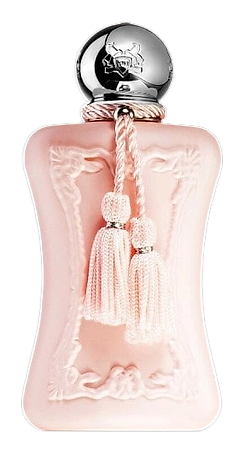
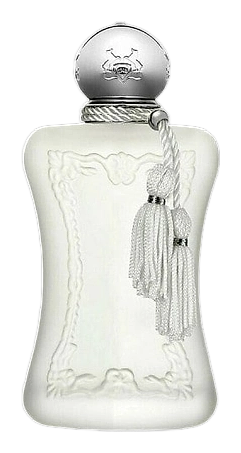
Petalia appears in Calvin Klein Eternity Air for Women, Viktor & Rolf Flowerbomb Nectar, Lancôme Miracle, and Dolce & Gabbana L'Imperatrice. It also shows up in newer releases like Delirious by Spirit of Kings and Cassili by Parfums de Marly.
What fragrance family does Petalia belong to?
Petalia belongs to the floral-fruity family. It adds brightness to top notes and seamlessly bridges florals with fruits like lychee, pear, and red berries in heart compositions.
Can Petalia be used in men's fragrances?
Yes. While often featured in feminine florals, Petalia adapts to unisex and masculine compositions. Its transparent quality blends well with sheer woods, musks, and gentle amber accords popular in gender-neutral perfumery.
How does Petalia compare to natural rose?
Natural rose carries deep, honeyed, and sometimes waxy facets that vary by origin and harvest. Petalia captures only the soft, luminous top of the rose petal, offering consistency and brightness that natural rose alone sometimes cannot sustain in a transparent composition.
Does Petalia last long in a fragrance?
Petalia retains its brightness throughout the fragrance lifecycle. Givaudan designed it to resist rapid evaporation, keeping its floral-fruity character present from the opening through the dry-down.
Why do perfumers choose captive ingredients like Petalia?
Captives offer predictability. Perfumers can build around a known molecule without batch variation, enabling precise control over how a fragrance develops on skin and ensuring consistent quality across production runs.