
The Heritage
The Story of Missoni
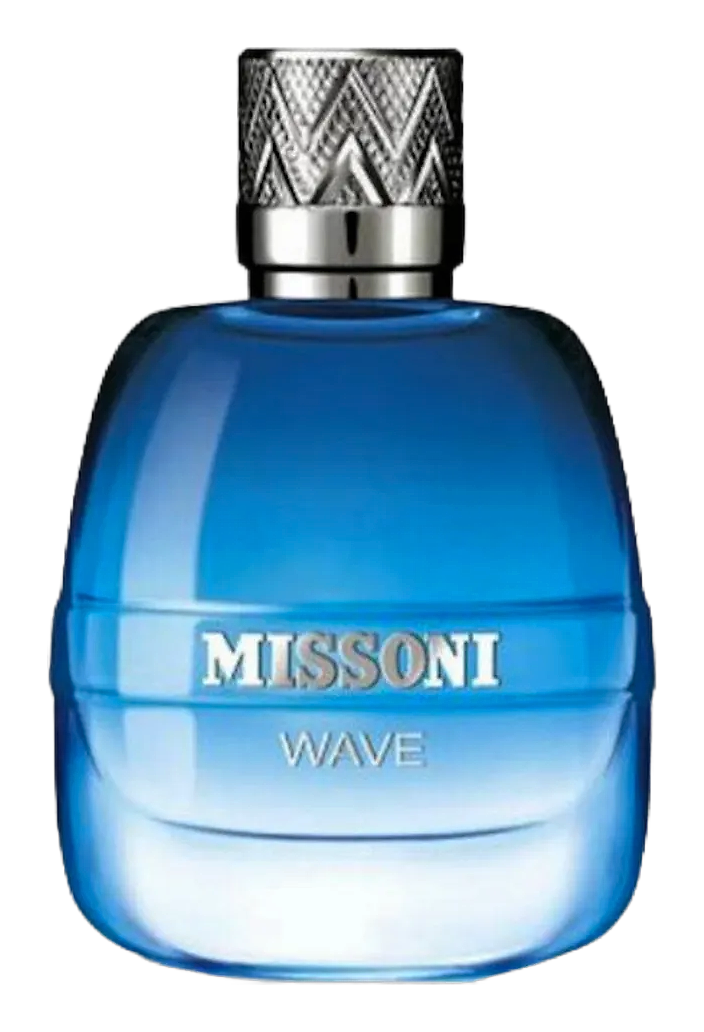
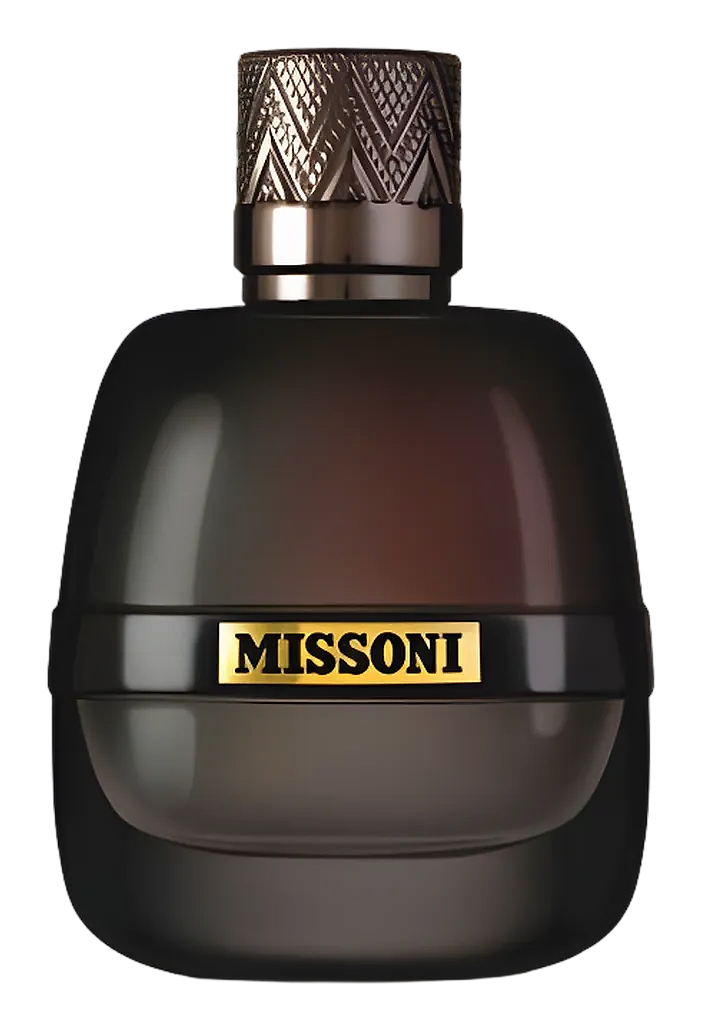
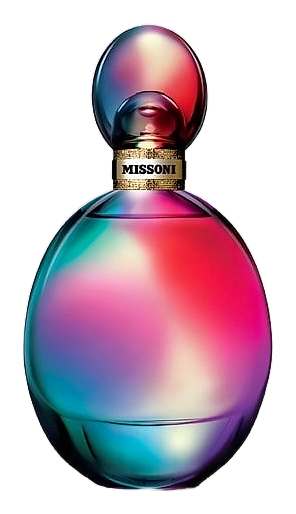
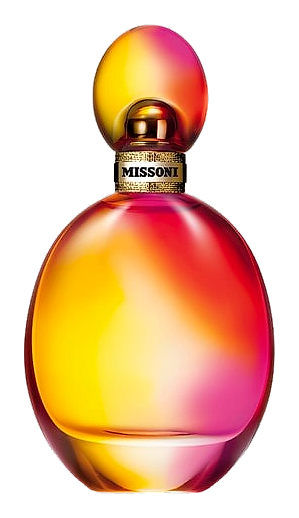
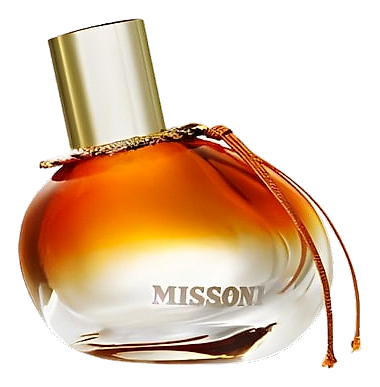
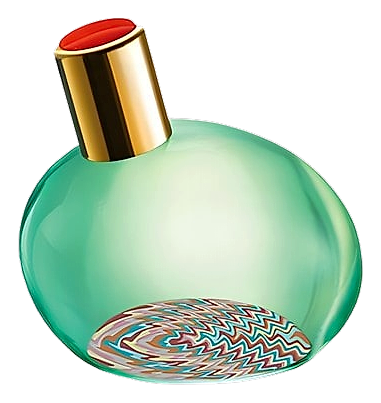
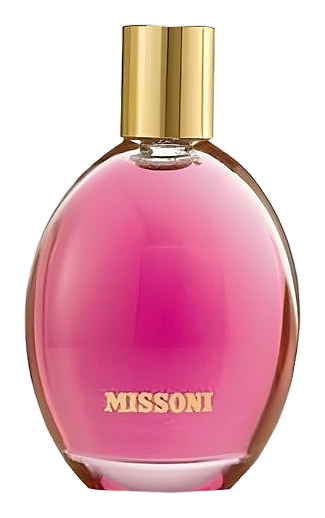
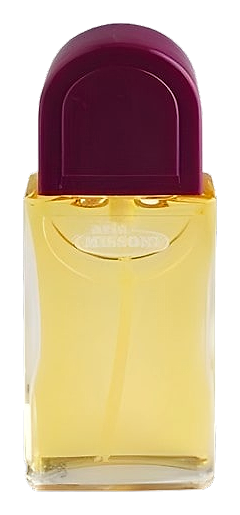
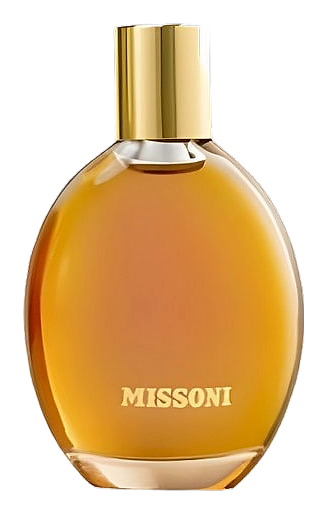
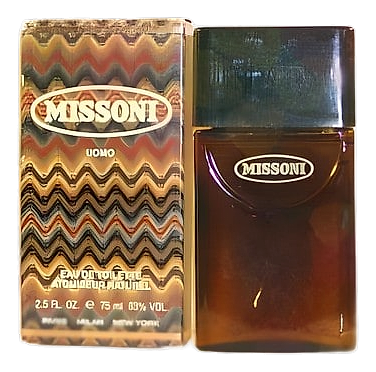
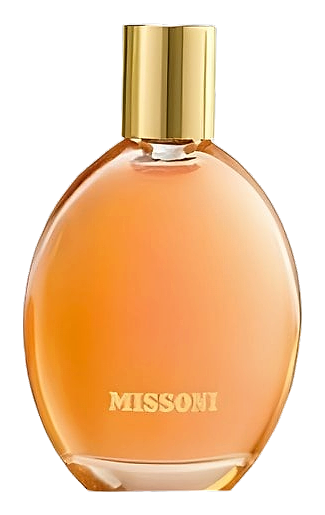
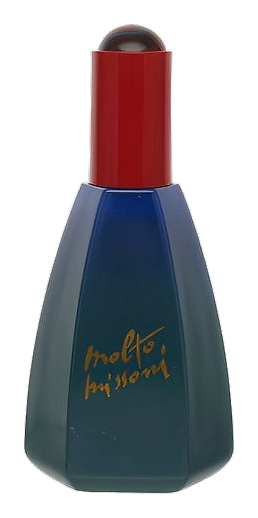
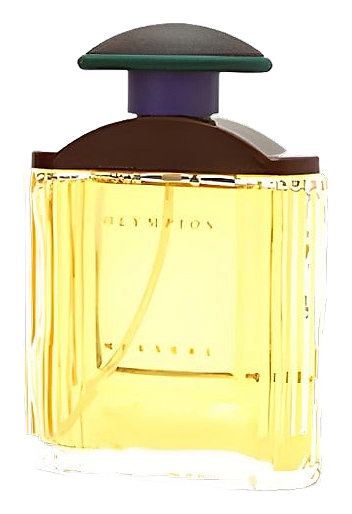
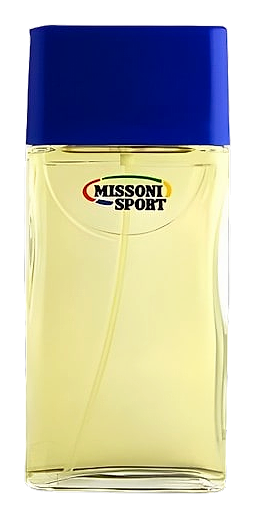
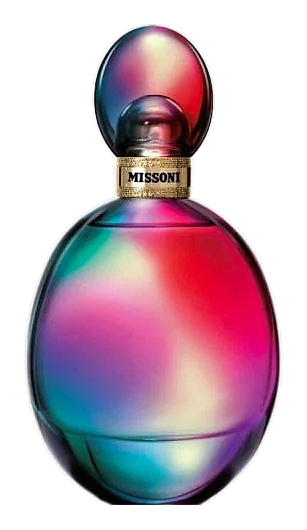
Missoni is an Italian fashion house established in 1953 by Ottavio and Rosita Missoni, renowned for distinctive knitwear characterized by vibrant colors and geometric zigzag patterns. The brand extended into fragrance in 1981 with its first perfume created by perfumer Maurice Roucel, later followed by releases including Aria Missoni (1987), Molto Missoni (1990), Missoni Sport (1990), Noi Missoni (1993), and Olympios (1994). The 2006 women's fragrance brought back Roucel alongside Trudi Loren as co-creator. Subsequent releases like Missoni Colori (2008) featuring Missoni Rosa and Missoni Gianduia, Missoni Parfum Pour Homme (2017), and Missoni Wave (2020) demonstrate the house's sustained engagement with perfumery as a natural extension of its fashion identity.
Heritage
Ottavio Missoni, known as Tai, was born in 1921 in Ragusa (Dalmatia) to a noble family background. After meeting Rosita Donati at a beach resort, the couple married in 1951 and established Missoni in 1953 in the Italian region of Gallarate. Initially focused on swimwear and then evolving into knitwear, the house developed a signature style built on colorful zigzag motifs and innovative textile techniques. The brand quickly gained recognition for treating fabric as an artistic medium rather than simply functional material. As Missoni expanded internationally throughout the 1960s and 1970s, their geometric knitwear became synonymous with Italian ready-to-wear and influenced fashion's relationship with pattern and texture. The company's archive, Archivio Missoni, preserves the brand's extensive history and design heritage. Missoni passed from the founding family, with Vittorio Missoni (son of Tai and Rosita) becoming involved in operations before a 2013 plane disappearance incident affected the company leadership. The brand maintained its position in Italian fashion through periods of industry consolidation, eventually becoming part of a group including the VAM Holdings subsidiary that acquired the company in 2016.
Craftsmanship
The Missoni fragrance collection required development through external manufacturing and licensing arrangements common in fashion perfumery. Each fragrance went through standard industry development processes involving perfumer collaboration, ingredient sourcing for olfactory profiles, and production through specialized fragrance manufacturers. The brand's collaborations with perfumers like Maurice Roucel (first perfume, 1981) and Trudi Loren (2006 women's fragrance) represented the primary creative investment in the fragrance program. Ingredient selection followed fragrance house requirements for specific olfactory characteristics while production standards met industry regulations for consumer products. The house maintained quality oversight through licensing arrangements with Euroitalia and other partners who handled manufacturing and distribution. These partnerships allowed Missoni to leverage external manufacturing expertise while contributing the brand's aesthetic direction and creative vision for each fragrance collection.
Design Language
Missoni fragrances translated the house's signature zigzag patterns and vibrant color palette into the visual language of perfumery. Bottle designs featured the characteristic geometric motifs as recurring elements, with packaging incorporating the bold color combinations established as brand identifiers. The aesthetic consistently referenced the knitwear origins through visual texture and chromatic intensity. Presentation extended the runway identity into retail environments, maintaining recognition across the brand's lifestyle categories. The 2006 women's fragrance launch demonstrated integration between fashion and fragrance marketing, with campaigns connecting the scent to the broader Missoni design universe. Color remained central to fragrance aesthetic strategy, with the Colori collection explicitly celebrating chromatic expression. This visual coherence ensured fragrances functioned as extensions of the fashion house rather than isolated product categories.
Philosophy
Missoni approached fragrance as an extension of its established visual and textile language. The house treated scent as another medium through which to express the characteristic zigzag patterns, vibrant color relationships, and geometric sensibility that defined its fashion collections. This philosophy meant fragrance development operated in dialogue with textile design rather than as a separate creative exercise. The decision to collaborate with established perfumers like Maurice Roucel reflected a commitment to craft excellence matching their standards in garment construction. Each fragrance release was designed to carry the Missoni identity through different olfactory interpretations while maintaining accessibility that matched the brand's positioning between luxury and everyday wear. The house maintained consistency by ensuring fragrance packaging and presentation echoed the same aesthetic vocabulary used across clothing and accessories lines.
Key Milestones
1953
Ottavio and Rosita Missoni establish the fashion house in Gallarate, Italy
1981
First Missoni fragrance released, created by perfumer Maurice Roucel
1987
Aria Missoni fragrance launched
1993
Noi Missoni fragrance introduced
2006
Missoni women's fragrance launched with Maurice Roucel and Trudi Loren as creators
2020
Missoni Wave fragrance released
At a Glance
Brand profile snapshot
Origin
Italy
Founded
1953
Heritage
73
Years active
Collection
1
Fragrances released
Avg Rating
4.3
Community sentiment
Release Rhythm


