The Story
Why it exists.
The beginning
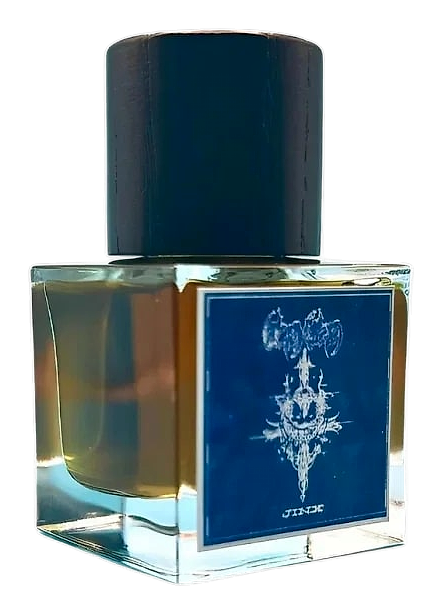
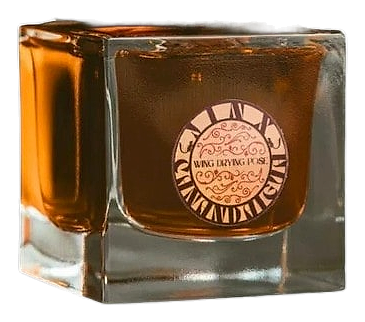
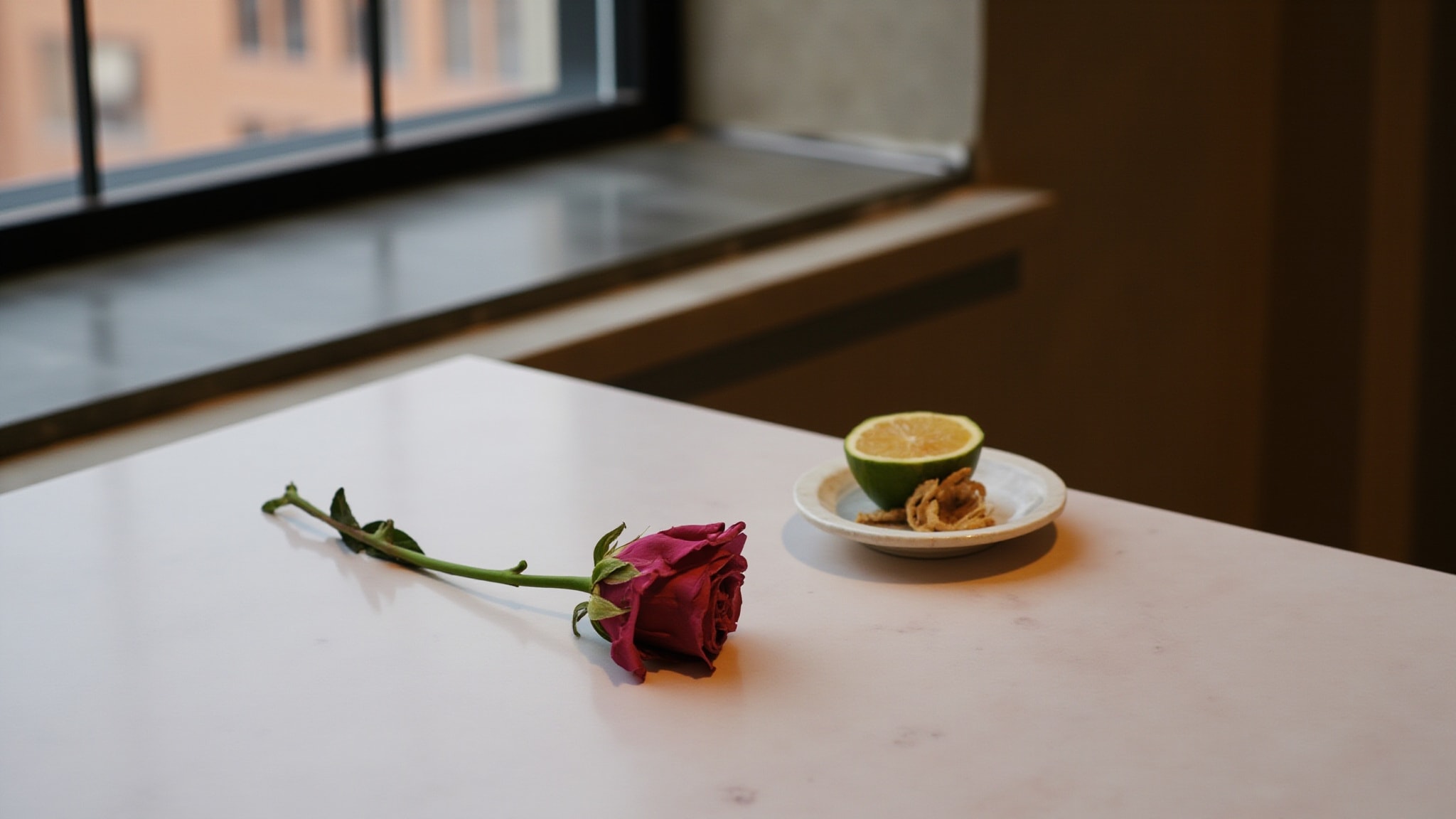
Arthur Clayton Emrick built Wing Drying Pose V3 Kushui de Mai around a single stubborn image: a cut rose left to dehydrate on a windowsill, stem and all. Released in 2024 under the Jinx Smells label, this composition earned its place in the line because it commits fully to that image rather than smoothing it into something safer. The May rose and Chinese rose otto at the center stay unapologetically stem-heavy, leaning into the bitter green snap of a freshly snapped stem rather than the syrupy warmth of a florist's bouquet. The medicinal wintergreen hits cold and almost camphorated, a thin crystalline layer that sharpens the urban score.
What makes this version land is how the supporting cast behaves around that rose. Kaffir lime and yuzu open sharp, almost coniferous, and they stay sharp longer than you'd expect. The blue lotus and carnation in the heart don't sweeten the rose. They press into it, almost medicinal, the way a clove cigarette might lean against a bouquet and refuse to apologize for the smoke. Then spikenard and iris come in and the whole thing starts feeling less like perfume and more like a walk through a damp garden at the wrong time of year.
The evolution
The opening is all snap. Yuzu and kaffir lime give the top a chilled, almost effervescent character, then Japanese fir and wintergreen push in underneath and you get something that smells closer to a pine lozenge dissolving in water than to a typical floral. The rose hasn't shown itself yet. It's there, but repressed, waiting beneath the citrus and the cool green needles. Then the blue lotus and carnation finally surface, and the spikenard turns the whole thing slightly earthy, almost dirty in the best way. That's when you realize this isn't going to be a polite rose. The iris and orris root take over the projection and give the heart a powdery, rooty character, something that recalls damp cellars and old wood. The Mysore sandalwood and bakul attar arrive as the slow burn, a creamy hush that gradually blankets the sharper edges without ever fully erasing them.
Cultural impact
This one tends to be discussed in terms of its attitude toward roses rather than its prettiness. Wearers describe it as anti-bouquet, anti-romantic, closer to actual garden dirt than to a perfumery shelf. The rose at the center doesn't ask to be loved so much as it asks to be acknowledged, and that shift in posture is what gives the composition its edge. It reads more raw, more medicinal, more interested in the plant than the flower, and that distinction matters to the people who reach for it.