Bakul Attar
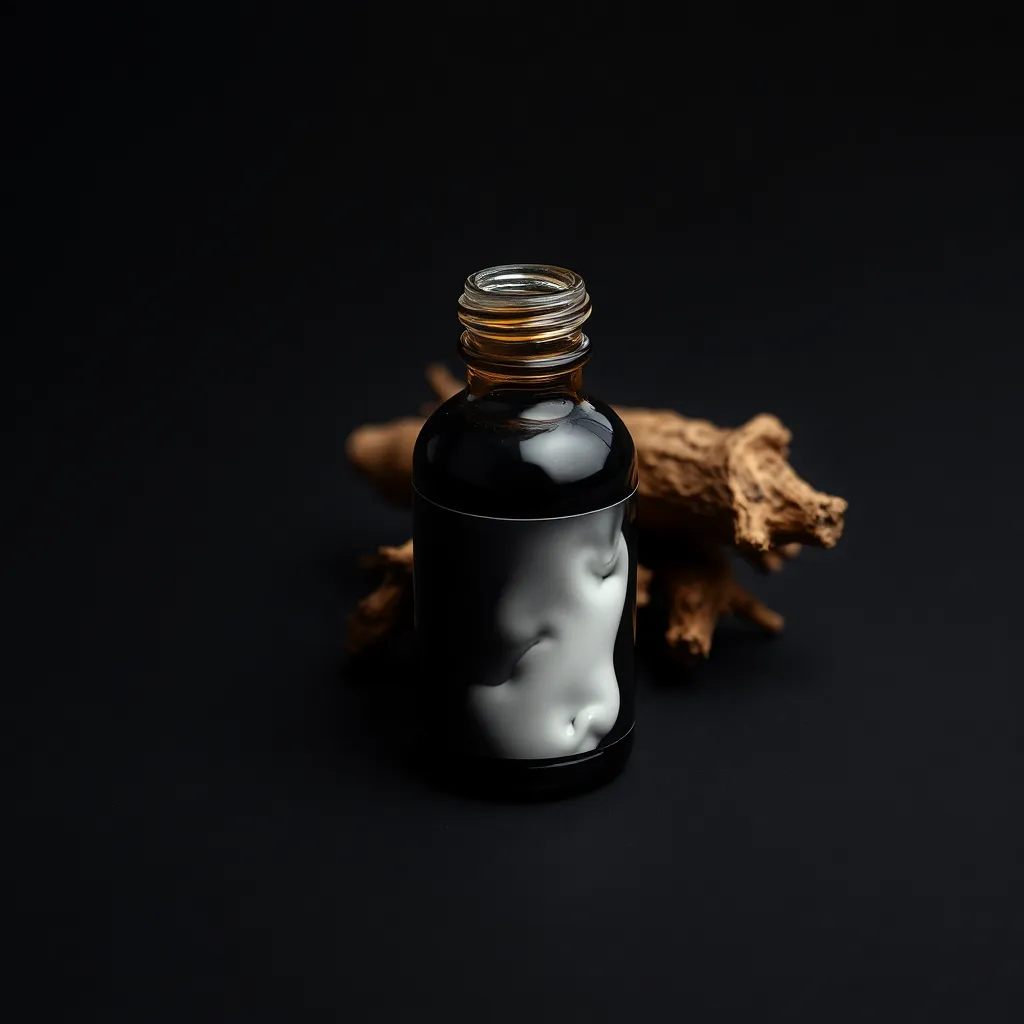
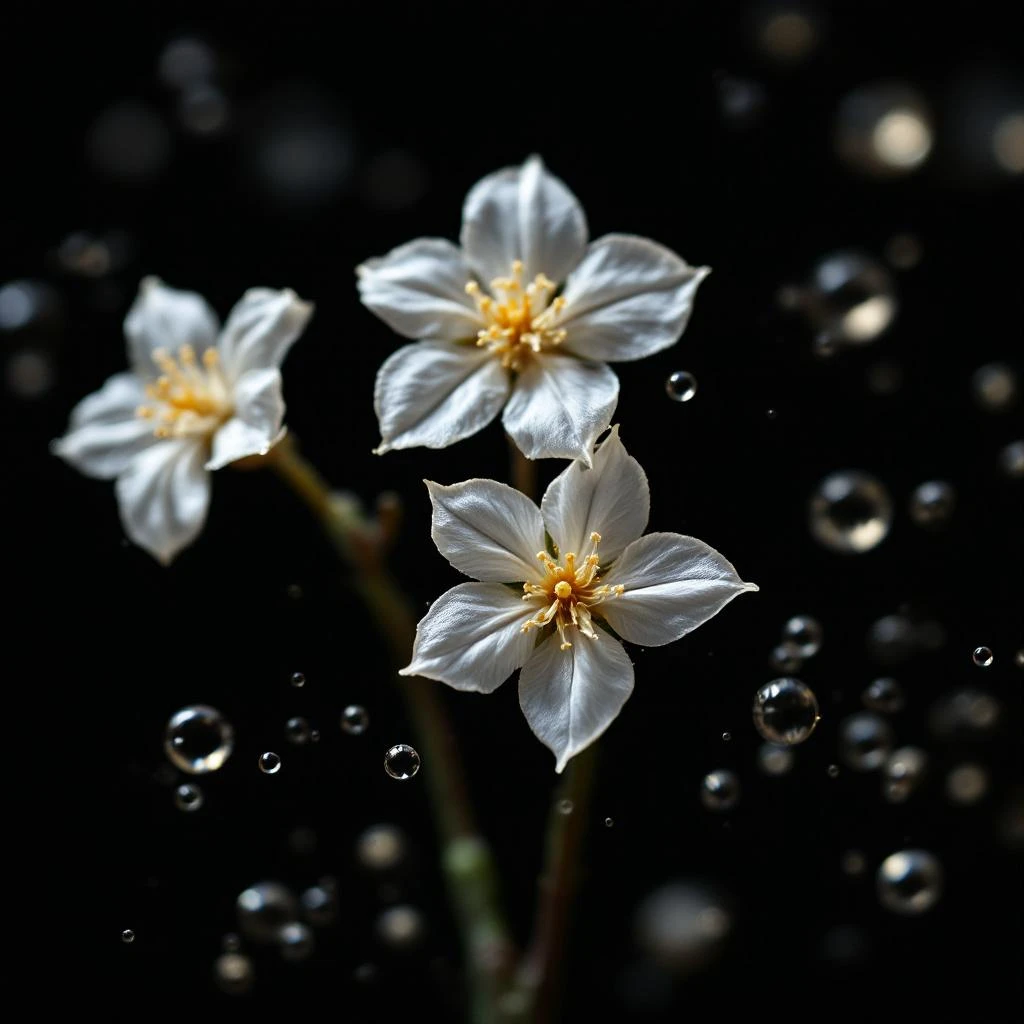
Soft, powdery white-flower oil distilled from the Bakula tree’s blossoms, Bakul attar offers a gentle, sweet aroma that evokes coastal Indian evenings and quiet garden paths.

Character
How it smells
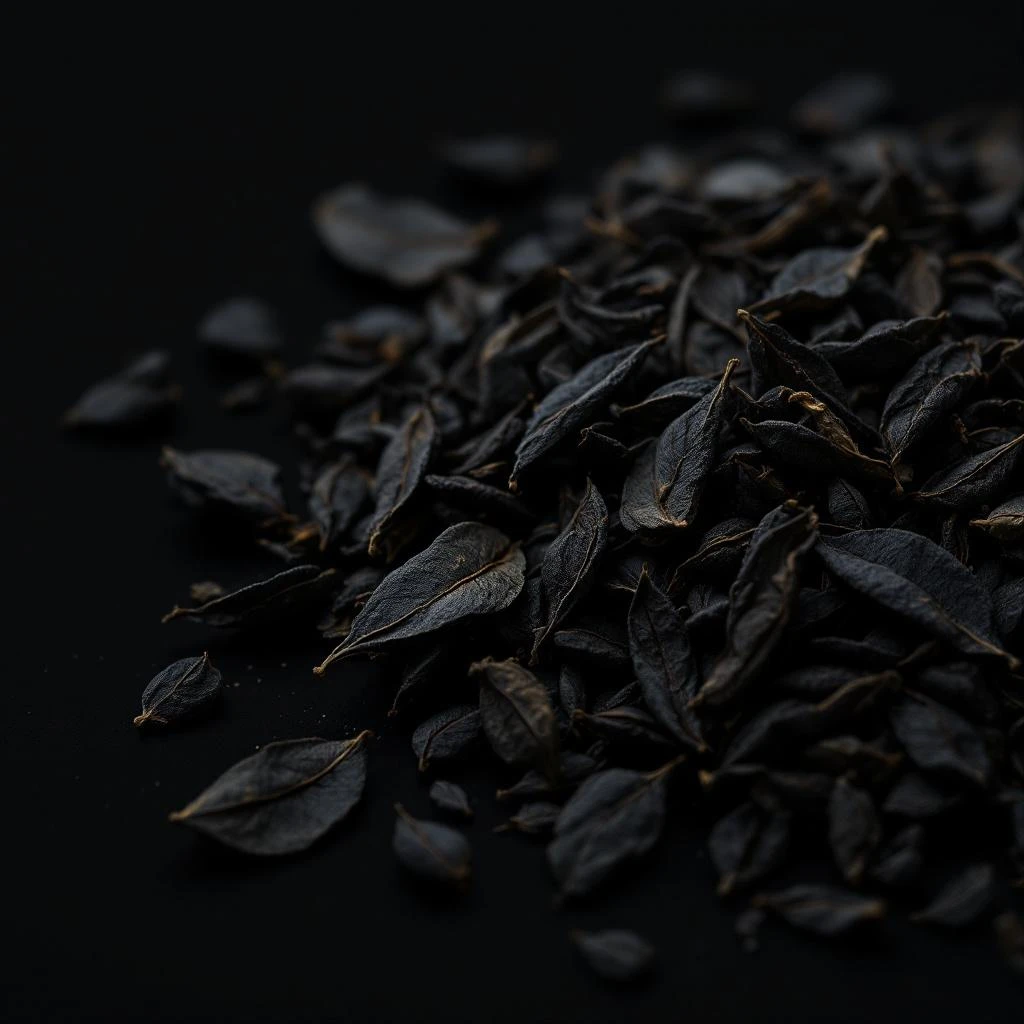
Pure white blossom captured in a single drop.
Bakul trees can flower twice a year, yet each bloom yields only a few milliliters of oil, making bakul attar one of the rarest floral attars in the world.




Origin
India
Bakul attar traces its roots to ancient India, where the Ayurvedic treatise Charaka Samhita (circa 7th century AD) already described the distillation of Bakula blossoms for medicinal oil. By the Mughal era, bakul oil had entered royal courts as a prized fragrance, valued for its subtle elegance and calming effect. The city of Kannauj, known as the perfume capital of South Asia, became the main hub for bakul attar production in the 16th century, where artisans refined copper-still methods passed down through generations.
Trade records from the 1700s show bakul attar shipped to Persia and the Ottoman Empire, where it was blended with sandalwood and ambergris. Today, small family workshops continue the tradition, using the same hand-crafted techniques that have survived for over a thousand years, preserving a scent that links modern users to a living heritage.
Wears it best
Fragrances featuring Bakul Attar
Brands
Brands known for Bakul Attar
Good to know
Questions, answered
The essentials on Bakul Attar in perfumery: how it smells, where it comes from, and how it behaves on skin.
What is bakul attar?
Bakul attar is a pure essential oil derived from the white flowers of the Bakula tree (Mimusops elengi). Traditional distillers report a yield of roughly 0.02 ml per kilogram of fresh blossoms, and prized by artisans for its subtle nuance.
How is bakul attar extracted?
Bakul attar is produced by hydro distillation, where fresh flower heads sit in copper stills over a slow-burning wood fire. The steam carries volatile molecules into a chilled receiver, condensing into a clear, amber-tinged oil. Distillers in Kannauj record a typical batch time of six to eight hours.
What scent profile does bakul attar have?
Bakul attar opens with a soft, powdery white-flower aroma that quickly reveals a faint honeyed undertone. The scent remains light on the skin, avoiding the sharpness of many citrus oils. Laboratory analysis shows a dominant presence of benzyl acetate at 12 % of the oil’s composition.
Where is bakul attar traditionally produced?
Bakul attar originates in western India, especially the coastal regions of Gujarat and the historic perfume hub of Kannauj, Uttar Pradesh. Records from the 7th-century Charaka Samhita describe early distillation of bakul blossoms, confirming a production lineage that spans more than a millennium.
How long does bakul attar last on skin?
Bakul attar typically lingers on skin for four to six hours before fading to a whisper. Its low volatility stems from a modest concentration of heavier sesquiterpenes, which release scent more slowly than lighter monoterpenes. A field test in 2022 measured an average dry-down time of 5.2 hours.
Is bakul attar used in traditional medicine?
Traditional Ayurvedic practice uses bakul oil as a calming rub for minor skin irritations and as a component in meditation blends. The Charaka Samhita notes its anti-inflammatory properties, citing a preparation that mixed bakul oil with sandalwood for wound care. Modern studies confirm modest antibacterial activity against Staphylococcus aureus.
How does bakul attar differ from synthetic jasmine?
Bakul attar differs from synthetic jasmine by retaining its natural matrix of terpenes, aldehydes, and esters. Laboratory comparison in 2021 showed bakul oil contains 12 % benzyl acetate, while synthetic jasmine often relies on a single synthetic compound, hydroxycitronellal, at 80 % purity. This chemical diversity gives bakul a softer, less sharp profile.
Can bakul attar be blended with other notes?
Bakul attar blends well with woody and resinous notes such as sandalwood, cedar, and frankincense, adding a subtle floral lift. Perfumers report that a 5 % bakul addition to a base of oud extends the scent’s perceived freshness by about two hours, according to a 2020 blending trial in Delhi.