Champaca Leaf
Rare heart note from Magnolia champaca flowers. Celebrated for its creamy, narcotic floral character that brings warmth and depth to compositions.
Character
How it smells
The creamy heart of Southeast Asian florals.
Champaca absolute commands prices up to ten times higher than rose absolute due to its extremely low yield.


Origin
India
Champaca traces its roots to the forests of South and Southeast Asia, where Magnolia champaca has grown for centuries across India, Java, and the Philippines. Ancient Sanskrit texts mention champaka trees growing in temple gardens, their golden flowers considered sacred. Hindu mythology associates the bloom with Goddess Lakshmi, making champaca flowers traditional offerings in religious ceremonies and wedding garlands.
Philippine communities incorporated champaca into traditional rituals and folk medicine long before European contact. In Javanese culture, the flowers perfumed homes and religious spaces. Colonial era French traders encountered champaca during operations in Indochina, introducing the material to European perfumers seeking exotic ingredients.
The fragrance industry began systematically sourcing champaca absolute in the early twentieth century. French houses first worked with the material, valuing its ability to add warmth without heaviness. Indian production facilities emerged later, establishing the country as a primary supplier. The flower's dual role as religious offering and perfume ingredient continues today, with sustainable harvesting practices developing to protect wild populations.
Wears it best
Fragrances featuring Champaca Leaf
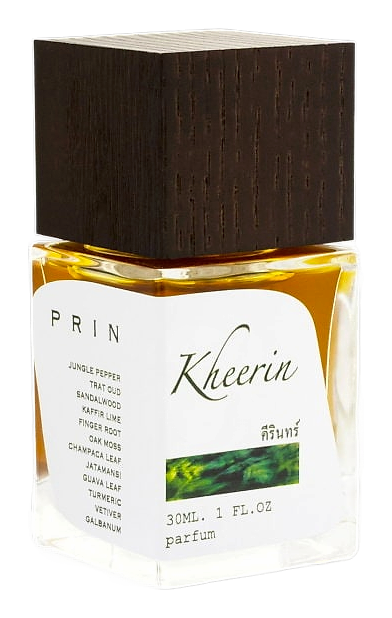
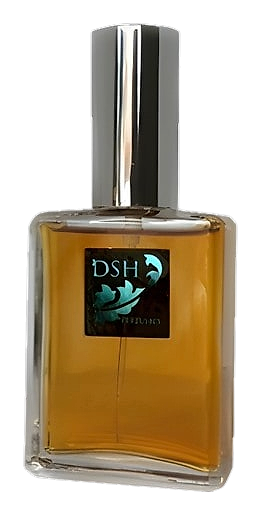
Brands
Brands known for Champaca Leaf
Good to know
Questions, answered
The essentials on Champaca Leaf in perfumery: how it smells, where it comes from, and how it behaves on skin.
What does champaca smell like?
Champaca delivers a rich, creamy white floral scent with narcotic, almost heady qualities. It reads as warmer and more honeyed than gardenia, with powdery undertones. The fragrance develops significantly on skin, revealing depth over time rather than presenting its full character immediately.
Is champaca a rare perfume ingredient?
Champaca absolute is uncommon in commercial fragrances. Extraction yields run extremely low, typically 0.2 to 0.5 percent by weight. Combined with seasonal harvest constraints and the labor required for hand-picking, the material remains one of the costlier naturals available to perfumers.
Where does champaca absolute originate?
India supplies the majority of global champaca production, particularly Tamil Nadu and Kerala. Indonesian cultivation, especially in Java, contributes to supply. French Indochina historically supplied European markets before shifting production closer to natural growing regions.
How does champaca leaf oil differ from champaca absolute?
Champaca absolute comes from flowers and carries creamy, narcotic floral character. Steam-distilled champaca leaf oil presents a greener, more herbaceous scent profile with less floral sweetness. The floral absolute represents the primary perfumery material; leaf oil sees limited use.
What molecules define champaca's scent?
Champaca contains 2-phenylethanol as a primary aromatic compound, responsible for its rosy, floral character. Various phenylpropanoids and sesquiterpenes contribute warmth and complexity. The full aromatic profile remains complex, with dozens of trace compounds creating the signature effect.
Can synthetic replacers match natural champaca?
Synthetic approximations exist but lack the complexity of natural champaca absolute. Isolated 2-phenylethanol provides a clean floral note but misses the warm, honeyed undertones and development curve. High-quality naturals offer layered top, heart, and base impressions that synthetics struggle to replicate.
What fragrances pair well with champaca?
Champaca blends naturally with sandalwood, which amplifies its creamy qualities. Jasmine and ylang-ylang reinforce the floral character. For contrast, vetiver and cedarwood ground the sweetness. Oriental bases with vanilla and benzoin create rich, warm compositions. Champaca also lifts fresher constructions as a subtle heart note.
How should champaca absolute be stored?
Keep the absolute in a tightly sealed amber glass bottle away from heat and direct light. Oxidation degrades aromatic quality over time. Room temperature storage suffices; refrigeration offers extended shelf life but requires careful warming before use to prevent condensation. Expect 2-3 years of stability when properly stored.




