Grape Pomace
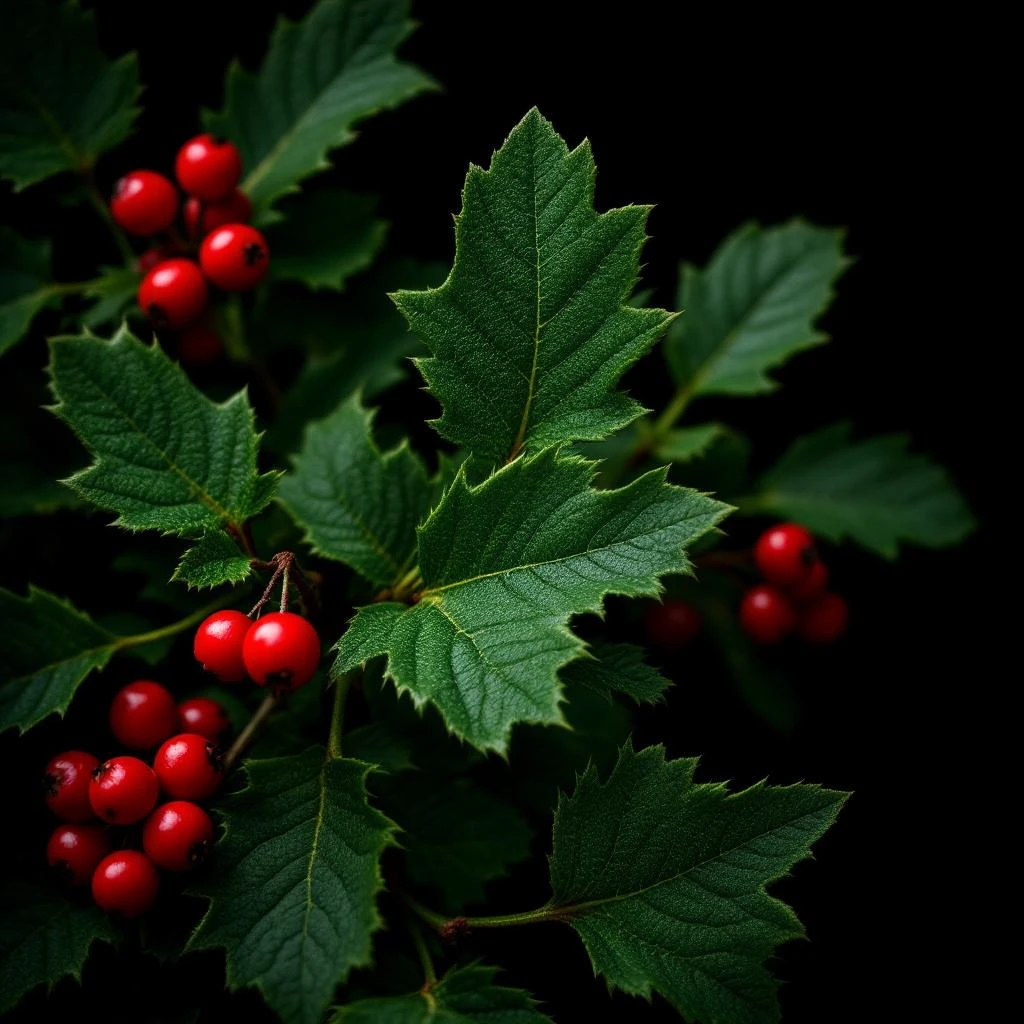
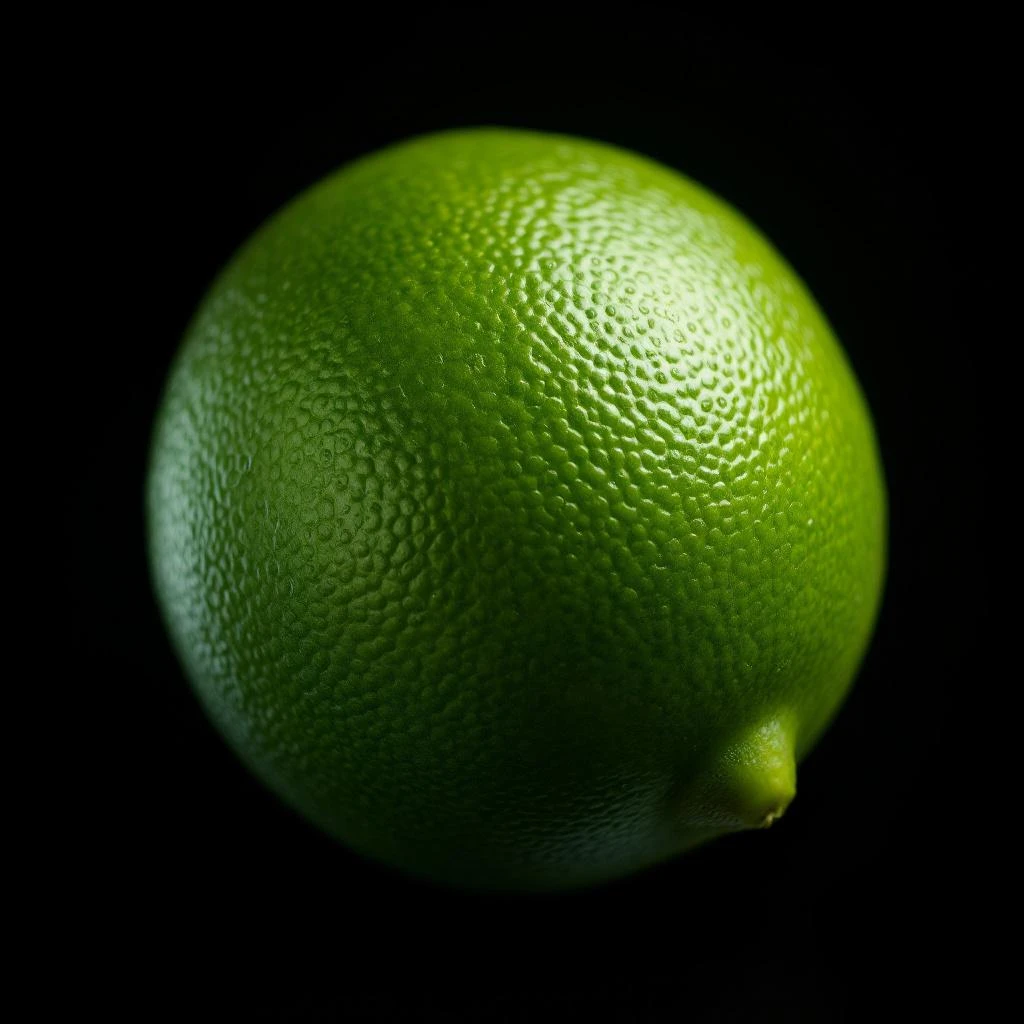
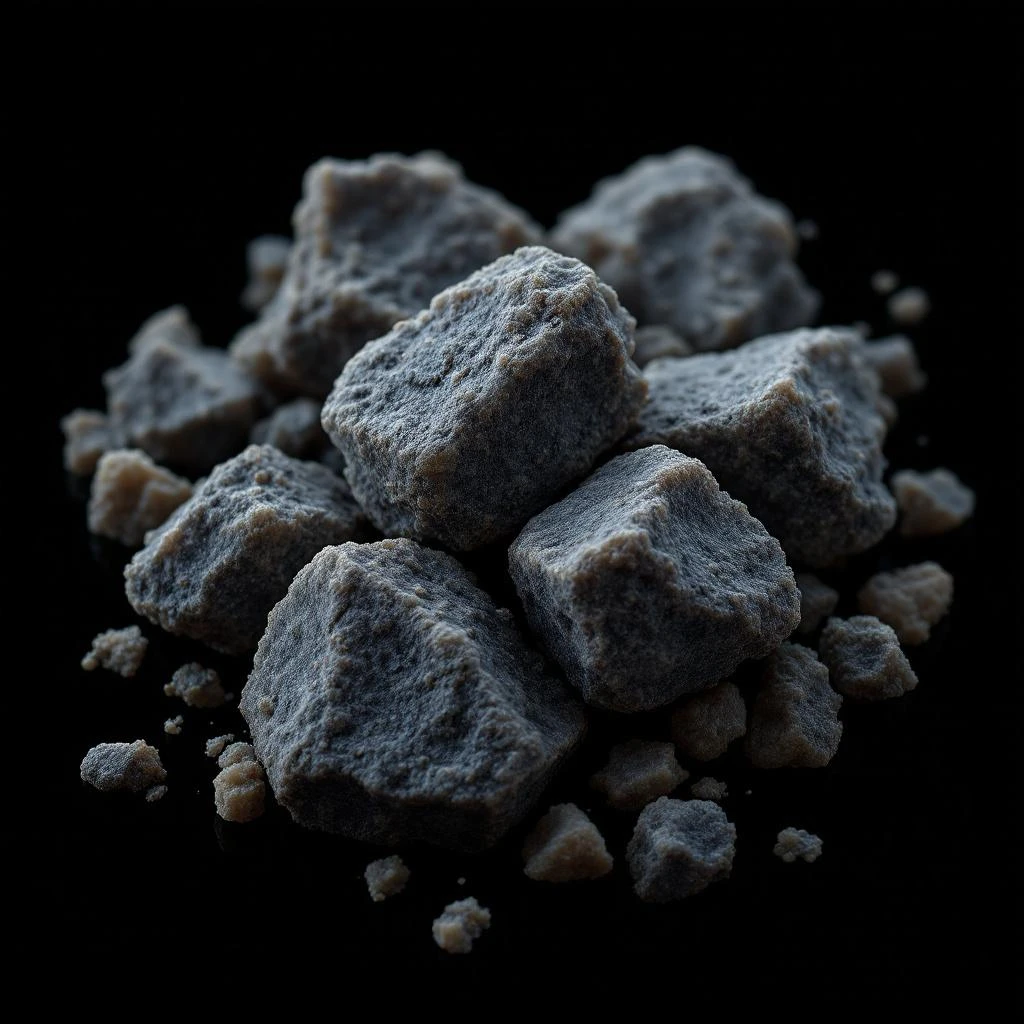
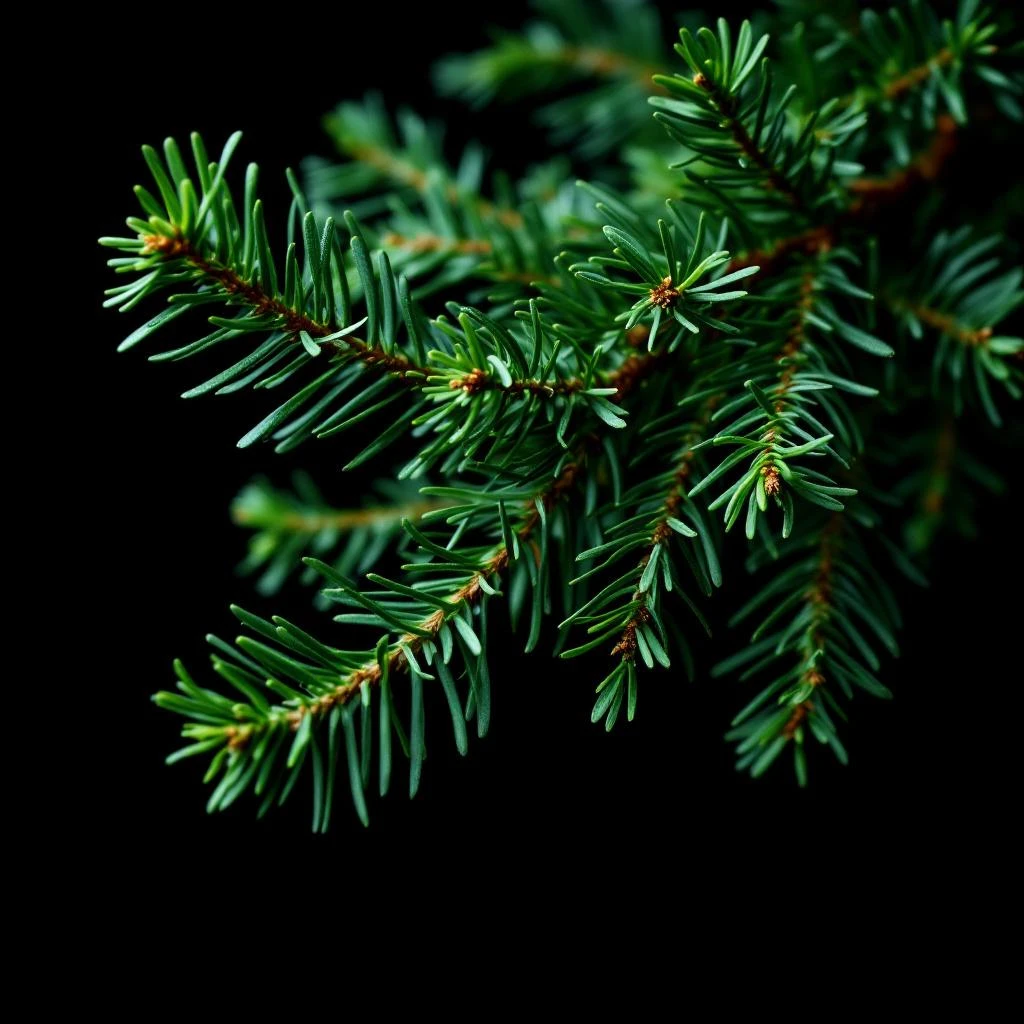
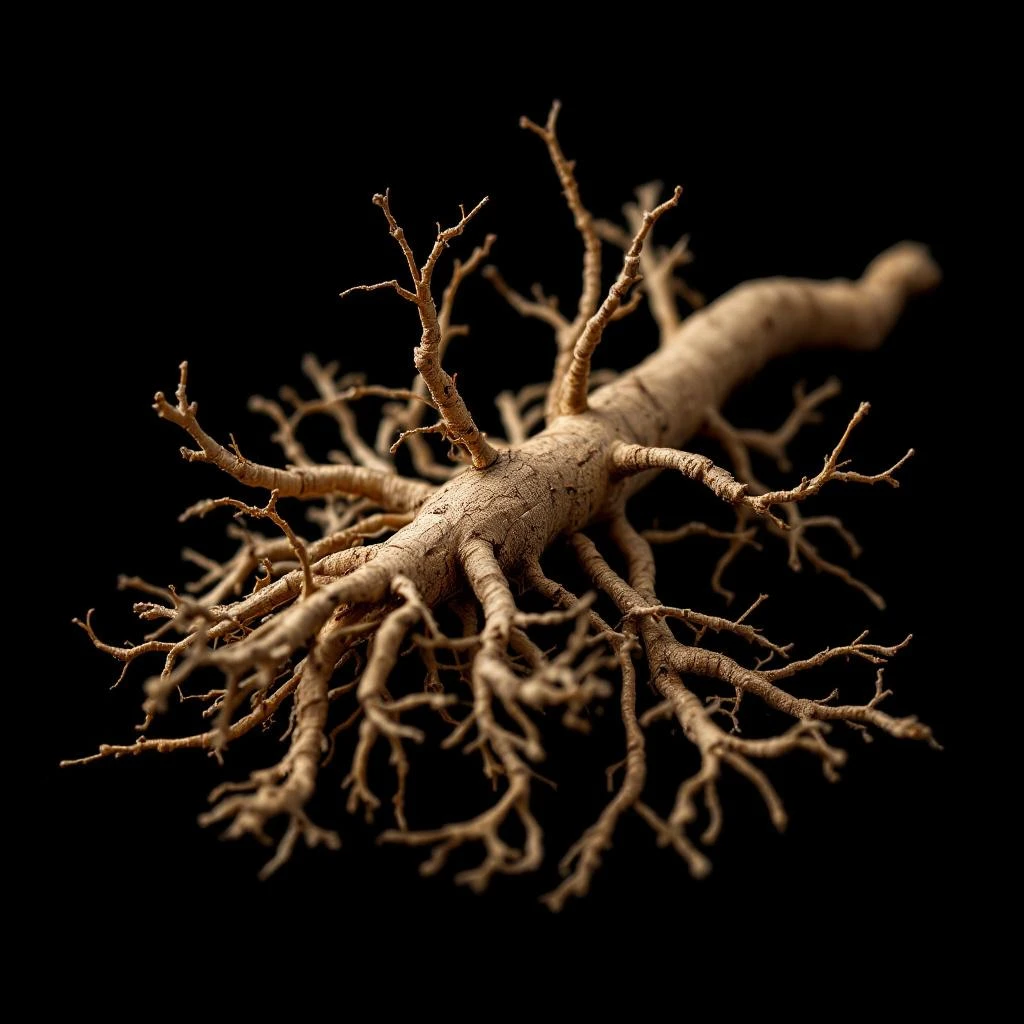
The winemaker's secret ingredient. Grape pomace, the pressed skins, seeds, and stems left after juice extraction, yields a complex aromatic profile that perfumers prize for its green, fruity, and wine-like nuances.

Character
How it smells
Wine's second life, captured in a bottle
Roughly 20-30% of every pressed grape batch becomes pomace, which still contains enough aromatic compounds (terpenes, norisoprenoids, thiols, and esters) to perfume a fragrance.




Origin
France
Grape-derived scents trace back to ancient Egypt, where early civilizations created pastille-like incense blends incorporating fruit concentrates and wine residues. Archaeological evidence from Mesopotamian sites over 3,200 years old shows early extraction techniques applied to fermented fruit materials. The practice of distillation refined these methods considerably.
Medieval European monasteries, already centers of winemaking and herbal knowledge, occasionally repurposed pressed grape solids into medicinal tinctures and aromatic waters. Industrial perfumery in the 19th century, however, largely bypassed pomace in favor of more concentrated essences like cognac oil, distilled from the lees and casks of wine production. A renewed interest in circular production and agricultural byproducts has repositioned grape pomace within contemporary fragrance composition.
Recent academic reviews, including a 2025 study by Buican and colleagues, have catalogued over fifty distinct aroma compounds recoverable from pomace, confirming its chemical complexity. Today, niche perfumers in France and Italy treat it as a signature material, evoking terroir, fermentation, and the sensory overlap between wine and scent.
Wears it best
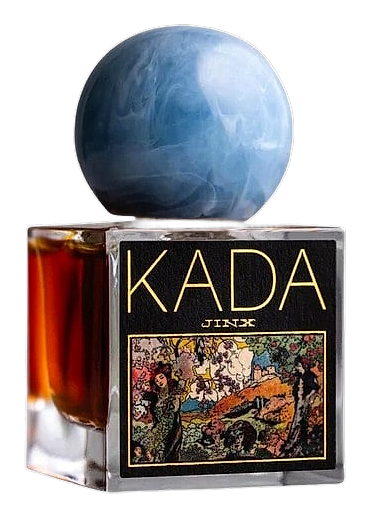
Fragrances featuring Grape Pomace
Brands
Brands known for Grape Pomace
Good to know
Questions, answered
The essentials on Grape Pomace in perfumery: how it smells, where it comes from, and how it behaves on skin.
What does grape pomace smell like in perfume?
Grape pomace produces a vinous, slightly fermented aroma with green leafy freshness and ripe fruit sweetness. Key compounds include linalool for floral lift, damascenone for stewed-fruit depth, and trace thiols that add a surprising savory edge reminiscent of white wine.
Is grape pomace a natural fragrance ingredient?
Yes. Grape pomace is a genuine natural ingredient, the pressed skins, seeds, and stems collected as a byproduct of winemaking. Aromatic compounds are extracted via solvent or supercritical CO2 methods, yielding an absolute used directly in fragrance composition.
How is grape pomace extracted for perfumery?
Producers typically use solvent extraction or supercritical CO2 processing on freshly pressed pomace. Timing matters: extraction occurs within hours of pressing because volatile thiols and terpenes degrade quickly once the material oxidizes.
Where does grape pomace for perfume come from?
Major sourcing regions include Bordeaux and Burgundy in France, Tuscany in Italy, and California's Napa Valley. Extraction facilities usually co-locate with vineyards to minimize the time between pressing and processing, preserving the most fragile aromatic molecules.
What is the difference between grape pomace and cognac oil?
Cognac oil is distilled from wine lees and barrel residues, yielding a warmer, oak-influenced profile. Grape pomace extracts come from solid pressed skins and stems, producing a fresher, greener character with brighter fruit notes and less woody depth.
Is grape pomace sustainable in fragrance production?
Yes, it ranks among the more sustainable fragrance raw materials because it repurposes a winemaking byproduct that would otherwise become compost or animal feed. Using it converts agricultural waste into a valued aromatic ingredient without requiring additional cultivation.
Which perfumes use grape pomace?
Grape pomace appears primarily in niche and artisanal fragrances from French and Italian houses exploring wine-inspired themes. Its use remains limited compared to mainstream naturals, though interest has grown alongside circular-economy movements in luxury production.
How long has grape been used in perfumery?
Grape-based aromatics trace back to ancient Egypt, where pastille-like incense blends incorporated wine residues over 3,000 years ago. Modern pomace extraction, however, emerged only recently as perfumers began valorizing winemaking byproducts through advanced extraction techniques.





