
The Story
Why it exists.
The beginning
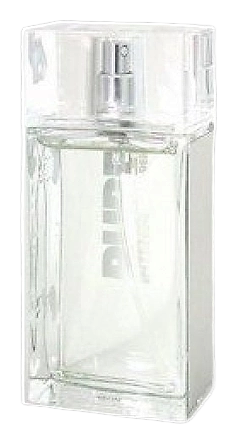
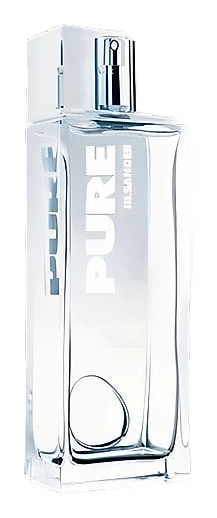
In 2003, Jil Sander asked perfumer Nathalie Lorson to translate the house's design ethos, restraint as authority, into a bottle. The result was Pure, a fragrance that took the brand's minimalist tailoring and rendered it in scent. Lorson built it around a small, deliberate set of materials, letting each one carry weight rather than hiding them in a crowd. The composition reads almost like a wardrobe edit, a few notes chosen with intention and given room to breathe. There's no ornamental sweetness competing for attention, no dense base crowding the top, just a clear hierarchy of materials that feels architectural in the same way a perfectly cut coat feels architectural. Lorson's approach was to give each component its own register and let the air between them do some of the work.
The interesting choice here is what Lorson left out. No overt fruit, no heavy resin, no showy floral bouquet. Instead, aquatic notes do the opening work, water as a concept rather than a specific ingredient, while white musk and jasmine form a heart so clean it almost reads as one single material. The sandalwood and amber in the base don't warm things up so much as ground them, the way a concrete floor grounds a white-walled gallery. Cyclamen adds a green-petal whisper that keeps the whole composition from tipping into pure abstraction.
The evolution
The first ten minutes feel almost weightless. Aquatic notes rise without a sharp citrus to announce them, more the memory of sea air through an open window than anything literal. There's a faint mineral coolness, like touching a glass that held cold water. By the thirty-minute mark, jasmine begins to surface, but it's jasmine at low volume, more suggestion than statement, cushioned inside the white musk rather than floating free. The musk itself is doing something subtle here: it's not the sweet, soapy variety, it's dry and almost paper-like, giving the heart a linen-drawer quality. Around the two-hour mark the composition shifts again. Sandalwood arrives softly, creamy without being heavy, and the cyclamen adds a watery green note that keeps everything suspended. On skin it stays close, an arm's-length scent at most, holding that intimate radius for the better part of a day.
Cultural impact
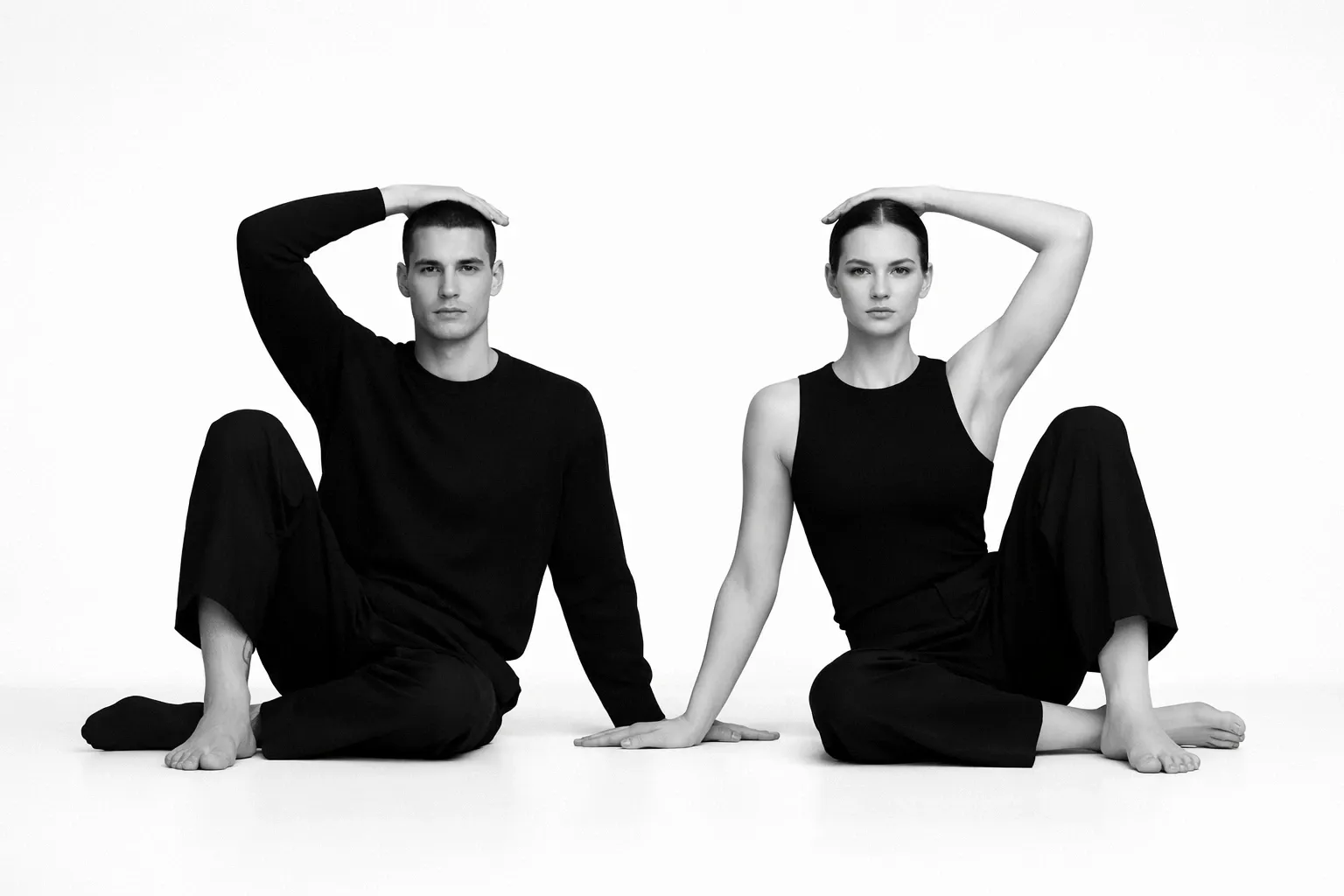
Pure carved out a space for the woman who wanted something skin-close and quietly composed, a scent that felt right in a boardroom without announcing itself across the room. It earned a following among people who were tired of sweetness and wanted their fragrance to feel considered, the olfactory equivalent of a white shirt worn without apology. The composition reads as clean and almost abstract, marine and musky in equal measure, holding back where others push forward. There's a certain taste marker in wearing it, a preference for understatement over spectacle, for the kind of polish that doesn't need to be explained.