The Story
Why it exists.
The beginning
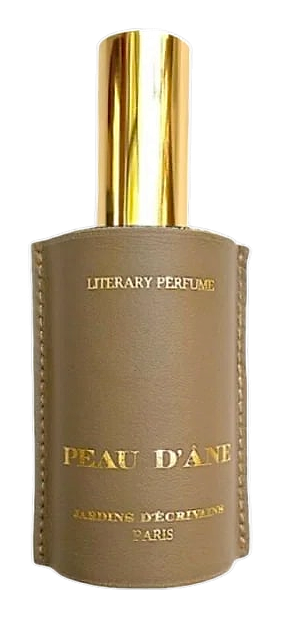
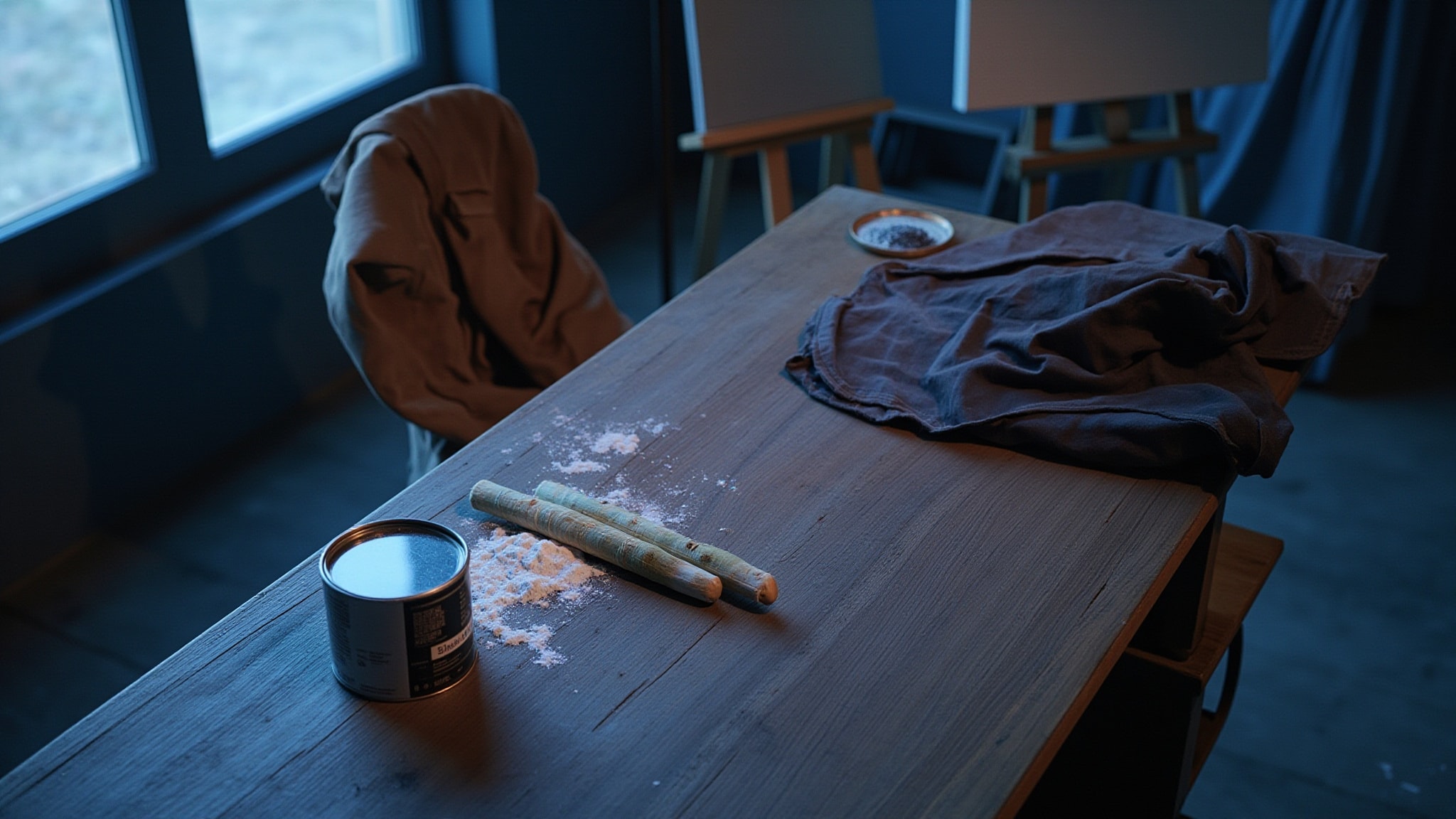
Peau d'Âne borrows its name from the French fairy tale of Donkey Skin, the story of a princess who flees her father's impossible proposal by hiding inside the raw hide of a donkey, a transformation that becomes her armor. Released in 2022 as part of the Jardins d'Ecrivains collection, the composition translates a literary figure into scent. The tale offered something rare: a story where escape and transformation share the same gesture, where ugliness becomes survival. That paradox of becoming someone else to remain yourself runs underneath every note here. The opening feels like cold suede pulled taut over warm skin, the animalic texture almost immediate as flour-dusted iris settles into its powdered grooves.
The composition takes its risks seriously. Turpentine in the opening is not a decorative choice. It cuts through the iris powder like a solvent, reminding you that paint, varnish, and transformation live close together. Flour is stranger still. It reads like an absence of scent, a kitchen threshold, a moment before bread. Labdanum anchors the heart with its resinous warmth, while carrot seed adds an earthy, rootlike density that grounds everything before cedar, patchouli, and suede take the floor. This is a house that builds from literary conceit, not market trend, and you can feel it.
The evolution
Peau d'Anne opens with the cool, mineral sting of iris and lime sharpened by turpentine, reading almost like wet paint on canvas for the first 30 minutes. As the top notes recede, a quieter middle emerges where carrot seed and labdanum bring a dusty, floury warmth that softens the opening's sharper edges. In the final 2-3 hours, cedar, patchouli, and suede settle into an intimate, close-to-skin drydown that feels like worn leather on cool autumn air.
Cultural impact
Peau d'Âne carries a quieter cultural footprint than bigger launches, the kind of fragrance that finds its people through word of mouth rather than campaigns. It moves through a particular kind of reader, someone drawn to the intersection of book and bottle, someone who appreciates a perfume that holds onto its source material rather than abstracting it away. Those who find it tend to stay, drawn back by the strange comfort of a composition that wears like a story you already know.