The Story
Why it exists.
The beginning
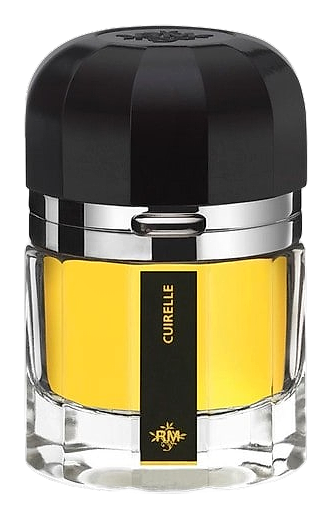
Cuirelle arrived in 2010, and from the start it wore its leather differently than the genre's more aggressive archetypes. Ramón Monegal described the scent not as a literal hide or saddle, but as an interpretation: "Strength and texture... cat-like flexibility and musk sublimated with shades of honey and incense." From the beginning, this was a leather that wanted to move, to feel supple, to seduce without shouting. The composition builds around a central tension: the rough, mineral weight of leather treated as something tactile and warm, something close to skin. The honey note registers early, golden and slightly animalic, more the scent of beeswax softening in a jar than any sweetness you'd find in a pastry.
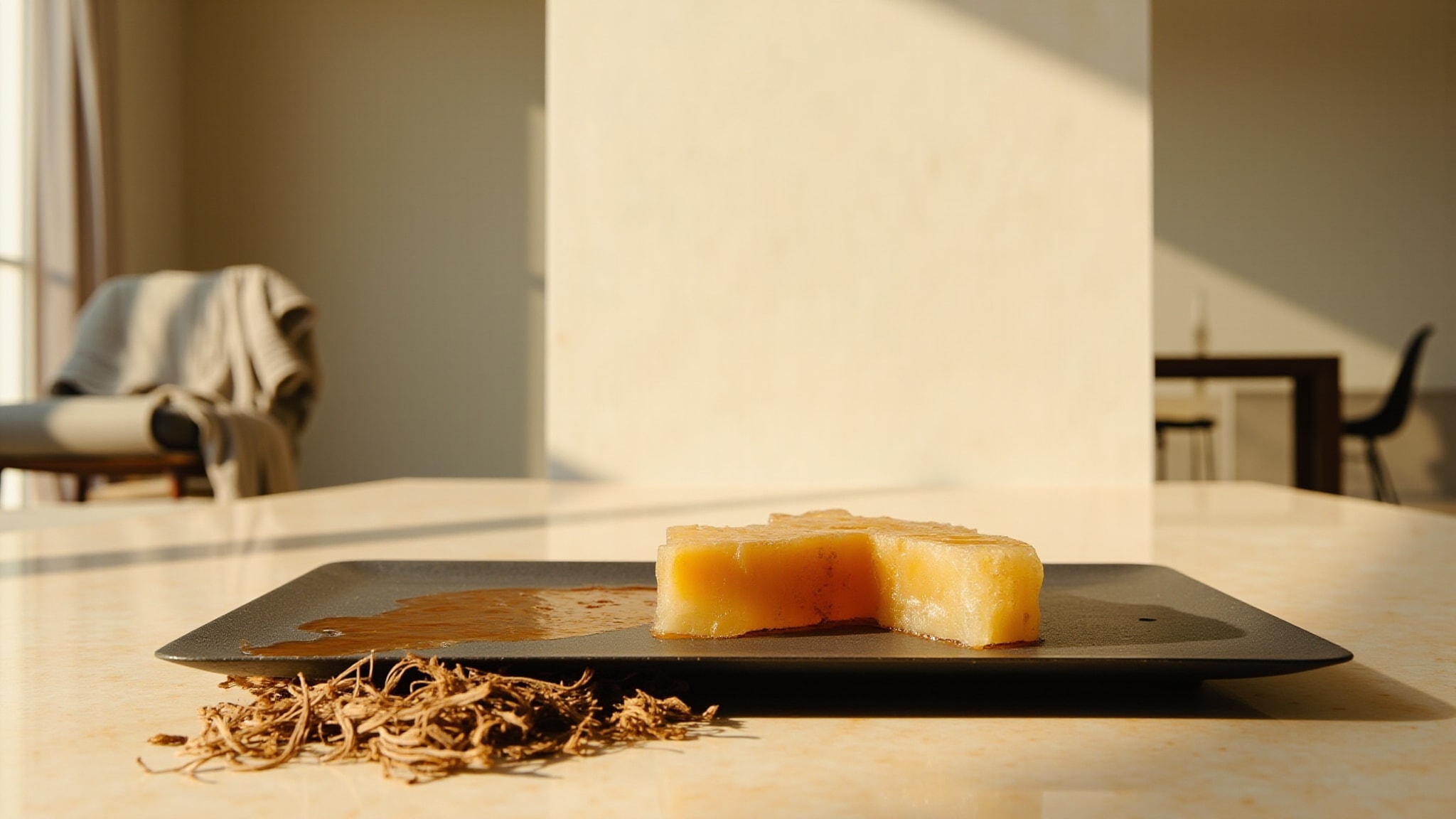
What separates Cuirelle from the crowded leather shelf is its refusal to use actual leather molecules. There's no birch tar, no isobutyl quinoline, no overt animalics. Instead, Ramón Monegal builds the illusion of suede through a careful layering of beeswax absolute, Somali frankincense, and Indonesian patchouli leaf, with Ceylonese cinnamon threading warmth through the heart. Beeswax gives that waxy, golden-honeyed texture. Frankincense adds the smokiness that leather typically carries. Patchouli grounds it in earth. The result reads as leather because the brain assembles those tactile cues from memory, but no single note announces itself as animal.
The evolution
The opening moves fast. Within the first ten minutes, the beeswax absolute surfaces with a golden, almost candlelit warmth, sweet but not sugary, accompanied by the immediate resin flicker of Somali frankincense. There's no sharp citrus to cut through, no aldehydes shouting for attention. Just the quiet suggestion that something warm has been left near a flame. By the thirty-minute mark, the wax deepens. Ceylonese cinnamon begins to register, not as a baking spice but as a dry, almost smoky heat. Indonesian patchouli leaf arrives underneath, green at first, then darker, earthier, giving the composition its suede-like nap. The interplay here is subtle but deliberate: the patchouli grounds the cinnamon's lift, while the beeswax softens both into something more golden than either could achieve alone. The heart phase is where the leather illusion clicks into place.
Cultural impact
Cuirelle sits in an interesting position within contemporary niche perfumery. Released in 2010, it takes leather's softness as seriously as its edge, offering a composition that values restraint over aggression. What makes it distinctive is the way it pulls away from the heavier leather archetypes that have long defined the genre. There's no sharp birch tar biting at the opening, no overt animalic sting meant to shock. Instead, Cuirelle works in warmer, more intimate registers: beeswax, honey, incense, musk, the kind of materials that suggest a hide softened by years of wear rather than something freshly tanned.