The Story
Why it exists.
The beginning
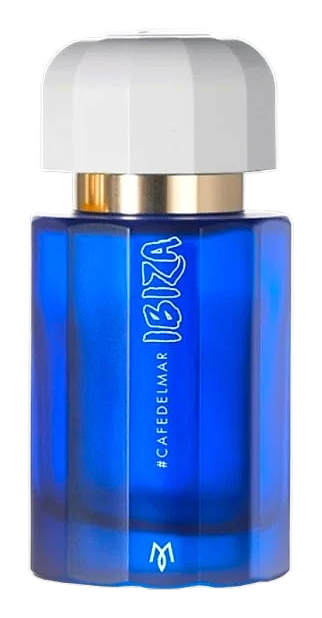
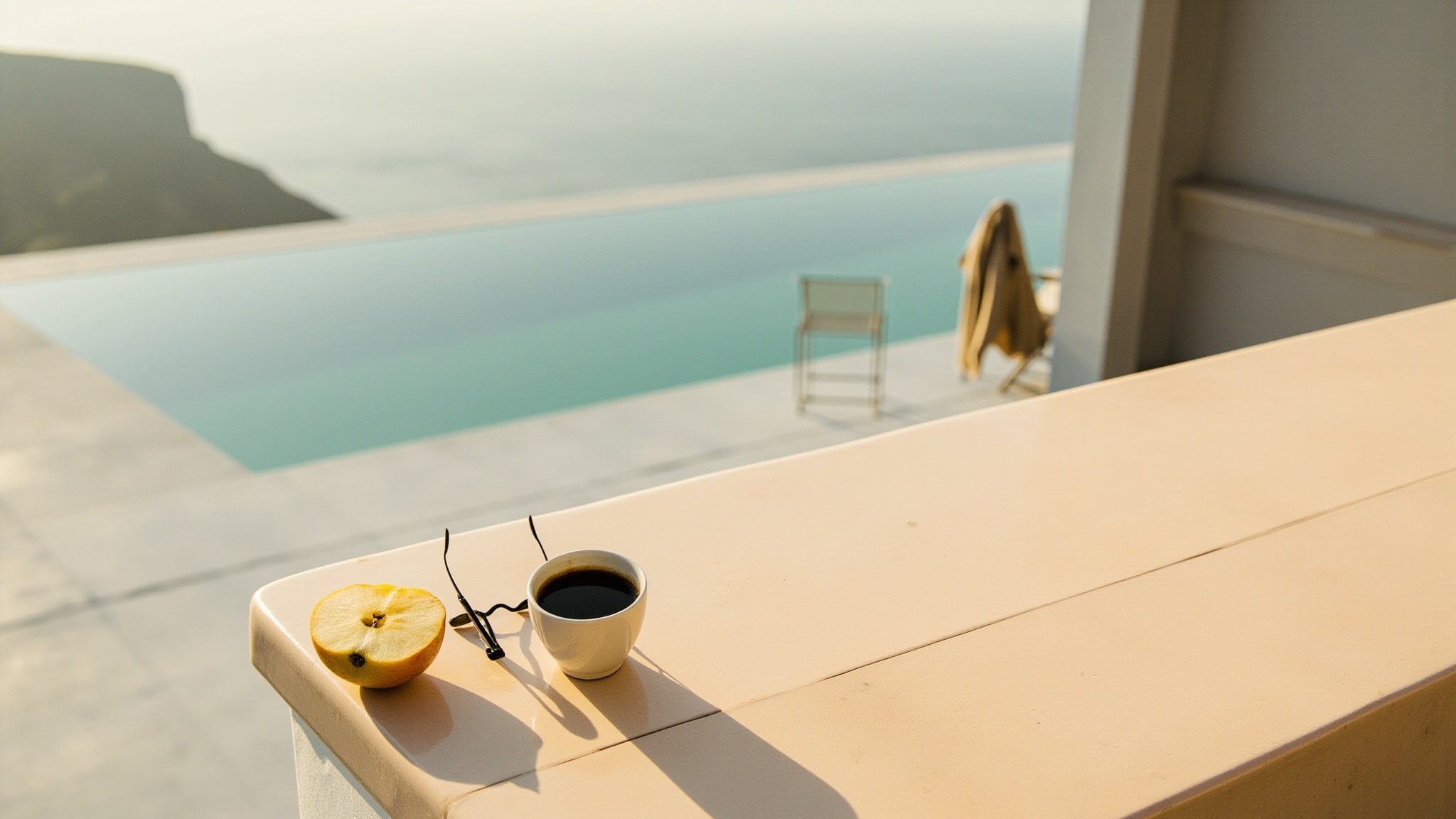
#cafedelmar launched in 2018 as part of Ramon Monegal's Ibiza collection, and the name telegraphs exactly where it's coming from. Café del Mar is a venue synonymous with golden-hour rituals, a place where the Mediterranean meets a terrace full of people who know how to let an afternoon stretch. Ramón Monegal Maso composed the fragrance as a translation of that ritual, the one where coffee, sea air, and golden light collapse into a single hour. The composition reads as an olfactory postcard from that specific hour of day, the one when light turns amber and the air tastes of salt and espresso. Rather than reaching for abstract marine tropes, he grounds the scent in literal ingredients: real coffee, real seaweed, even sand as a listed note.
What makes this composition genuinely interesting is the collision of materials. Seaweed and coffee don't typically share a pyramid, yet Ramón places them in the same opening like two friends arguing over a table. Then sand, actual sand as a listed base note, grounds the whole thing in geology. It's not an abstract beach. It's a specific place at a specific hour, and the notes fight and reconcile on the skin in real time. The opening reads as a study in productive dissonance: the vegetal salinity of seaweed pushes against the roasted bitterness of coffee, and neither one surrenders.
The evolution
The first ten minutes are surprisingly bracing. Yellow apple brings a crisp sweetness that cuts through the coffee's bitterness, while seaweed does something mineral and saline that no amount of aquatic accord ever quite achieves. There's an almost oceanic vegetal quality, like kelp drying on hot stone. The lavender and freesia in the heart soften the edges without dulling them, adding a herbal cool that reads clean rather than perfumey. The freesia carries a faint peppery lift that keeps the florals from veering into soap, and the lavender's camphorous edge does the same work, anchoring the bouquet with a green-cool clarity that bridges the briny top and the warmer base underneath. Then the drydown takes over, and this is where the fragrance earns its reputation. Ambergris and vanilla settle into a warm, musky close that smells like warm skin hours after the sun's gone.
Cultural impact
Wearers tend to describe #cafedelmar less as a fragrance and more as a location. It sits in that niche of scents that smell less like perfume and more like somewhere you've been, which gives it an unusual appeal among buyers who want their collection to evoke memory and atmosphere rather than simply smell pleasant. The composition reads as an honest attempt at sensory translation, the kind of bottle that appeals to someone who has stood on a Mediterranean terrace at the right hour and wanted to carry that feeling home.