
The Story
Why it exists.
The beginning
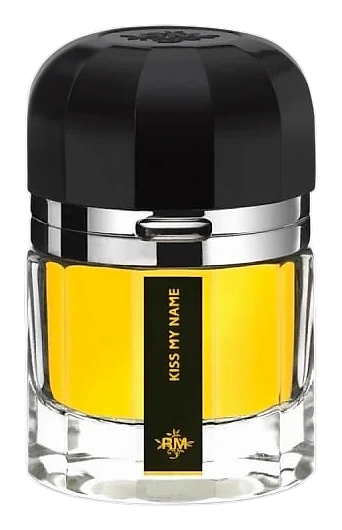
Kiss My Name carries a specific weight. The official description admits it plainly: the legendary floral accord of tuberose, jasmine, and orange blossom was the first classic Ramón Monegal tried to replicate, and failed. Again and again. Until he didn't. This fragrance is the attempt he finally stood behind, the one he could sign his name to. The title isn't metaphorical. It's a declaration.
What makes this white floral work is the structure beneath it. The classic trio isn't new, every perfumer chases it. But Monegal builds it on an amberwood and cedar base that gives the creaminess somewhere to land instead of floating away. The honey binds it. The result feels less like a textbook exercise and more like a scent that knows exactly what it is.
The evolution
The opening hits bright. Bergamot and blackcurrant give an immediate tartness, almost green, before the florals arrive to smooth everything out. That first 15 minutes is the only time this fragrance feels restrained. Once the tuberose takes over, and it takes over, the whole composition shifts into something richer, almost syrupy. The jasmine and orange blossom don't compete with it. They orbit. By hour two, the amberwood and cedar are doing the real work, holding the florals close to the skin rather than letting them billow out. This is when the honey surfaces, not sweet in a candy way, but warm, like something left in the sun. The drydown stays close. Moderate sillage means you're the one who knows it's there.
Cultural impact
Kiss My Name arrived in 2009 as Ramón Monegal's debut solo fragrance, marking his emergence from decades of composing for European niche houses under his own label. Monegal represents the fourth generation of the Myrurgia legacy in Barcelona, a house that once counted Spanish royalty among its clientele. This debut placed him squarely in the growing niche fragrance movement of the late 2000s, when perfumers began building personal brands around singular artistic visions rather than mass-market appeal. The fragrance itself channels Mediterranean perfumery traditions through a modern lens, using Iberian craft to interpret a classic white floral heart.