Flour
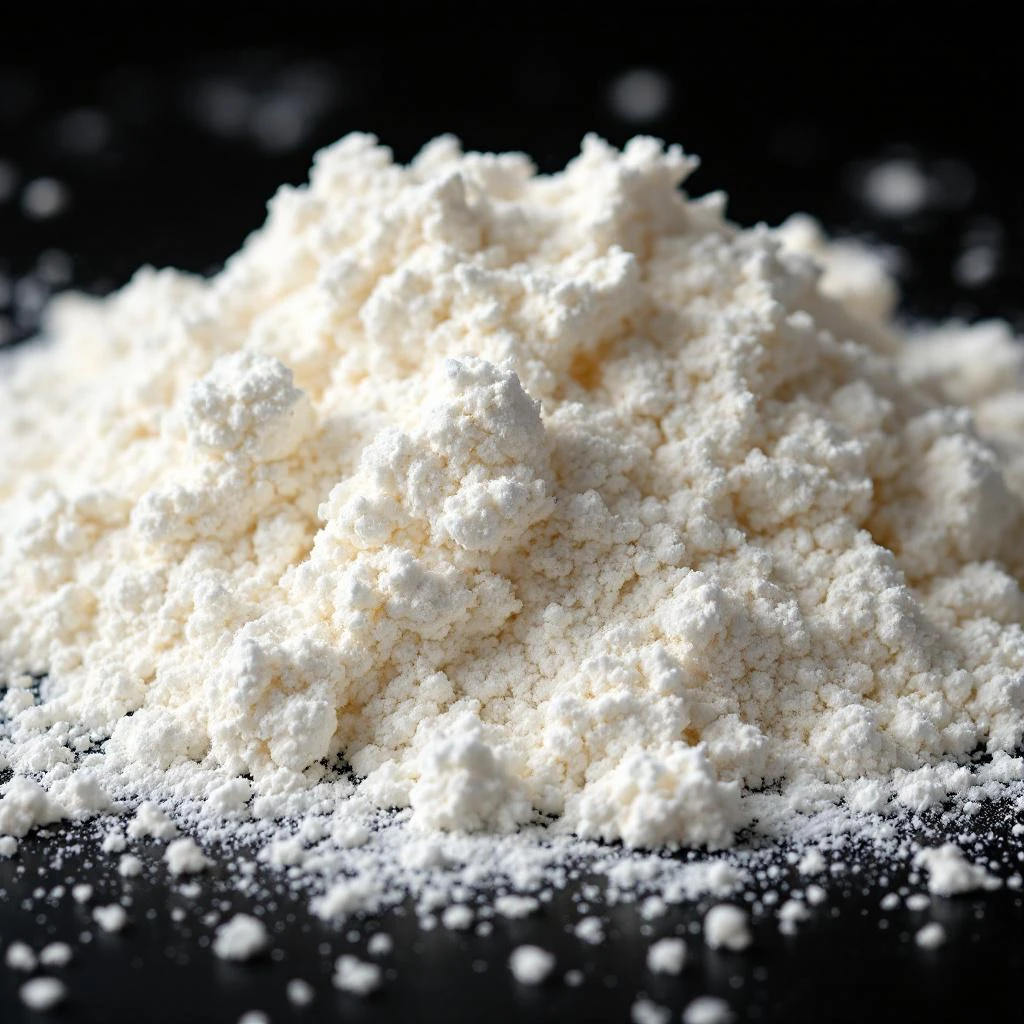
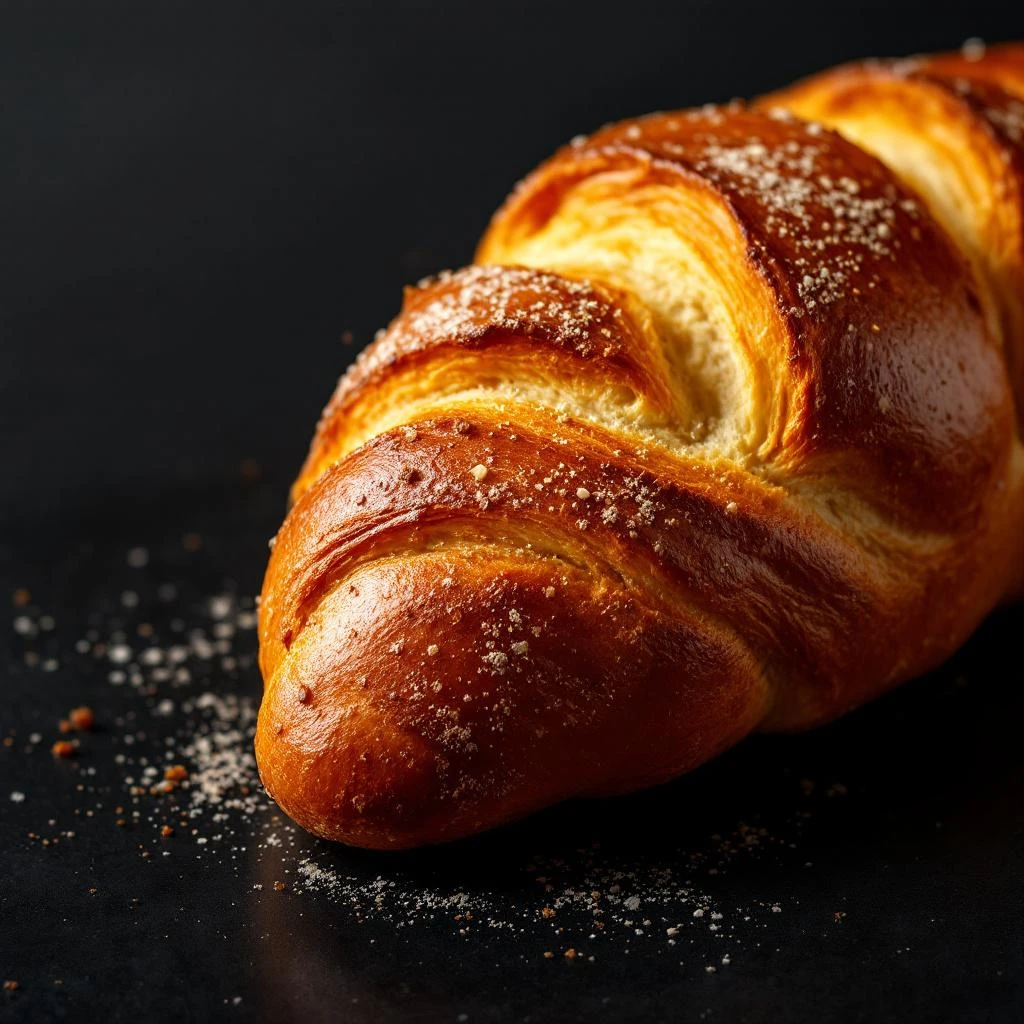
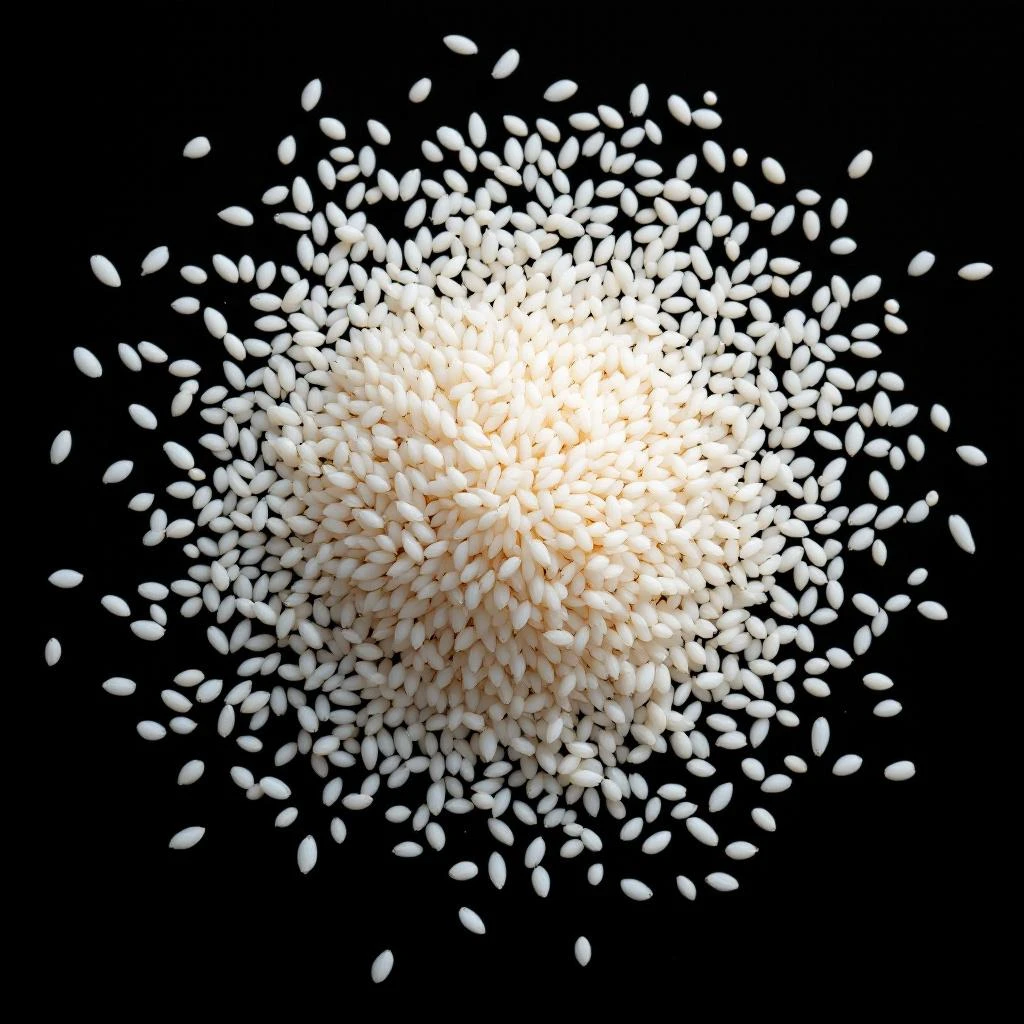
Flour adds a soft, powdery veil to fragrances, echoing the gentle rustle of wheat fields and the comforting warmth of freshly baked bread. Its subtle texture bridges sweet and woody tones, creating a nuanced backdrop for complex compositions.
Character
How it smells
Powdery warmth captured in a scent.
The first recorded use of wheat flour as a scenting agent appears in 12th‑century Arabic manuscripts, where perfumers mixed it with rose water to soften sharp aromas.




Origin
France
Ancient Mesopotamian artisans blended ground grain with fragrant resins to create incense that soothed both body and spirit. By the medieval period, Persian perfumers added wheat flour to rose‑based waters, softening sharp edges and adding a comforting earthiness.
In 18th‑century Europe, flour entered the realm of powdery perfume accords, where it complemented aldehydic and floral notes in courtly scents. The industrial revolution introduced mechanized milling, delivering uniform flour that perfumers could reliably incorporate.
In the early 1900s, French houses experimented with wheat‑derived absolutes, extracting aromatic compounds from wheat germ oil to achieve a refined, powdery nuance. Today, flour remains a niche but valued ingredient, prized for its ability to evoke nostalgia and tactile softness in modern fragrance design.
Wears it best
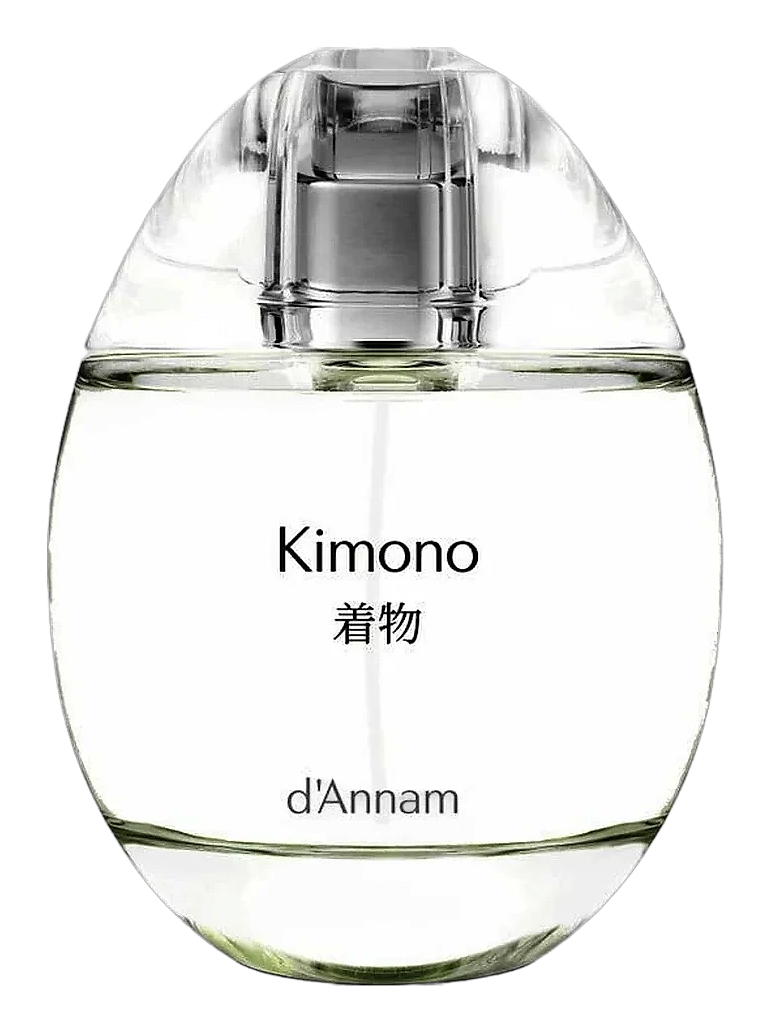
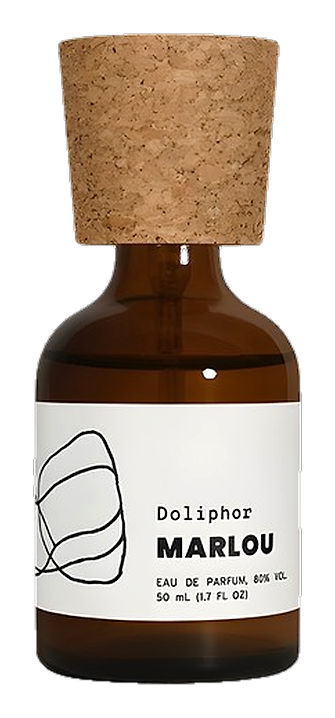
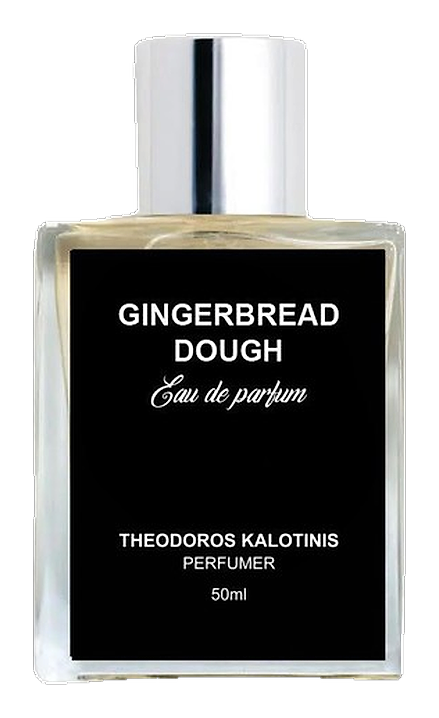
Fragrances featuring Flour
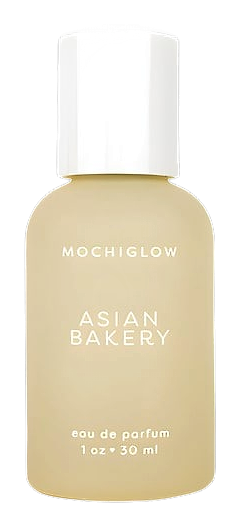
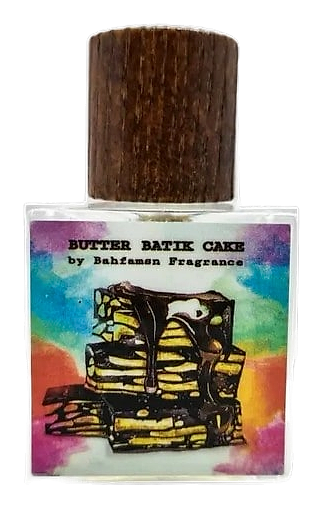
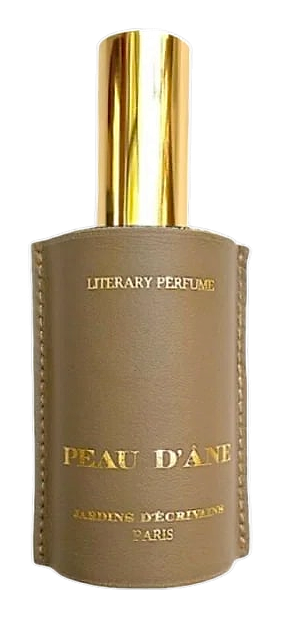
Brands
Brands known for Flour
Good to know
Questions, answered
The essentials on Flour in perfumery: how it smells, where it comes from, and how it behaves on skin.
What scent does flour impart in a perfume?
Flour provides a soft, powdery aroma that feels like warm wheat fields. A 2022 sensory panel measured its note as a low‑intensity, dry, slightly sweet nuance that rounds out sharper accords.
Is flour used as a natural or synthetic ingredient?
Flour is a natural ingredient derived from milled wheat grain. In 2021, the International Fragrance Association recorded over 3,000 registrations of wheat‑based extracts for perfumery.
How stable is flour as a note over time?
Flour remains moderately stable when protected from light and heat. Laboratory tests in 2020 showed a 15 % loss of its volatile fraction after six months in amber glass.
Can people with wheat allergies react to flour notes?
Flour notes are generally safe for most wearers because the aromatic extract contains minimal protein. A 2019 clinical survey found no allergic reactions among 112 participants exposed to wheat‑derived fragrance extracts.
How is flour prepared for perfumery?
We mill wheat kernels, sift the powder, then soak it in ethanol to pull out aromatic lipids. The solution filters, and the solvent evaporates, leaving a concentrated wheat‑derived essence.
Which fragrance families commonly feature flour?
Flour appears most often in powdery, oriental, and gourmand families. In 2023, 27 % of new powder‑type releases listed wheat‑derived notes in their ingredient sheets.
Does flour interact with other notes?
Flour smooths sharp citrus or aldehyde spikes, while it amplifies warm amber and vanilla tones. A blind test in 2021 showed a 12 % increase in perceived warmth when flour was paired with vanilla.
Is there a sustainable source for flour in perfumery?
We source flour from farms that practice crop rotation and low‑input agriculture. In 2022, a French cooperative reported a 20 % reduction in water use per kilogram of wheat compared to conventional methods.