The Story
Why it exists.
The beginning
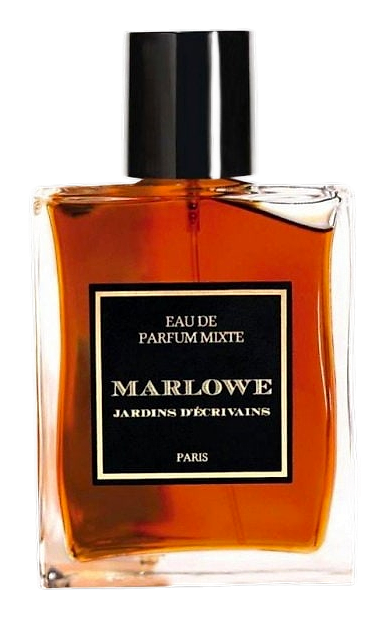
Marlowe arrived in 2015 from Jardins d'Ecrivains, and from the first spray it's clear this isn't a fragrance designed to court easy affection. Built around tuberose as its central material, the composition leans into what the flower does at its most unsettling, treating that 'poisonous nectar' as the creative thesis rather than a slot to fill. The opening is narcotic and theatrical, with the tuberose arriving at full volume before the rest of the architecture assembles around it. Osmanthus, myrrh, and a powdered leather accord anchor the progression, each one adding a different kind of weight rather than a different kind of sweetness.
What's striking about the tuberose here is what's been removed. Rather than letting the flower present its custardy, honeyed side and building vanilla warmth around it, the composition does something more surgical. One reviewer described it as 'the bold removal of the rich sweetness characteristic of flowers,' and that phrasing captures the intent. Elemi resin cuts in with a green, almost sharp brightness that keeps the opening from sliding into indulgence. Labdanum and oakmoss add a darker foundation, their resinous depth giving the floral something to push against.
The evolution
The opening is where Marlowe makes its demands known. Tuberose arrives narcotic and loud, not the polite white-floral version most people carry around in their mental catalogue of the note, but something greener and more insistent. Elemi resin pushes in alongside, adding a waxy tension that reads more like smoldering incense than the bright, clean resin some compositions offer. Osmanthus joins with a faintly bitter edge, turning the opening into something that feels closer to ritual than refreshment. As the composition moves forward, the narcotic intensity of the tuberose begins to settle. It doesn't vanish, but it loses its sting and dries into something more mineral and reserved. Myrrh deepens from beneath, its resinous warmth pulling the scent downward, while labdanum adds an ambered gravity.
Cultural impact
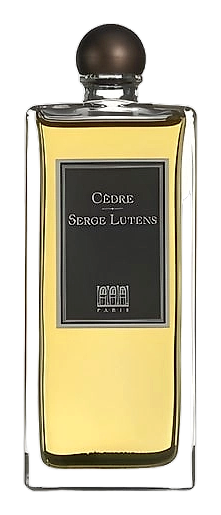
Marlowe has carved out a recognizable place among collectors who gravitate toward tuberose compositions that refuse to soften. It tends to surface in conversations alongside Serge Lutens' Cèdre and Amouage's Jubilation 25, fragrances that share a willingness to treat the flower as a serious, sometimes difficult material rather than something to prettify. The release has attracted a specific kind of wearer, someone drawn to florals with structure and backbone, perfumes that carry an edge and don't apologize for it. It's not a crowd-pleaser by design, and that seems to be part of the appeal.