The Story
Why it exists.
The beginning
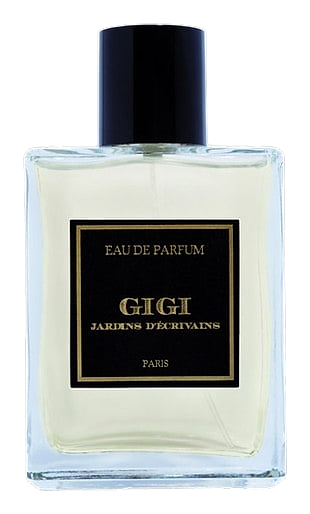
Gigi takes its name from Colette's 1944 novella, a story about a young woman in Paris circa 1900 who doesn't realize she's already the most captivating person in the room. She moves through the world simply, carelessly, without performing. The scent mirrors that same quality: white flowers at their most effortless, arranged not to impress but to exist. Anaïs Biguine built this fragrance around the idea that luxury doesn't have to announce itself. The white florals, tuberose, jasmine, orange blossom, are rich materials, traditionally associated with evening and formality. Here, they're worn lightly. Neroli lifts them. A whisper of blackcurrant keeps them grounded. The result is a scent that smells like someone comfortable in their own skin, which, if you've read the book, is exactly who Gigi is.
What makes Gigi work is the tension between richness and restraint. White florals are heavyweight materials, the notes that anchor perfumes like Fracas or Carnal Flower. Here, they're tempered by neroli and cut grass, which introduce a green, almost herbal freshness that keeps everything airy. The blackcurrant in the heart is the secret weapon. It adds a fruity, slightly tart lift that stops the florals from becoming precious or heavy. Think of it as the literary equivalent of Gigi herself, a character who belongs in elegant company but refuses to play by the rules of elegance. The drydown stays close: white musk and sandalwood, soft and skin-like.
The evolution
The opening arrives green and bright, cut grass first, then the citrus-floral punch of neroli. Orange blossom follows within minutes, bringing its characteristic bitter-sweet edge. This phase is brief, maybe fifteen minutes, but it's where the fragrance establishes its character: white florals with an edge of green. The heart is where Gigi settles. Tuberose and jasmine emerge, their creaminess amplified by the warm, slightly fruity lift of blackcurrant. This is the phase that reviewers describe as powdery, think orange blossom handcream. Soft, intimate, unexpectedly comforting. The drydown strips everything back to essentials: white musk and sandalwood. These are skin-like materials, not dramatic ones. Sillage drops to intimate, someone would have to be standing very close to notice. But what's there is warm, clean, and lingering. On fabric, it can last until the next morning.
Cultural impact
Gigi emerged during a period when niche perfumery began its decisive turn toward literary and artistic storytelling as a primary differentiator from commercial fragrance. Jardins d'Ecrivains, founded in 2012, positioned itself within a small cohort of French houses that rejected the blockbuster marketing model in favor of narratives drawn from writers and cultural figures. The 2013 launch reflected a broader cultural moment when consumers started treating fragrance as an extension of personal identity rather than a mere grooming choice. Gigi's restraint, its intimate sillage and powdery restraint, spoke to a growing fatigue with projection-driven compositions that dominated the previous decade.