



Heritage
A house, in its own words
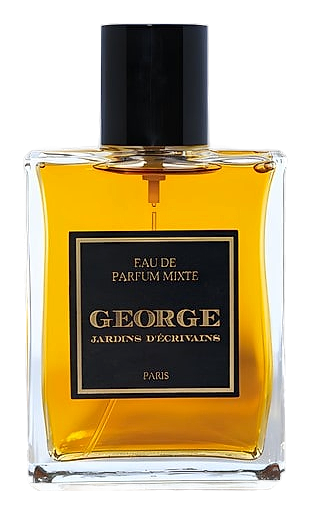
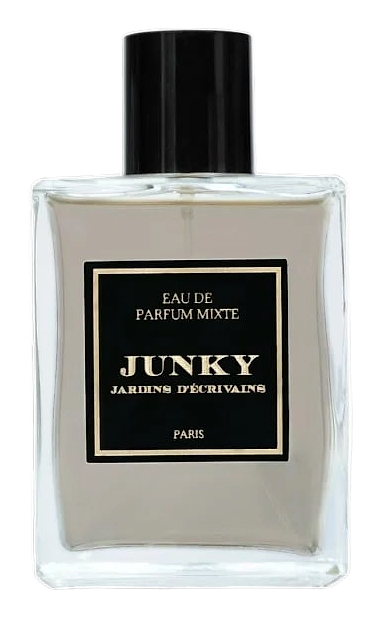
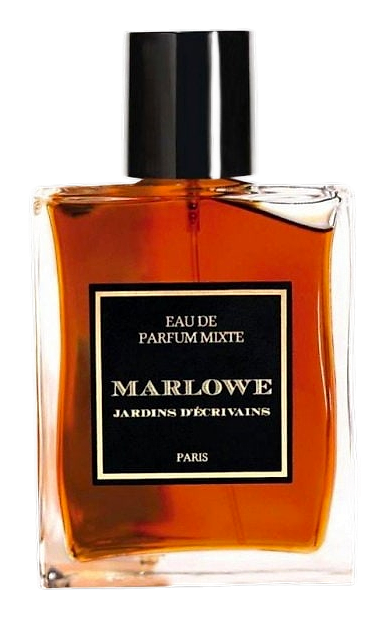
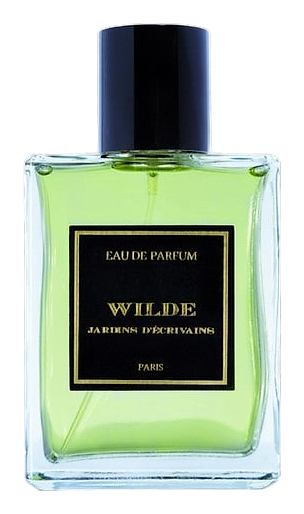
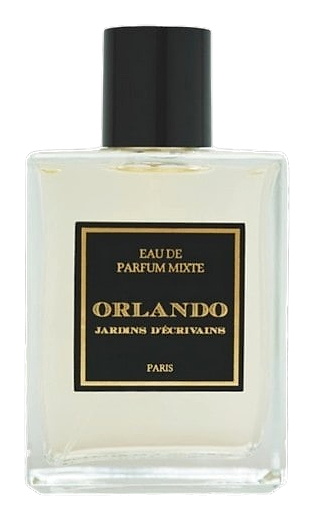
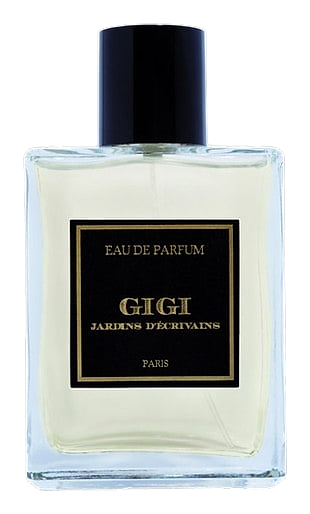
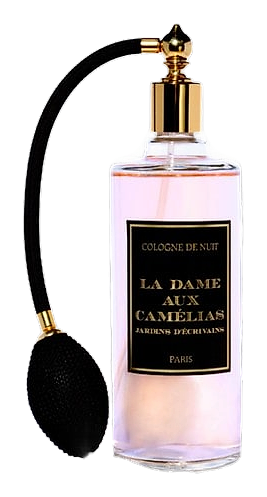
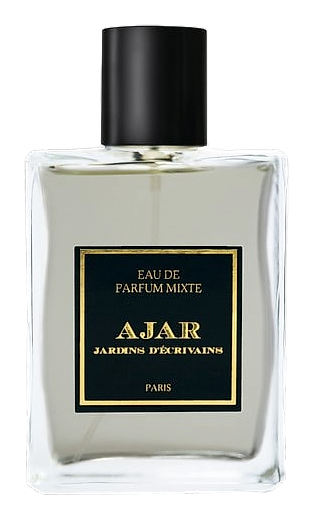
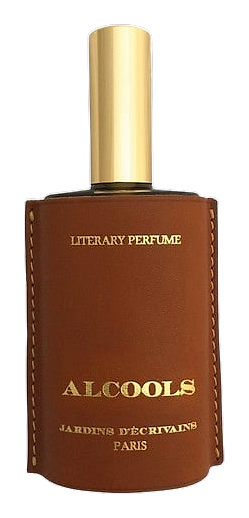
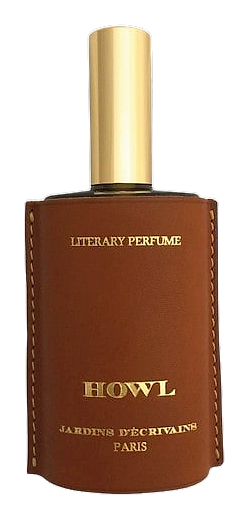
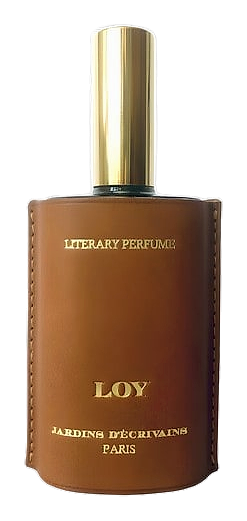
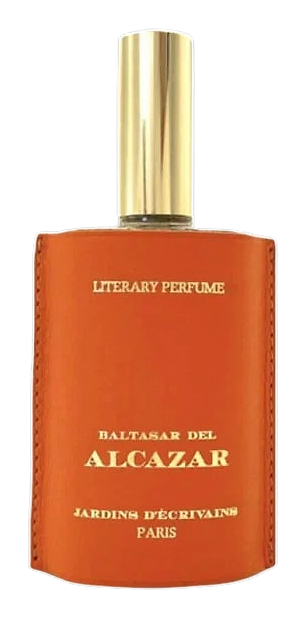
Anaïs Biguine established Jardins d'Ecrivains in 2012, initially focusing on scented candles before expanding into fine perfumery. George, named for the French novelist George Sand, became the house's debut fragrance and set the template for subsequent creations. The name itself translates to Writers' Gardens, a reference to the literary landscapes Biguine constructs through each scent. Based in the Marais, one of Paris's oldest and most culturally rich neighborhoods, the house draws on the city's deep literary heritage while establishing its own contemporary identity. The brand began with five initial fragrance concepts, each inspired by a different literary figure or character. Over the following decade, Biguine expanded the collection with releases including Marlowe in 2015, Ajar in 2017, and multiple 2018 launches including L'Eau De Leopardi, L'Eau De Kakuzo, Exil, and Alcools. More recent additions include Loy in 2019 and Zorba in 2021. The house maintains a physical presence in the Marais, where visitors can experience the full range of creations firsthand. Biguine's role as sole perfumer means she personally develops every formula, ensuring coherence between the literary concept and the final olfactory expression. Jardins d'Ecrivains operates from a conviction that literature and perfumery share a fundamental capacity to evoke memory, emotion, and imagination. Biguine approaches each fragrance as she would approach reading a beloved book, seeking the sensory and emotional truth beneath surface details. The writers and characters honored in the collection range from established canonical figures to more obscure literary personalities, reflecting Biguine's wide reading and personal attachments. The house describes its creations as evoking romantic temperaments and the intimate mechanisms of creative expression. Rather than translating plot summaries into scent notes, Biguine works to capture what she describes as the atmosphere surrounding a writer, the emotional weather of their work. This approach means each fragrance functions as a portrait of sorts, inviting wearers to experience literature through a different sensory channel. The brand rejects the conventional marketing language of the fragrance industry in favor of something more intimate and literary in its communication style.