
The Story
Why it exists.
The beginning
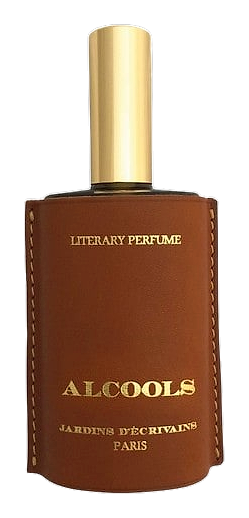
The name is the starting point. Alcools is the title of Guillaume Apollinaire's landmark 1913 poetry collection, a book that abandoned punctuation entirely, letting the words collide and breathe without the usual constraints. Birch and artemisia carry the bitter edge, artemisia being wormwood, the same plant that gave absinthe its dangerous reputation. The birch note arrives with sharp, smoky intensity while the artemisia contributes medicinal and slightly toxic qualities. Lilac appears as a floral component within the composition. Leather holds it all together, providing an anchoring base that bridges the aromatic complexity.
The combination of birch and artemisia is unusual precisely because it's not trying to please. Artemisia carries a bitter, almost medicinal quality, wormwood, the soul of absinthe. Birch brings smoke and leather in its rawest form. Lilac is present within the blend, adding a floral dimension. Tonka bean contributes a warm, amber quality that integrates with the other elements of the composition.
The evolution
The opening doesn't ease in. It arrives. Birch smoke hits first, sharp and immediate, followed by the bitter bite of artemisia that reads like cold air on bare skin. The leather emerges as the fragrance develops, not supple but taut, stretched across something warmer underneath. The lilac appears as the composition evolves, a breath of something almost tender in a composition that seems determined to challenge. The drydown belongs to benzoin and styrax: warm, resinous, close. The smoke doesn't disappear entirely. It settles into the base, whispering beneath the sweetness. The projection is bold in the initial stages before settling into something more intimate. The fragrance's longevity allows for extended wear throughout the day.
Cultural impact
Alcools takes its name from Guillaume Apollinaire's landmark 1913 poetry collection, a book that abandoned punctuation entirely. The literary framing and the absinthe connection create a specific appeal: a fragrance for those who find beauty in bitterness, who want a scent that tells a story. Its combination of birch smoke and artemisia places it among compositions that reward attention rather than instant gratification. It's not a fragrance for every occasion, but for the right person, it becomes the one they reach for.
The House
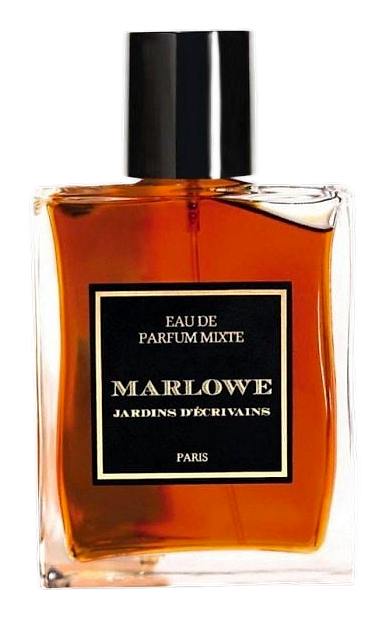
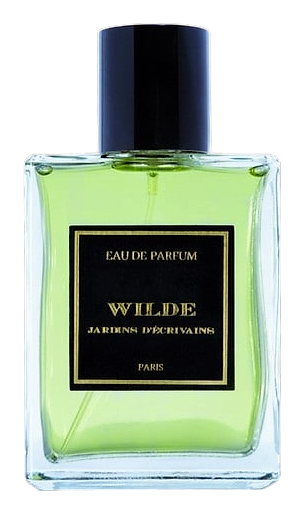
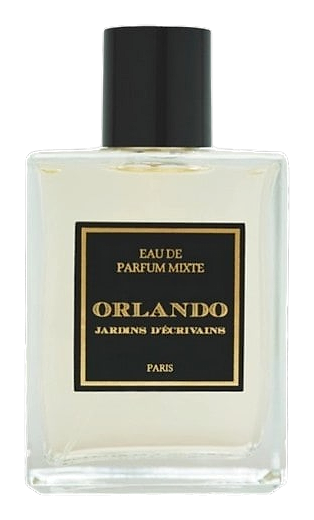
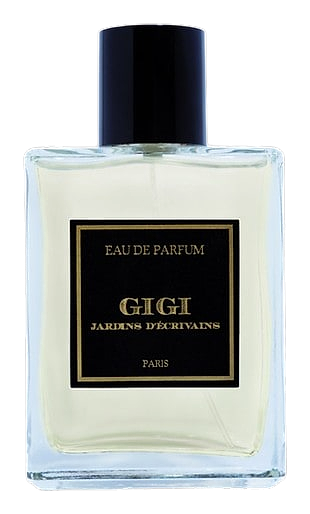
Jardins d’EcrivainsJardins d'Ecrivains is a French niche fragrance house that translates the spirit of celebrated literary figures into scent. Founded by perfumer Anaïs Biguine, the house operates from a boutique in Paris's historic Marais district. Each fragrance takes its name and emotional core from a writer, poet, or literary character, transforming the essence of their lives and works into olfactory compositions. The collection spans original perfumes launched from 2012 onward, alongside scented candles and body care products that extend the literary universe into everyday rituals.
The Creator
Anaïs BiguineIn the studio Biguine favors natural extracts that carry a strong sense of place—aged woods, dried herbs, vintage paper accords, and subtle animalic notes that suggest a writer’s lingering presence. She layers a base of amber or musk with a heart of literary‑inspired florals s…