
The Story
Why it exists.
The beginning
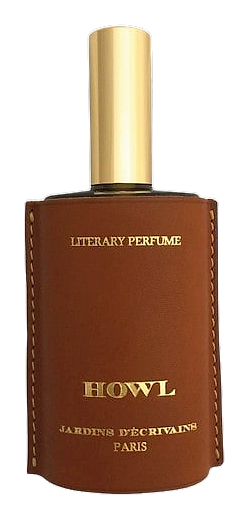
The name is Ginsberg's Howl, the poem that shook literary culture, born from a warm San Francisco breeze and read to packed auditoriums. The perfume translates that energy into scent: a warm evening breeze carrying Provençal lavender and thyme, the herbal clarity of late afternoon. Then tonka, cinnamon, geranium, amber. The drydown belongs to patchouli and musk, earthier, darker, more intimate. Biguine didn't reproduce the poem. She reproduced the feeling of it. Released in 2018, Howl joins the Jardins d'Ecrivains collection as a tribute to the poet who spent his life longing for something unnamed. The fragrance carries that same restlessness, beautiful, unconventional, slightly dangerous.
What makes Howl work is its structural tension: cool herbal top notes that smell like the south of France, warming into a heart that smells like afternoon light in a baker's kitchen. The tonka bean is doing heavy lifting here, it sweetens without making the composition syrupy. The geranium keeps the florals from disappearing entirely. By the time patchouli arrives, you've traveled from mountain herbs to something almost animalic, almost skin-close. The transition isn't gradual. It's a hand-off, clean and surprising.
The evolution
The opening announces itself immediately. Lavender and thyme arrive together, herbal, slightly camphoraceous, that distinctive Provençal clarity. It reads cool at first, almost medicinal. Then the geranium and tonka arrive, and everything shifts. The warmth is sudden, almost disorienting. Cinnamon gives it bite, but the tonka softens the edges. This middle phase smells like something sweet is being baked nearby, gourmand without being edible. The base is where patchouli does its work. Earthy, slightly bitter, undeniably present. The amber and musk wrap around it, adding warmth and intimacy. The drydown stays close rather than projecting, lingering on the skin with quiet persistence. You'll still catch traces on your sleeve the next morning, faint but unmistakable.
Cultural impact
Howl occupies a specific niche in the literary fragrance conversation: the Beat Generation. Biguine reached for something rawer, drawing from the San Francisco scene of the 1950s. The composition appeals to those who find conventional sweetness boring and want something with an actual point of view. It has a way of dividing rooms, of making people ask what you're wearing. That conversation, that slight frisson of controversy, feels entirely appropriate for a fragrance named after Ginsberg's masterwork.