The Story
Why it exists.
The beginning
Giacomo Leopardi’s poetry gives L’Eau De Leopardi its literary frame. Anaïs Biguine took the name and built a bright cologne around its expressive language of sun, light, and open air. L’Eau De Leopardi arrived in 2018, joining a fragrance line centered on literary figures. The composition speaks in a direct register: citrus first, green herbs close behind, and little else to blur their clarity. It feels like a line of verse reduced to scent, with Leopardi’s intensity held inside a clean, volatile spray.
The composition centers on neroli, verbena, and bitter orange. Neroli brings a floral-citrus softness, while verbena adds a cool, green herbal character. Bitter orange sharpens the blend with dry citrus and a lightly bitter edge. Together, the notes create a fragrance that feels green, clean, and lightly warmed, but never especially sweet. There’s no heavy base to anchor the opening or dense wood to make it feel formal. The citrus brightness lingers close to the skin as the softer neroli facets settle in, followed by verbena’s fresh herbal impression.
The evolution
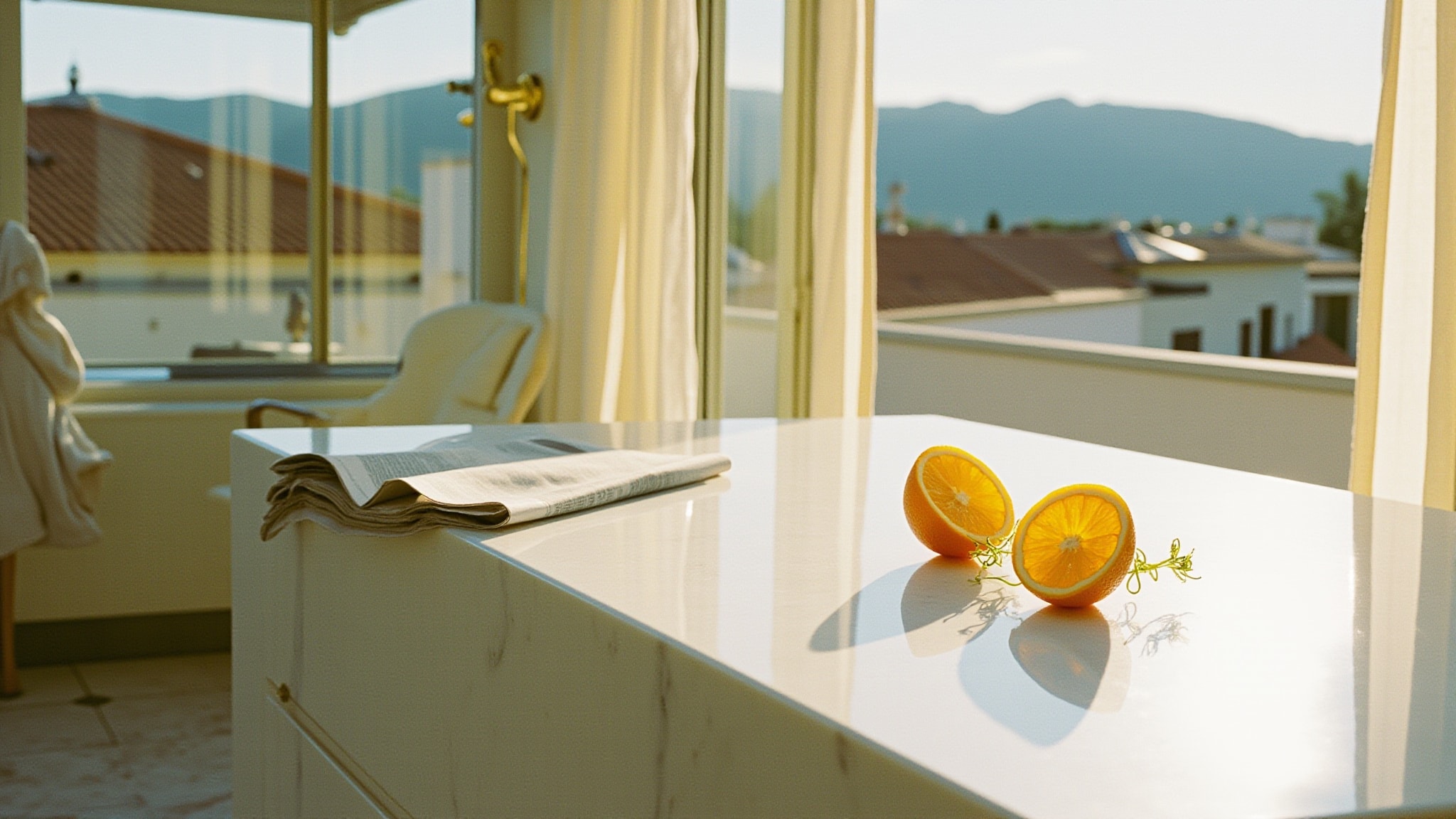
The first 30 minutes are almost aggressive in their brightness. Petitgrain and Sicilian orange hit with the green bitterness of orange-tree leaves and the sweet-tart snap of fruit still attached to the branch. It reads less like perfume and more like standing in a citrus grove in early morning before the sun cooks the air. Then the neroli arrives. White floral, but not sweet, more like the smell of orange blossoms after they've been bruised, releasing their oils into something warmer and slightly honeyed. The verbena surfaces around the 90-minute mark, herbal and cool, a counterweight to the neroli's fullness. By hour three, the composition has thinned into a drydown that smells like clean skin and faint green water. No resin. No musk worth naming. The cologne doesn't try to outlast its welcome, settling into a modest arc that rewards those who lean in rather than those passing by.
Cultural impact
L’Eau De Leopardi presents literature through scent rather than illustration. Its character comes from the fragrance itself: neroli gives the opening a polished floral brightness, bitter orange introduces a sharper citrus note, and verbena pulls the composition toward fresh herbs and green leaves. The result feels suited to close wearing, where the wearer discovers its changing layers at a comfortable distance. Neroli softens first, bitter orange remains crisp through the middle, and verbena leaves a clean herbal impression on skin.
The House
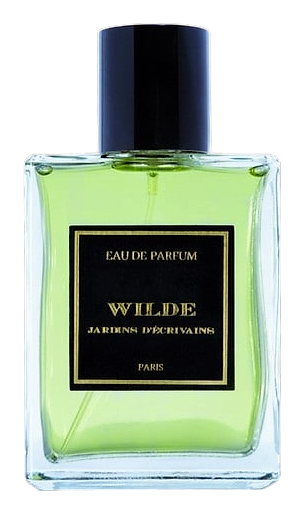
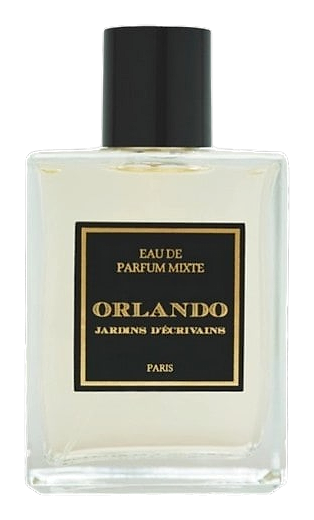
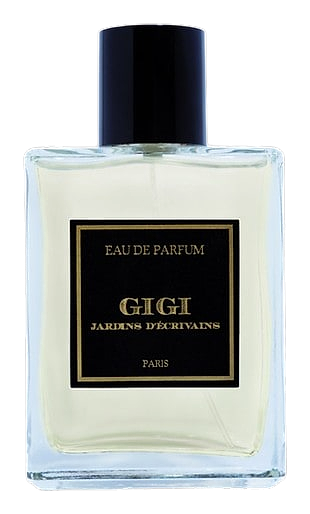
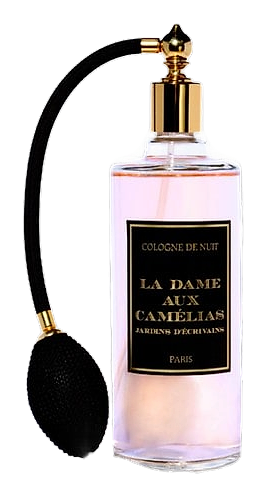
Jardins d’EcrivainsJardins d'Ecrivains is a French niche fragrance house that translates the spirit of celebrated literary figures into scent. Founded by perfumer Anaïs Biguine, the house operates from a boutique in Paris's historic Marais district. Each fragrance takes its name and emotional core from a writer, poet, or literary character, transforming the essence of their lives and works into olfactory compositions. The collection spans original perfumes launched from 2012 onward, alongside scented candles and body care products that extend the literary universe into everyday rituals.
The Creator
Anaïs BiguineIn the studio Biguine favors natural extracts that carry a strong sense of place—aged woods, dried herbs, vintage paper accords, and subtle animalic notes that suggest a writer’s lingering presence. She layers a base of amber or musk with a heart of literary‑inspired florals s…