Turpentine
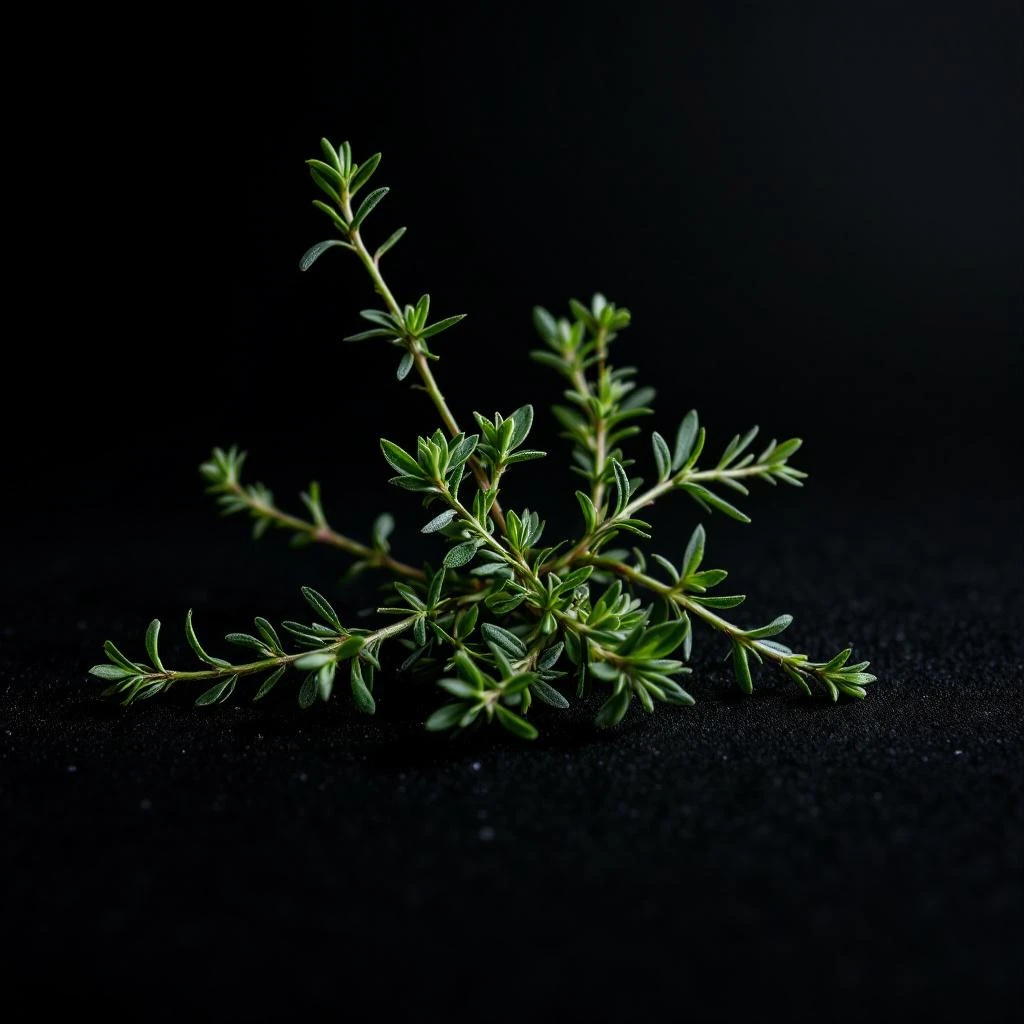
Turpentine, a pine-derived essential oil, offers crisp, resinous notes that anchor modern fragrances with natural vigor. Harvested from living pines, its bright pine‑needle aroma blends smoothly with woody and citrus accords, delivering a clean, invigorating lift in scent compositions.
Character
How it smells
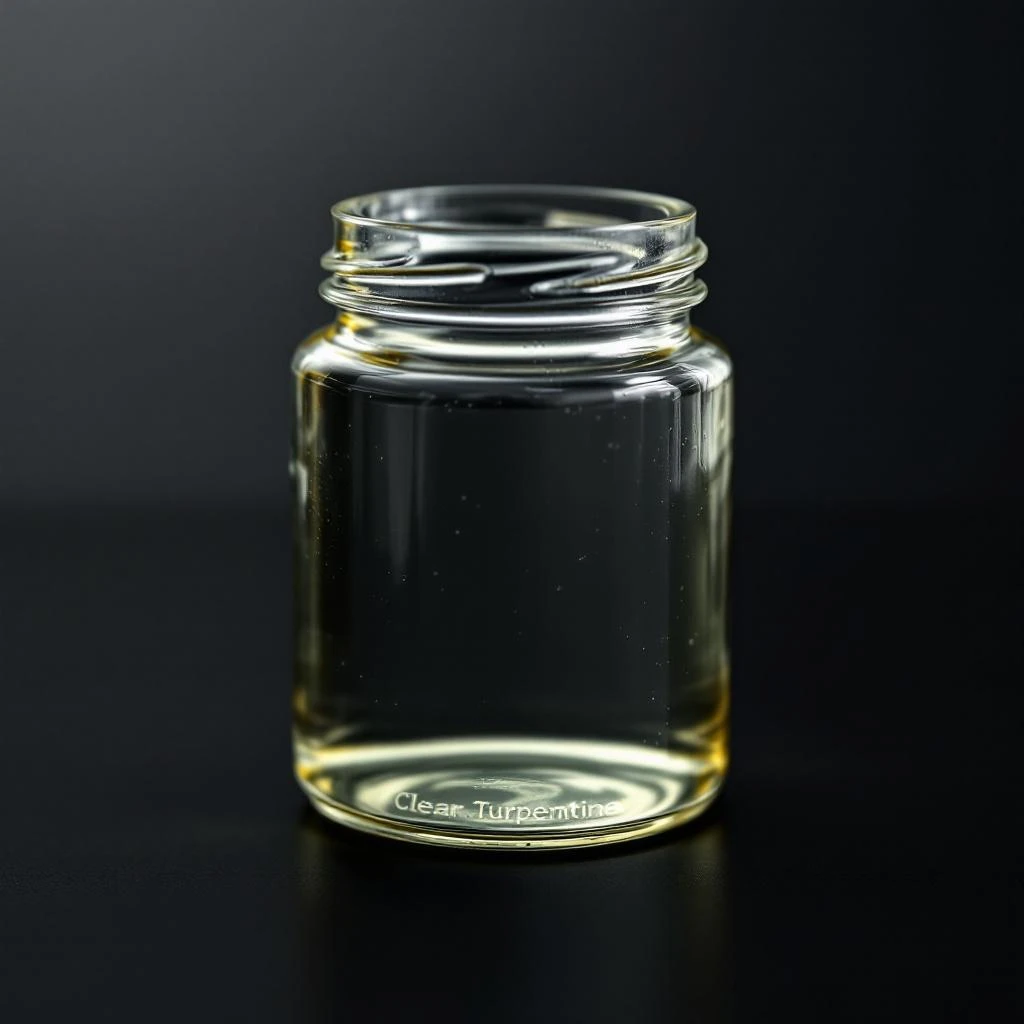
Pure pine vigor captured in a single drop.
A single mature longleaf pine can produce up to 30 liters of gum turpentine each year, enough to supply a small boutique perfume house for months.




Origin
United States
Turpentine entered the scent world through its early role as a solvent and disinfectant in the 19th‑century naval and medical fields. In the southern United States, especially Florida, workers scarred longleaf pine trees to tap gum turpentine, creating a booming industry that supplied shipbuilders and paint makers. By the early 1900s, the oil’s sharp pine aroma attracted perfumers seeking a natural top note, and it appeared in classic colognes such as Eau de Cologne No 5.
The rise of synthetic chemistry in the 1930s shifted focus toward laboratory‑made terpenes, but natural turpentine persisted as a reliable source of α‑pinene. After World War II, the pulp‑and‑paper sector produced sulfate turpentine as a waste stream, prompting chemists to up‑cycle this by‑product into fragrance ingredients. In the 21st century, sustainability concerns revived interest in gum turpentine, with modern farms adopting low‑impact tapping methods and fragrance houses highlighting its renewable profile.
Today, turpentine supports both traditional pine‑based accords and innovative green chemistry pathways.
Wears it best
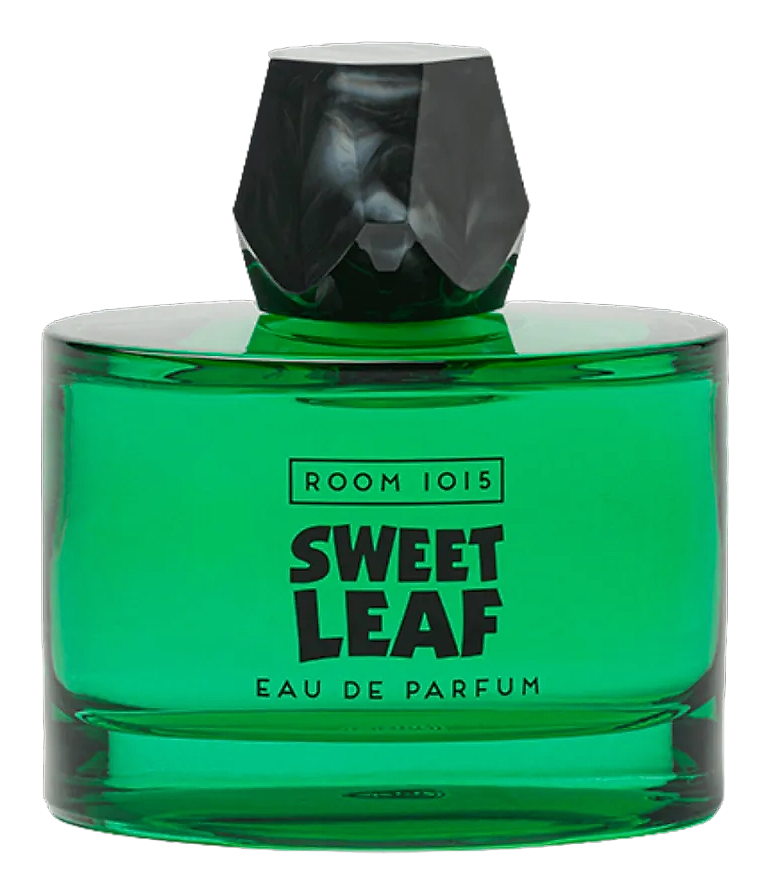
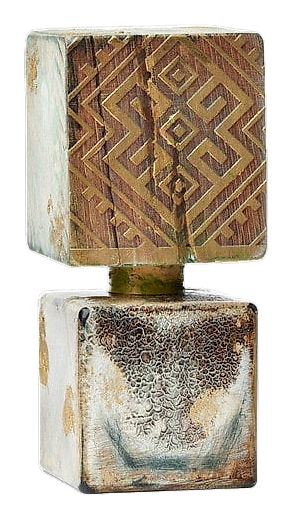
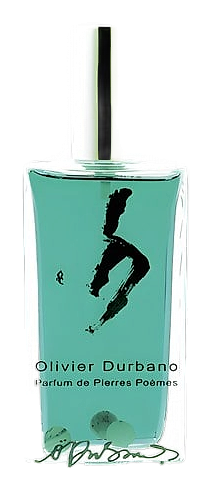
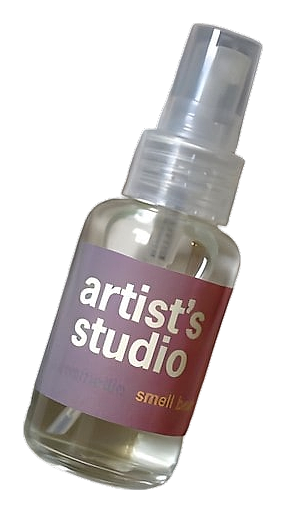
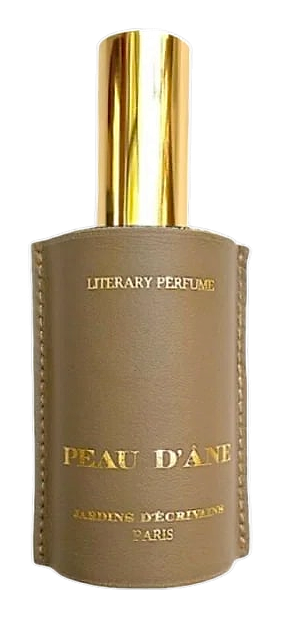
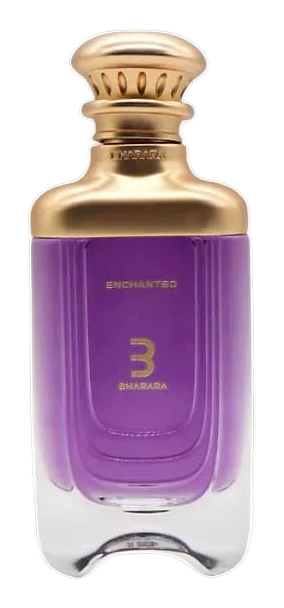
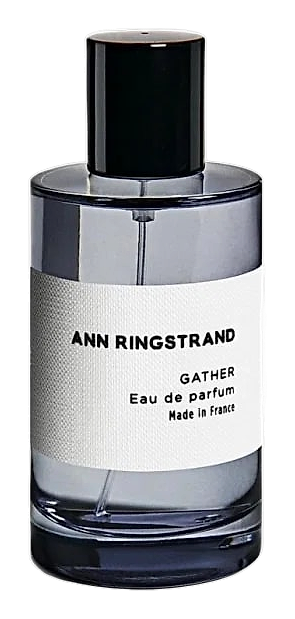
Fragrances featuring Turpentine


Brands
Brands known for Turpentine
Good to know
Questions, answered
The essentials on Turpentine in perfumery: how it smells, where it comes from, and how it behaves on skin.
What is turpentine in perfumery?
Turpentine is a pine-derived essential oil used as a top‑note ingredient. It provides a sharp, resinous pine‑needle scent that brightens blends. Its volatility allows it to evaporate quickly, leaving a clean finish. Data: The oil contains over 70 % α‑pinene, a key aromatic compound.
How is turpentine extracted?
Collectors tap living pine trees, make shallow cuts, and gather the flowing oleoresin. They then steam‑distill the resin, separating gum turpentine from water and rosin. In 2022, the United States produced 1.2 million kg of gum turpentine through this method.
Is turpentine safe for skin?
Pure turpentine can irritate skin and should be diluted before topical use. Regulations limit its concentration in cosmetics to 0.5 % in the EU. A 2021 safety review confirmed low sensitization risk when properly formulated.
What aroma profile does turpentine add?
Turpentine contributes a crisp, resinous pine‑needle character with subtle citrus undertones. It reinforces woody bases and lifts bright accords. A sensory panel measured its perceived freshness at 8.3 on a 10‑point scale.
Where does most commercial turpentine come from?
The United States, especially the southeastern pine forests, supplies the majority of commercial gum turpentine. In 2020, U.S. exports accounted for 55 % of global production volume.
What is the difference between gum and sulfate turpentine?
Gum turpentine is distilled directly from pine oleoresin, while sulfate turpentine is a by‑product of the kraft pulping process. Gum turpentine retains higher α‑pinene levels (≈70 %) versus sulfate turpentine’s 40 %.
How does turpentine support sustainability?
Harvesting oleoresin does not fell trees; workers scar the bark and the tree continues to grow. A 2019 study showed that sustainable tapping can maintain forest health while yielding up to 25 % of a tree’s annual resin output.
Can turpentine be synthetically reproduced?
Synthetic α‑pinene mimics the primary scent of natural turpentine, but the full aromatic complexity of the oil is difficult to replicate. Laboratory synthesis of α‑pinene achieved 99 % purity in 2023, yet most perfumers still prefer natural turpentine for authenticity.