The Story
Why it exists.
The beginning
Eau nacree arrived in 1920 as a women's Eau de Toilette from Jardin de France, with Expressions Parfumees Grasse credited as its perfumer. The available record doesn't reveal a named muse or a larger design story, so the composition itself carries the history. Its materials make a clear case for a watery white-flower idea: aquatic notes and galbanum establish a cool, green atmosphere, while lily, jasmine, tuberose, rose, cyclamen, and black pepper build a layered floral heart. The result feels less like a garden at noon and more like the first clean air after rain.
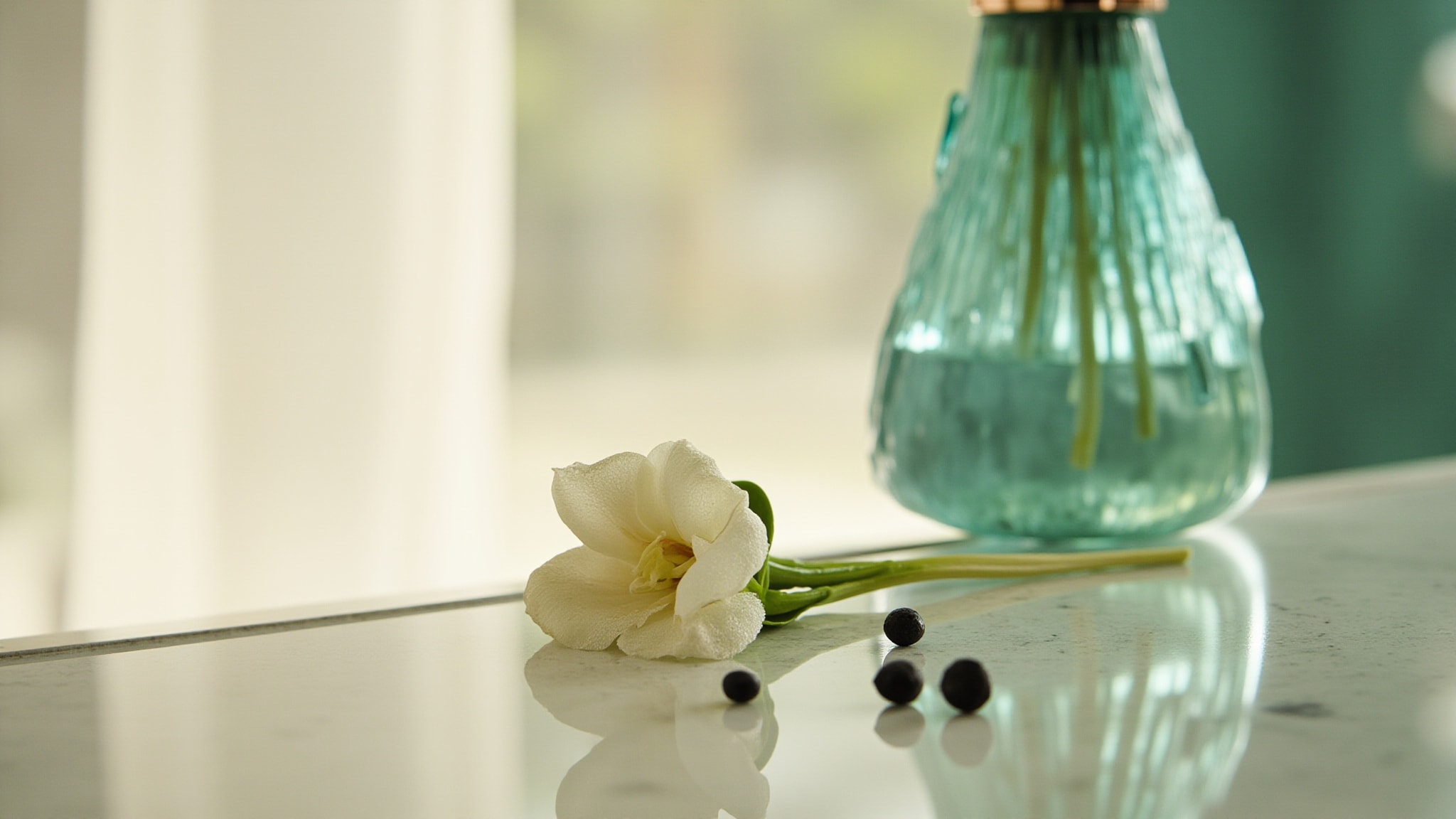
The composition is interesting because it keeps a crisp aquatic opening beneath a generous floral center. Galbanum brings the green, mineral edge; lily and cyclamen keep the whites airy, while jasmine and tuberose add creamy body. Rose prevents the bouquet from becoming one-note sweetness. Black pepper introduces a small flash of contrast, like peppercorn caught in damp petals. Cedarwood and vanilla then give the flowers a firmer landing, turning freshness into something more polished and wearable.
The evolution
Eau nacree begins with the visual quiet of cool water and a quick green snap. Aquatic notes make the first impression spacious, while galbanum adds a resinous edge that keeps it from feeling overly sweet. As the opening settles, lilies, jasmine, tuberose, rose, and cyclamen move into focus. The bouquet gains weight here, especially from tuberose and jasmine, while black pepper places a neat, savory punctuation beside the petals. Later, cedarwood draws a fine line through the softness and vanilla rounds the edges. On skin, the result follows a 4-6 hour arc, moving from watery brightness to a gentle floral drydown with moderate sillage. The surprise is how grounded the final impression feels: less like a passing shower and more like clean wood under white flowers.
Cultural impact
Eau nacree sits within Jardin de France's garden-inspired register, where floral materials are treated as part of a broader atmosphere rather than a display of spectacle. Its appeal is tied to the pleasure of a classic white-flower fragrance with a cool aquatic opening and a restrained woody finish, a combination that suits spring, autumn, and everyday wear.
The House
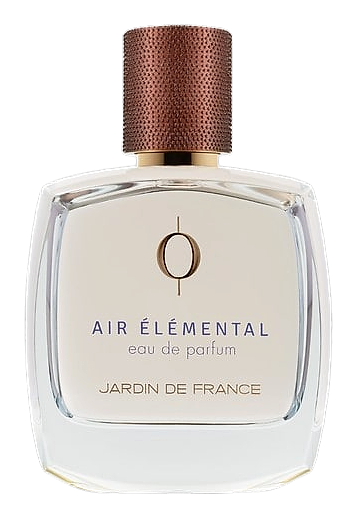
Jardin de FranceJardin de France is a French fragrance house that quietly curates scents rooted in the garden‑inspired heritage of its namesake. The portfolio reads like a stroll through a historic orchard, with classics such as Violette and Lilas sitting beside modern compositions like Air Elemental (2018) and Ouranos Eau Céleste (2014). Each bottle promises a moment of quiet discovery, whether the wearer seeks the crisp bite of ginger in Gingembre or the earthy calm of Vetiver. The brand remains modest in its public profile, yet its creations have earned a steady following among collectors who value consistency and a subtle sense of place.
The Creator
Expressions Parfumees GrasseThe signature of Expressions Parfumees lies in its layered architecture. A typical composition opens with a bright top, often a citrus burst or a sparkling aldehyde, then settles into a heart built from floral or aromatic notes that echo the region’s gardens.