
The Story
Why it exists.
The beginning
Isadora arrived as an oriental fragrance that carried a different sensibility. Rather than safe florals or predictable compositions, it presented itself with confidence. The name referenced Isadora Duncan, the American dancer who had made her mark in early 20th-century Paris. This was perfume as statement, something that refused conventional expectations. The fragrance stood apart from mainstream offerings of its era.
The note structure features mint and leather coexisting within the composition. The animalic notes, opoponax and musk, interact with the powdery iris to create a particular character that keeps the fragrance engaging. Bulgarian rose and jasmine form the floral heart, sitting against the resinous base. These elements create a specific tension that defines the fragrance. The combination isn't necessarily smooth, but it holds interest throughout the wear.
The evolution
The opening hits cold. Persian mint cuts through with that sharp, almost astringent quality, green in the way frost is green. Bergamot and orange blossom follow, brightening the air. The mint clears the space before the florals arrive. The heart phase belongs to Bulgarian rose and iris. The iris adds that powdery, slightly violet quality that slows everything down. Lavender deepens the florals without sweetening them. This is where the fragrance becomes intimate rather than announced, the phase that someone standing close will notice before you announce yourself. The drydown is leather-forward. Not sharp or chemical leather, warm leather, the kind that comes from skin rather than tanneries. Opoponax adds a sticky, honeyed balsamic note that modern fragrances rarely attempt. Vanilla and sandalwood keep everything soft underneath. The musk holds everything to the skin.
Cultural impact
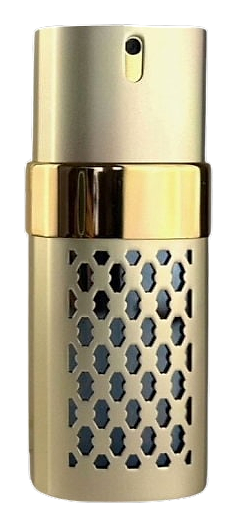
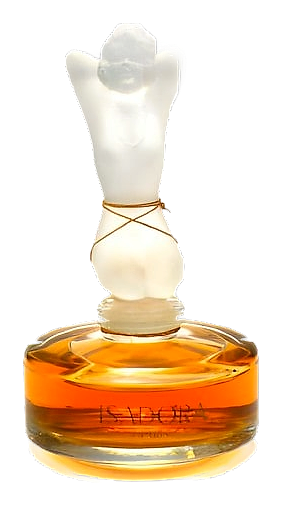
Isadora occupies a specific niche in the oriental family, warmer and more resinous than many contemporaries, with an animalic leather drydown that distinguishes it from simpler floral compositions. The fragrance remains in production, sustained by wearers who appreciate its character. Pierre Dinand designed the bottle, an association with French luxury perfumery craftsmanship of the era.