The Story
Why it exists.
The beginning
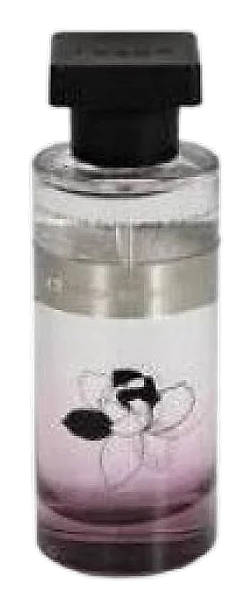
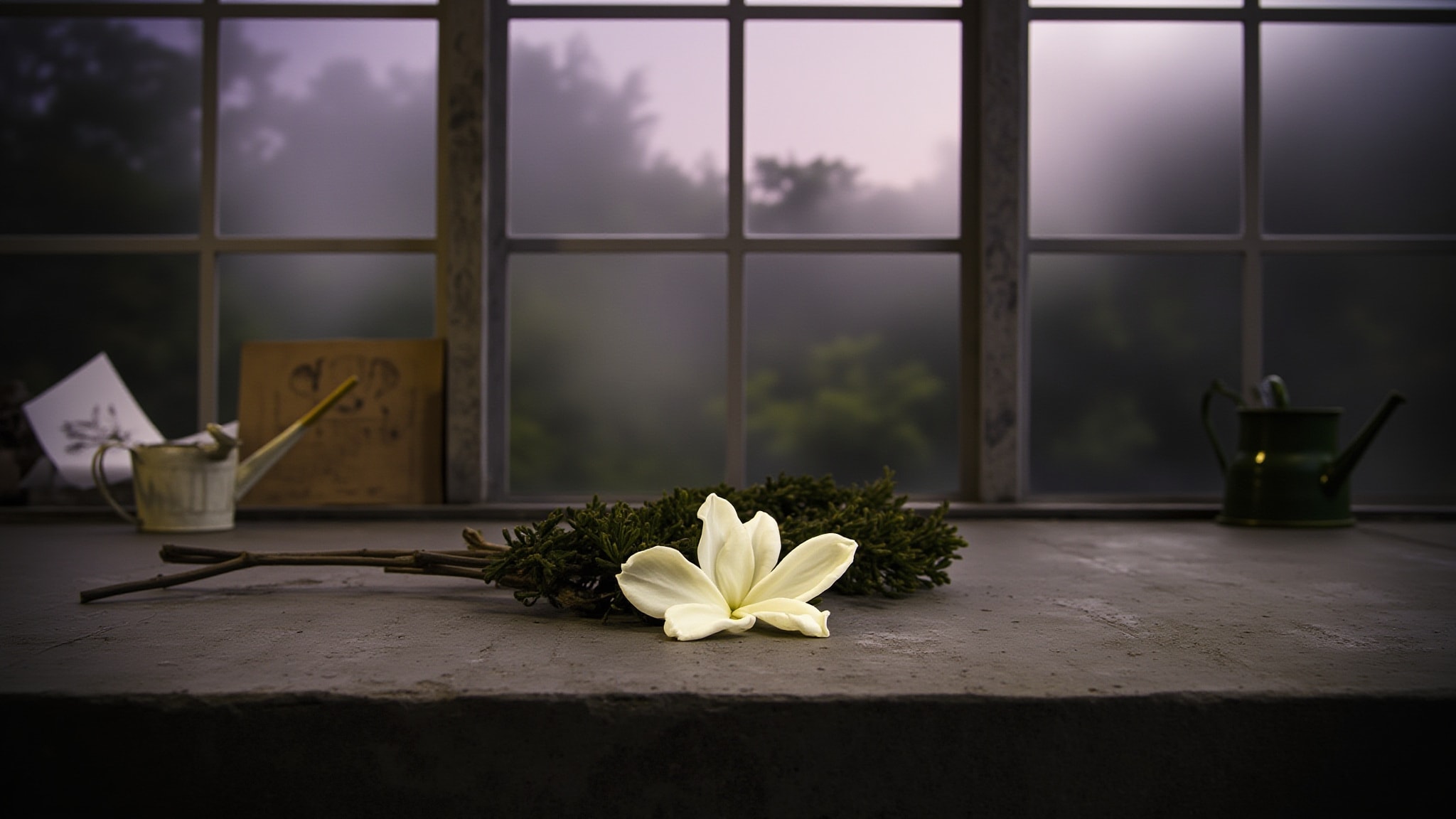
The year was 2012, and Hothouse Flower arrived like a breath of humid air trapped behind glass. Ineke Rühland, a perfumer with a reputation for compositions that read like short stories rather than product copy, turned her attention squarely to the botanical garden as subject. Where so many florals rely on prettiness alone, this one wanted the whole conservatory: the moisture on the leaves, the heaviness of the air, the way a single flower can fill an entire room when nothing else competes. The name does the work. Warm. Humid. Enclosed. Alive. A space where petals feel thick enough to touch, where green and white blur into each other, and where the wearer becomes the vessel carrying a small, breathing greenhouse wherever they go.
What makes Hothouse Flower interesting isn't the gardenia itself. Plenty of fragrances center the flower. What Rühland does is treat it as a living thing rather than a pretty idea. The galbanum and cypress pull green sap and chlorophyll into the composition, fig gives it that lactonic sweetness gardenia naturally carries, and Earl Grey tea adds a tannic, slightly smoky backbone that keeps the whole thing from collapsing into pure floral. It's a soliflore with teeth. The absinthe and frankincense in the heart keep it nocturnal, slightly medicinal, a flower that knows what's growing underneath the petals.
The evolution
The first ten minutes belong almost entirely to the greens. Cypress, galbanum, the bright bitter snap of new leaves, all before the gardenia has fully arrived. Then it blooms, creamy and coconut-edged, and for the next hour or two you're inside the flower itself: lush, waxy, almost edible. The fig in the heart stops it from going too pretty, adding that milky-green fruit note that keeps the gardenia honest, grounding its sweetness with something vegetal and slightly underripe. By hour three the tea starts asserting itself, softening into something more like steeped leaves left in a porcelain cup, the kind of warm tannic hush you get when a teabag has been forgotten on a saucer. The frankincense and absinthe from the heart linger as resinous low notes, a whisper rather than a hum.
Cultural impact
Hothouse Flower earned attention for its gardenia soliflore approach, green rather than creamy, leaning into the leafy, humid qualities of the flower rather than the indolic sweetness that dominates most gardenia-centric launches. That choice, treating gardenia as a living plant rather than a dessert, gave the fragrance a distinct identity among floral offerings, and it continues to attract wearers who read the notes list first. The fragrance suits someone who already knows what they want from a composition and doesn't need to be sold on a name.