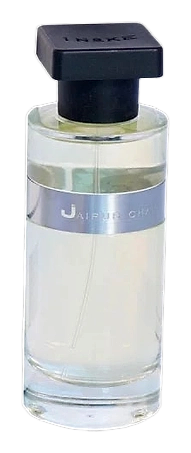

The Story
Why it exists.
The beginning
The name comes from Jaipur itself: pink buildings, spice markets, the chai culture woven into daily life there. This isn't an Indian-themed fragrance. It's a chai fragrance, and Ineke chose black tea as the base, not milk, which makes all the difference. Less lactonic comfort, moreish pull, more staying power. The idea took shape during rainy afternoons in San Francisco, where chai lattes provided warmth and the drumbeat of rain on glass provided atmosphere. Spices balanced against cool, wet air. That's the quiet heartbeat here.
What makes this composition interesting is the black tea. In most chai interpretations, the lactonic note dominates, steamed milk, cream, sometimes coconut. Jaipur Chai uses black tea as its foundation instead, which gives the drydown something cleaner and slightly astringent. The woody heart of cedar and guaiac wood keeps the sweetness from taking over. Suede appears late and lingers close to the skin, which is unusual, more often suede functions as a structural note. Here it's the final impression.
The evolution
The opening runs warm and immediate. Cardamom and cinnamon arrive bright, and clove adds depth, that slightly medicinal, almost camphorated warmth that makes chai feel like medicine and comfort at once. The black tea arrives quickly, keeping things grounded. No milk fat to round the edges. The heart shifts into cedar and guaiac wood within 30 to 45 minutes. The wood is dry and resinous, and it cuts through the sweetness that opened with the spices. There's a rose note here, subtle, almost imperceptible at first, a reference to the pink buildings Jaipur is known for. It doesn't read as floral so much as a slight tonal shift, a softness underneath the dry wood. The drydown arrives around the two-hour mark: vanilla cream softening the spices into something warm and close, suede lending texture and a slightly worn quality, musk keeping the whole thing Intimate and near. The sillage is moderate throughout. Projection drops after the first hour. By the end, it's skin-close, the kind of fragrance you catch yourself on, then wish you hadn't washed it off.
Cultural impact
The niche fragrance market lacked a chai that didn't lean on heavy lactonic notes for its comfort. Most chai interpretations rely on steamed milk or coconut for creaminess. Jaipur Chai fills that gap with a woody, more restrained interpretation, warm spices, creamy vanilla, woods, the essentials without the excess.