The Story
Why it exists.
The beginning
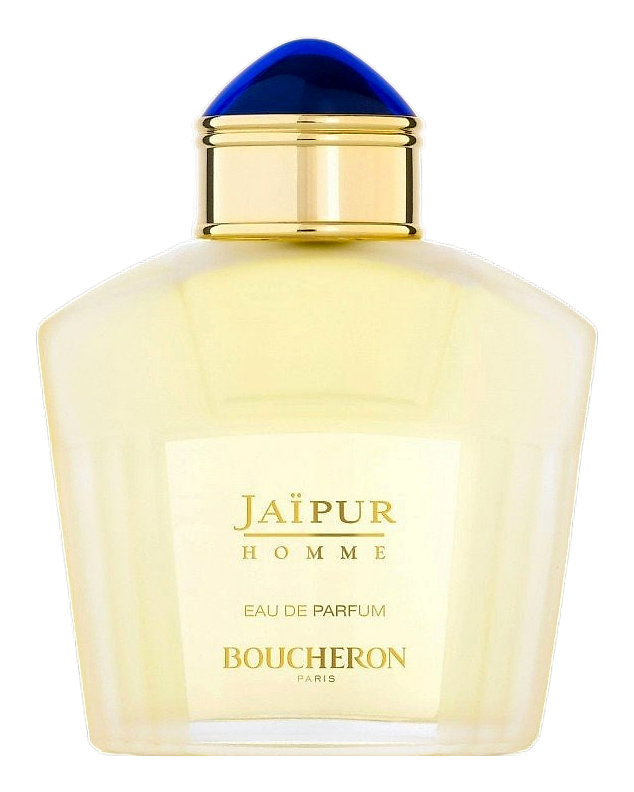
The name comes from the Indian city, Jaipur, Rajasthan, the Pink City. Sophia Grojsman and Jean-Pierre Mary built this perfume around a central tension: how to make orient-inspired richness feel approachable rather than overwhelming. The answer was powder. Heliotrope, orris root, lily of the valley, these materials don't shout. They hover. They make the sweetness of peach and plum feel like memory rather than statement.
The carnation in the heart is the tell. That's the warm spice that separates this from a simple floral. Combined with the peony and rose, it creates a powdery floral richness that feels classic without being dated. The fruit, plum, apricot, peach, arrives first, juicy and direct. Then the florals take over. By the time the sandalwood and vanilla arrive in the drydown, the fragrance has transformed twice. What lingers is warm, soft, and close to the skin for hours.
The evolution
The opening announces itself immediately. Peach, apricot, plum, pineapple, a lush fruit cocktail tempered by freesia's cool green undertone. It reads fresh, almost light. But the sweetness doesn't wait. Within minutes, the fruit deepens, the florals emerge, and the powdery quality begins to build. The heart is where Jaipur earns its reputation. Rose, peony, carnation, orris root, these materials don't compete. They layer. The heliotrope and lily of the valley add a clean, powdery finish that feels both vintage and timeless. By the time the drydown arrives, the fruit has receded completely. What remains is sandalwood, vanilla, benzoin, amber, and musk, a warm, intimate presence that lingers close to the skin for hours. This is a fragrance that doesn't fill a room. It marks its wearer.
Cultural impact
Jaipur arrived in 1994 as a warm, powdery floral that captured the late-'90s preference for accessible luxury. Its blend of fruity sweetness and intimate drydown made it a quiet bestseller, worn by women who wanted presence without projection. The fragrance predates the rise of social media fragrance culture and exists outside the current discourse around niche or viral scents, maintaining its relevance through department store counters and loyal wearers who return to it decade after decade.