
The Story
Why it exists.
The beginning
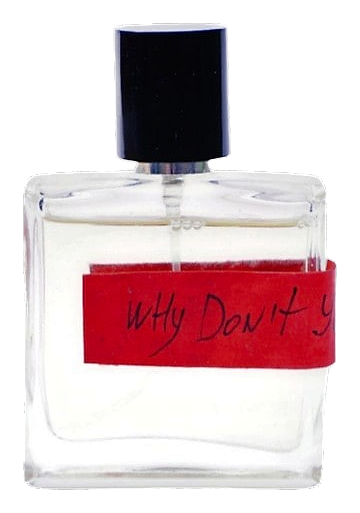
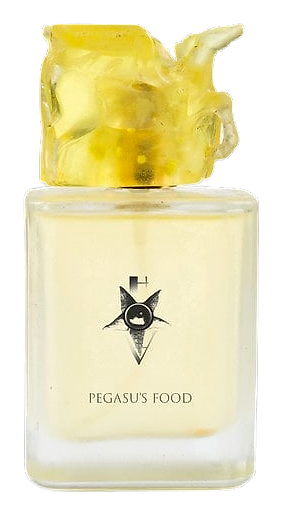
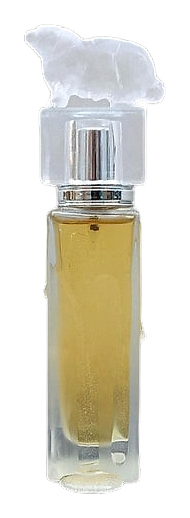
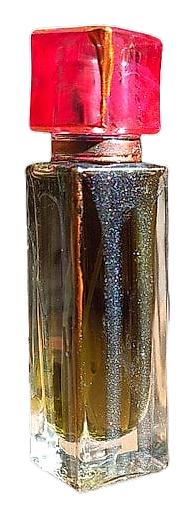
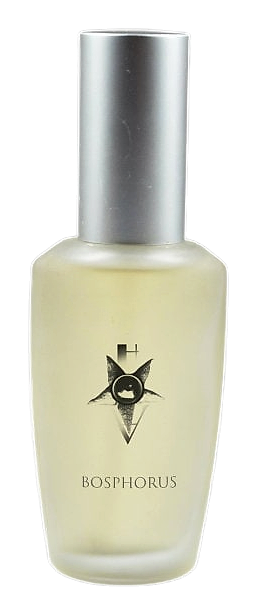
Shatavar arrived in 2026 as part of House of Atropa's Vintage Series, a limited run of fragrances auctioned through the brand's own public sales rather than distributed through conventional retail. The name borrows from shatavari, the asparagus racemosus plant used in Ayurvedic medicine for centuries, a fitting reference for a composition that opens with asparagus and builds from there. Lisa Andrék is credited as the nose behind Shatavar, working within the house's broader creative vision for the Vintage Series releases. The fragrance sits within a catalog of named pieces like Crystal Herb, She Is Cat, and Why Don't You Wear a Suit, each one reading more like a statement than a traditional perfume title.
What makes Shatavar structurally unusual is the collision of vegetable, mineral, and gourmand materials in the same space. Asparagus in a top note is almost unheard of, a green, slightly bitter vegetal snap that reads more like snapped stalks than like a perfume ingredient. The heart layers sea shells and seaweed with caper and cherry, creating a briny-pickled-sweet tension that doesn't resolve into anything familiar.
The evolution
The opening is vegetal and cool, violet and asparagus doing something closer to a damp garden than a perfume counter. The violet has a powdered, slightly candied quality, dusted and faintly sweet, while the asparagus brings a green bitterness that grounds it in something raw and stalk-like. As the asparagus recedes, the violet persists, and the sea notes begin to surface, shell and salt and a briny edge that builds without ever becoming clean or ozonic. Caper introduces a pickled, almost caper-berry sharpness, cutting through the softness of the violet, while cherry sits underneath, dark and slightly medicinal, not the syrup of a gourmand. The middle phase reads as tide pool, shell, salt, brine, a green edge that could be seaweed or could be the asparagus refusing to leave entirely.
Cultural impact
Shatavar is part of House of Atropa's Vintage Series, released through public auction rather than traditional distribution, a model that frames each release as a finite, numbered object. Within a catalog of named pieces like She Is Cat, Tesseract, and Why Don't You Wear a Suit, Shatavar reads as the botanical-mineral outlier, the one that smells like a place rather than a personality, evoking a coastal garden or a tide pool more than a mood or a persona. The auction format and the limited run reinforce the sense that this is a piece made for attention and intention, not for casual wear.
The House
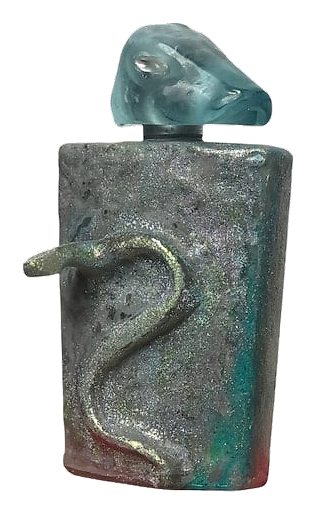
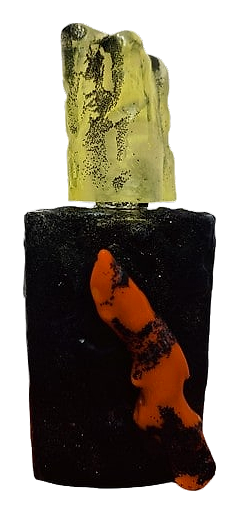
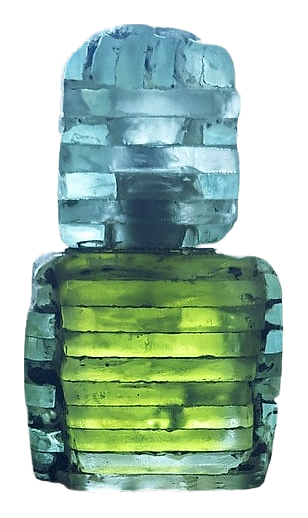
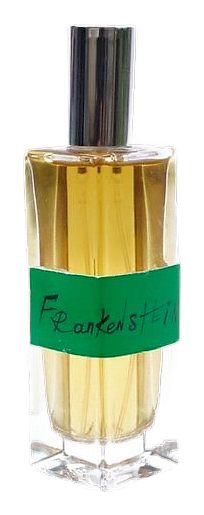
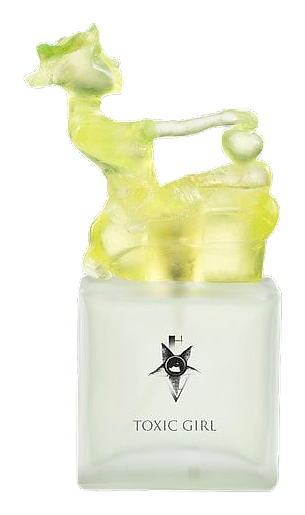
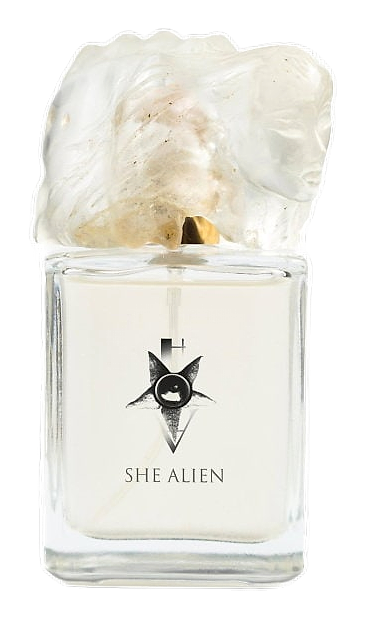
House of AtropaHouse of Atropa is an independent fragrance house founded by Elisabeth Andrék, a perfumer and glass designer of Georgian and Armenian heritage. Based in what appears to be a cross-Caucasus creative practice, the house produces perfumes and complementary jewelry pieces. The brand draws its name from the Atropa genus of plants, which includes Atropa belladonna, commonly known as deadly nightshade. House of Atropa has released over a dozen fragrances since 2021, with names that range from the literal (He Is Fish, She Is Fish) to the conversational (Why Don't You Wear a Suit, Honey I Bought a House!) to the conceptual (Tesseract, Lucid, Frankenstein). The house is associated with a nose named Lisa, and its earliest documented fragrance, Crystal Herb, appeared in 2021.
The Creator
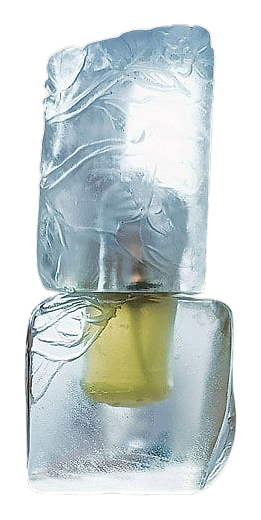
Elisabeth AndrékAndrék's style is difficult to pin down precisely because her work resists categorization. Her handmade glass bottles suggest an artisanal approach: irregular, personal, crafted rather than manufactured.