Bulletwood Tree
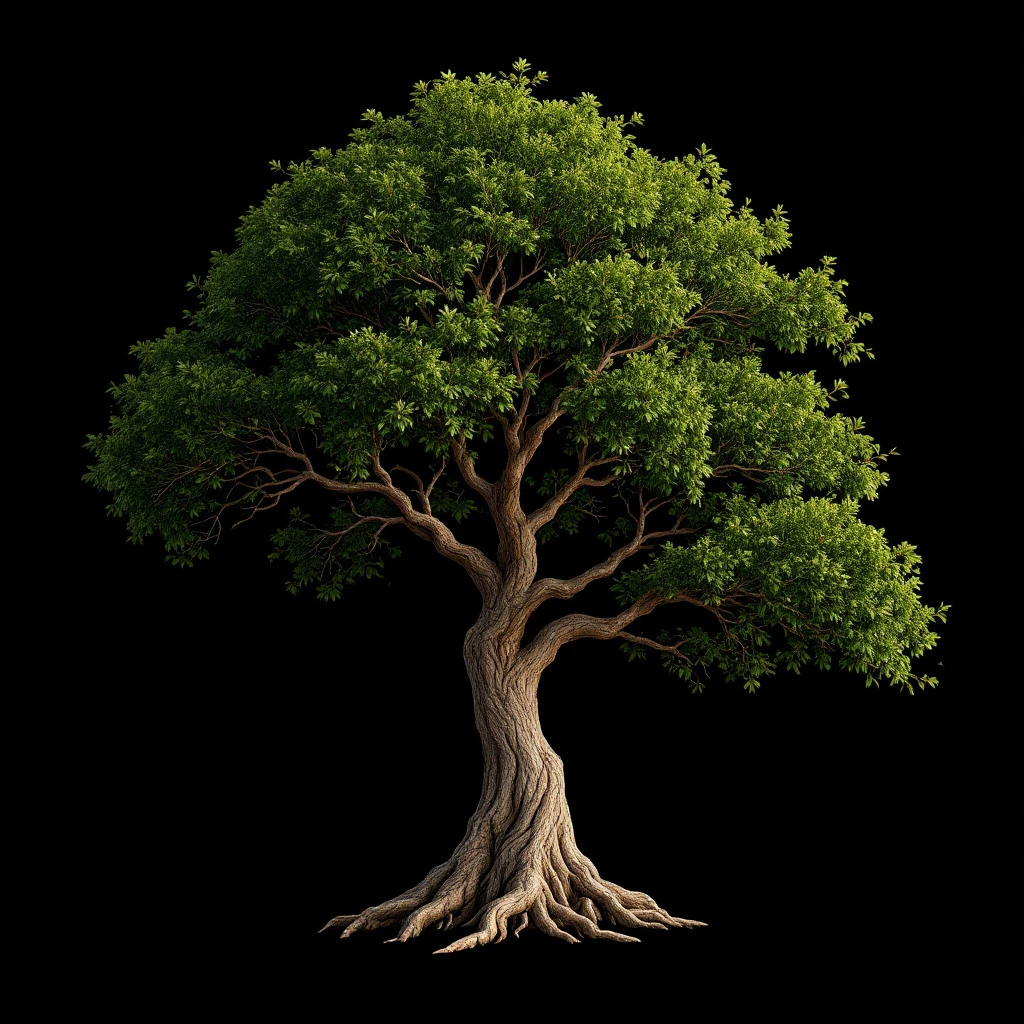
Bulletwood tree (Manilkara bidentata) yields no commercial essential oil, yet its dense tropical timber and historical latex once shaped industries from shipbuilding to chewing gum. A botanical footnote, not a perfumery staple.
Character
How it smells
A tree without an oil, rich in history
Bulletwood latex served as an early chicle substitute for chewing gum production and was boiled down to waterproof cables for maritime use in the 19th century.
Pairs beautifully with
Origin
Brazil
Bulletwood, or Manilkara bidentata, stands as one of the tallest trees in the Caribbean and northern South American rainforests, sometimes reaching 50 meters. Indigenous communities across the Amazon basin and the Guianas used its latex for generations, applying it to waterproof baskets, tools, and hunting implements. European colonists in the 18th and 19th centuries recognized the latex's commercial potential, exporting it as a rubber alternative and as chicle for early chewing gum formulations.
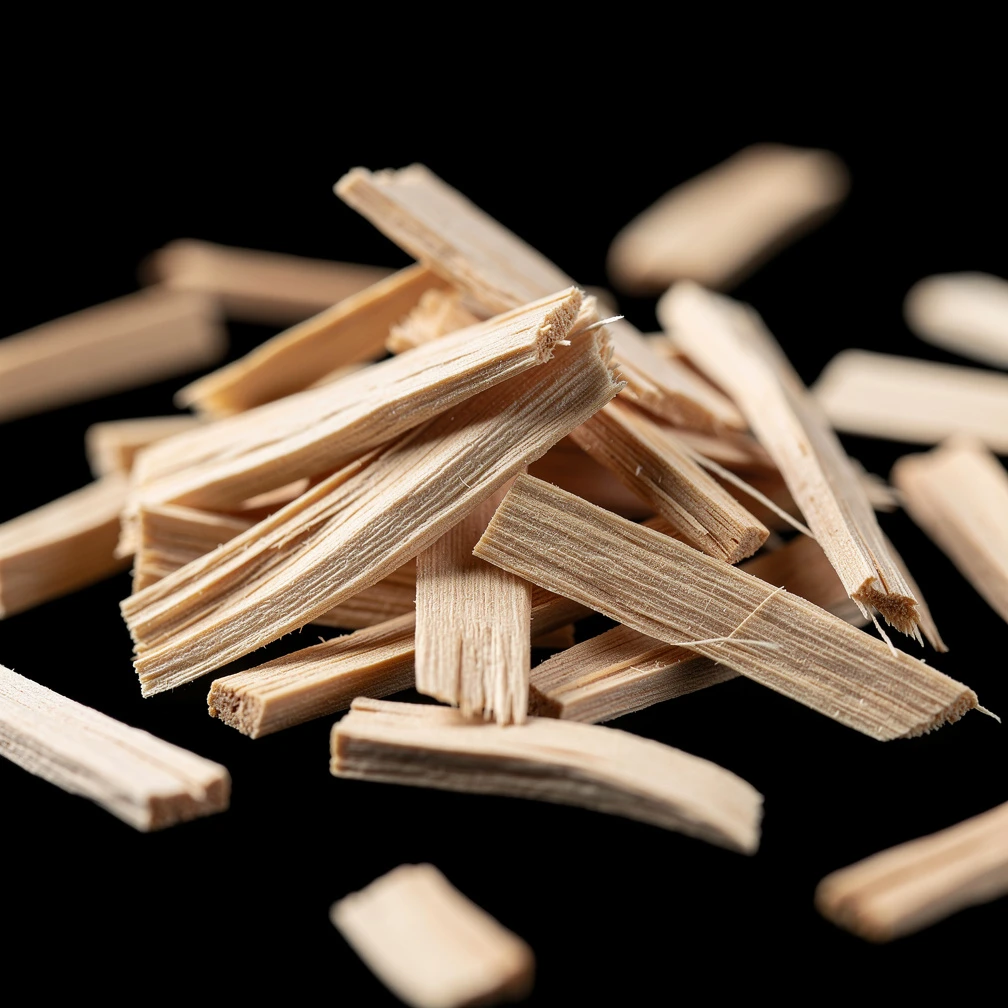
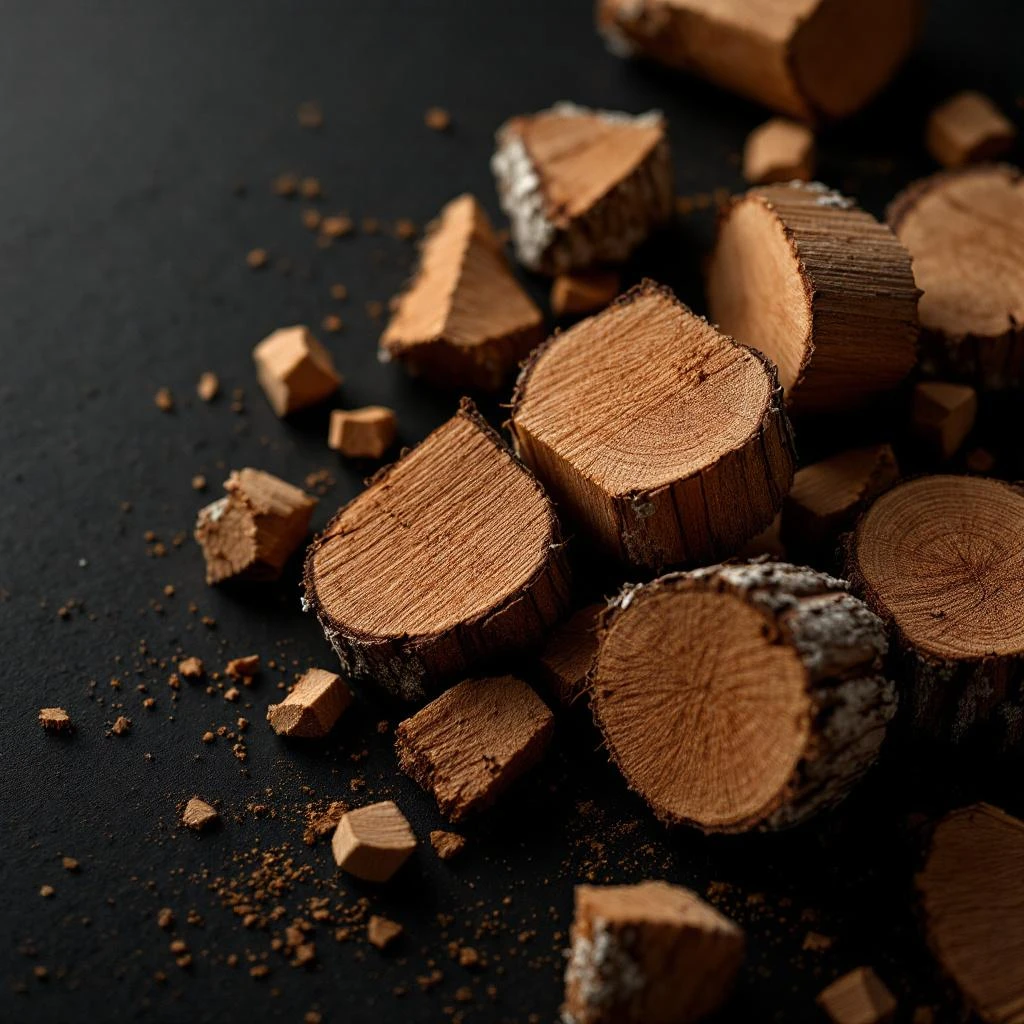
The timber, marketed under names like balata, beefwood, and massaranduba, found its way into shipbuilding, flooring, and railway ties. The wood's name, bulletwood, comes from its density and shock resistance, qualities that made it suitable for applications where impact mattered. Despite this rich industrial history, the tree never entered perfumery as a source of aromatic material.
Modern references to bulletwood in fragrance contexts are largely conceptual, borrowing the tree's mystique without employing any extracted essence. Its legacy persists in woodworking, conservation biology, and ethnobotany rather than in the perfumer's palette.
Wears it best
Fragrances featuring Bulletwood Tree
Brands
Brands known for Bulletwood Tree
Good to know
Questions, answered
The essentials on Bulletwood Tree in perfumery: how it smells, where it comes from, and how it behaves on skin.
What does bulletwood tree smell like?
No documented aromatic profile exists for bulletwood in perfumery. The tree is not commercially distilled for essential oil. Any fragrance referencing it relies on creative interpretation rather than extracted scent compounds.
Is bulletwood used in perfume?
Bulletwood has no commercial role in modern fragrance production. No essential oil or absolute is manufactured from Manilkara bidentata. Occasional references in fragrance marketing are thematic, not based on actual extracted material.
Where does bulletwood tree grow?
Manilkara bidentata is native to the Caribbean, Central America, and northern South America, including the Amazon basin and the Guianas. It thrives in tropical rainforests, where mature specimens can exceed 50 meters in height.
What is bulletwood latex used for?
Historical applications include chewing gum production, cable insulation, and waterproofing. The latex was tapped by scoring bark and processed into elastic sheets. Modern industry has largely replaced it with synthetic alternatives.
Why is it called bulletwood?
The name reflects the wood's exceptional density and shock resistance. Early tradesmen noted its ability to absorb impact, making it suitable for demanding structural applications like railway ties and marine construction.
What is the scientific name of bulletwood?
Manilkara bidentata is the accepted scientific name. It belongs to the Sapotaceae family, the same botanical group that includes shea and argan, though bulletwood is not harvested for similar oleaginous purposes.
Can bulletwood be confused with other perfumery woods?
Fragrance descriptions occasionally invoke bulletwood alongside guaiac, cedar, or sandalwood, but these are entirely different species. Bulletwood contributes no verified scent material to perfumery. Listeners should treat such references as marketing language.
Is bulletwood endangered?
Manilkara bidentata faces localized pressure from logging due to valuable timber, but the species remains widespread across its range. Conservation status varies by country, and sustainable forestry certifications exist for some harvest operations.