Sea Shells
The crisp, mineral whisper of ocean-tumbled shells, distilled into an accord that captures sun-warmed calcium and briny air in a single breath.
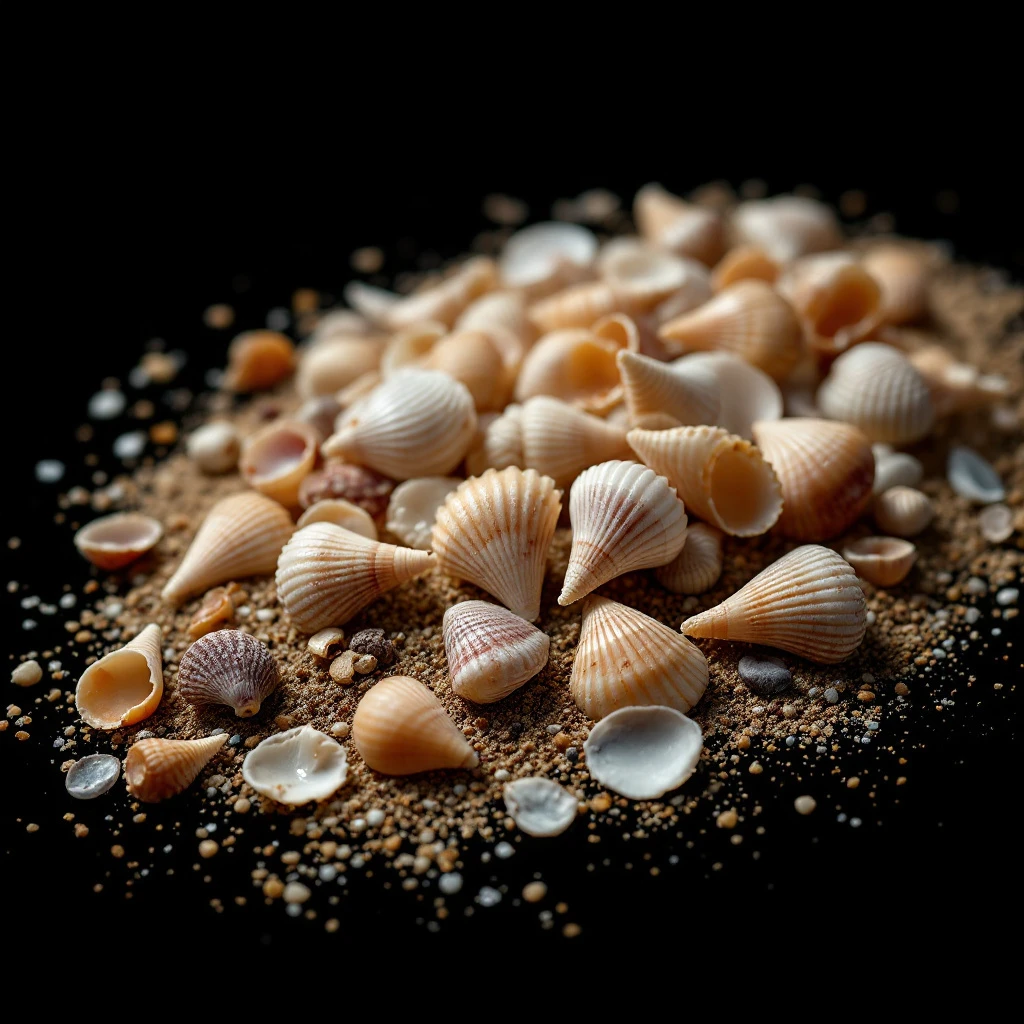
Character
How it smells
Salt-kissed calcium, bottled.
Real shells contribute almost no scent; perfumers reconstruct the effect using calone, ambroxan, and white musk to simulate sea-washed minerality.
Pairs beautifully with


Origin
Switzerland
Shell motifs entered fragrance culture long before anyone tried to bottle their smell. In ancient Rome, murex and other seashells were crushed for Tyrian purple dye, a luxury so costly it was worth its weight in silver. The scent of shells themselves, though, remained a non-subject until 20th-century perfumers began chasing oceanic themes.
The 1990s saw the first true aquatic fragrances, built around the synthetic molecule calone, which gave compositions a cool, ozonic lift previously impossible from natural materials. Marine accords proliferated in the early 2000s as gender-neutral marketing expanded and clean, mineral scents grew popular. Today, shell notes are almost always composed, not extracted, a modern example of perfumery's shift from botany toward aromatic engineering.
The result is an olfactive idea: not a shell, but the memory of holding one to your ear.
Wears it best
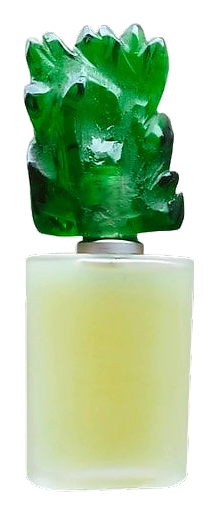
Fragrances featuring Sea Shells
Brands
Brands known for Sea Shells
Good to know
Questions, answered
The essentials on Sea Shells in perfumery: how it smells, where it comes from, and how it behaves on skin.
What does sea shell smell like in perfume?
Sea shell accord smells mineral, clean, and faintly saline, with hints of warm calcium, ocean air, and a soft, skin-like musk. The effect is more suggestion than literal shell, evoking a sun-warmed beach rather than a snail's home.
Is sea shell a natural or synthetic fragrance note?
Almost entirely synthetic. Real mollusk shells contain no useful volatile oils, so perfumers build the note from aromachemicals like calone, ozonic aldehydes, and white musks to approximate the mineral scent.
When was the sea shell accord first used in perfumery?
The first major aquatic fragrances appeared in the early 1990s, built around calone, an ozonic molecule discovered in 1966 that gave compositions their characteristic cool, beachy lift.
Where does sea shell accord originate?
Modern marine accords were developed by Swiss and French fragrance houses in the 1990s. The technology spread globally within a decade, appearing in brands from Tokyo to New York.
How is sea shell fragrance made?
Perfumers combine synthetic marine molecules like calone with salty aldehydes, trace-metal notes, and white musks. Some artisan makers macerate ground nacre, though this contributes texture more than scent.
Is sea shell note sustainable?
Yes, since the note is overwhelmingly synthetic. No mollusks are harvested for shell accord, and the aromachemicals involved have low environmental impact compared to many natural extractions.
Can you extract real scent from seashells?
In theory, yes, but yields are negligible. Shells are roughly 95% calcium carbonate with no meaningful volatile compounds, making natural extraction commercially unviable for mainstream perfumery.
What fragrance families use sea shell notes?
Sea shell appears most often in aquatic, ozonic, and fresh fragrance families, and increasingly in modern gender-neutral compositions built around clean, mineral, or skin-scent aesthetics.