
The Story
Why it exists.
The beginning
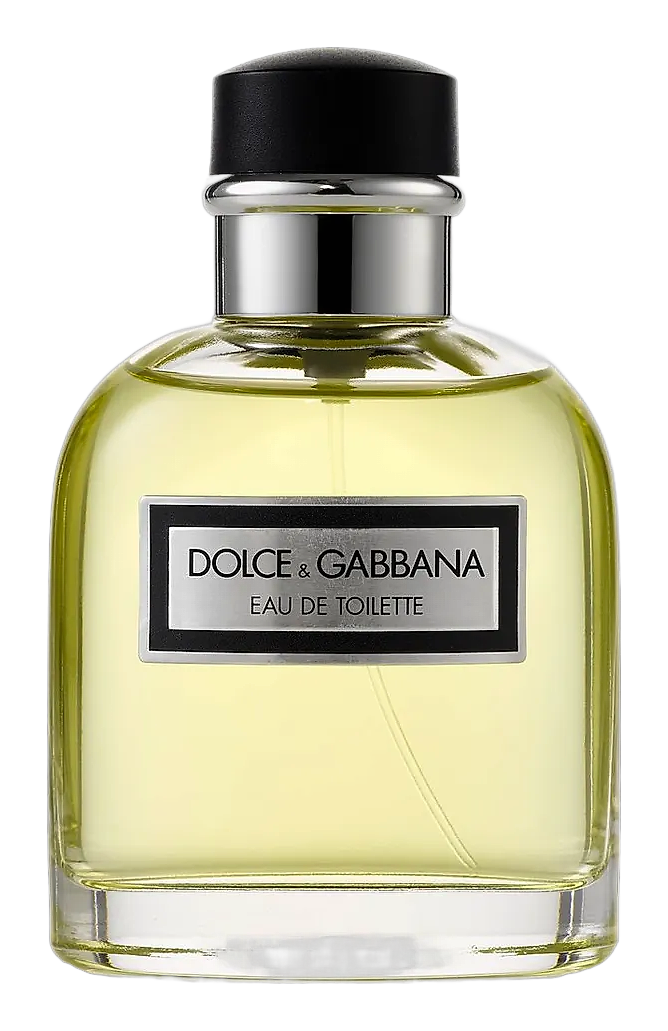
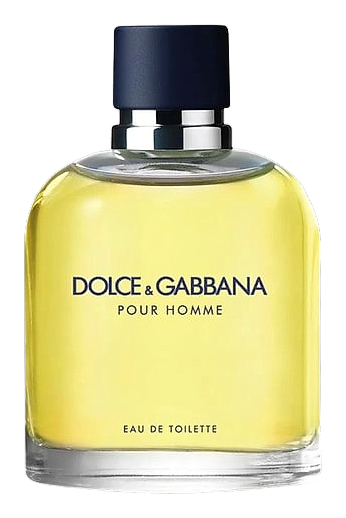
In 2012, Dolce & Gabbana did something quietly deliberate. They returned to their Pour Homme, the 1994 aromatic fougère that helped define their fragrance identity, and offered it again to a new audience. Gabbana, speaking to WWD, called it a fine-tuning rather than a reissue. The house had grown up since the nineties; the men wearing the scent had too. The 2012 Pour Homme keeps the original's aromatic fougère character intact, preserving the structure that made the 1994 original a reference in the Mediterranean masculine conversation. The bottles were altered, the kind of small physical refresh a house does when it wants a familiar composition to feel current on the shelf.
What makes this composition work is the conversation between its two halves. The top reads bright and classical, neroli, bergamot, mandarin, each citrus playing a distinct role in the opening, the neroli giving a green floral edge, the bergamot contributing its slightly bitter brightness, the mandarin adding a sweeter, rounder topnote. Where Dolce & Gabbana steered the composition is in how those top notes settle. Tobacco sits at the base, dry and slightly sweet, and tonka rounds out the cedar beneath it, keeping the wood from reading as sharp or smoky.
The evolution
The first fifteen minutes are a Mediterranean morning, loud and immediate. Neroli and bergamot announce themselves the way a sunlit coastline announces itself, bright, slightly bitter, impossible to miss. Mandarin rounds the edges so the opening reads more like a cologne splash than a perfume statement, the citrus trio working in close conversation from the first spray. By the thirty-minute mark the lavender and sage have started threading through the citrus, cooling the brightness into something drier and more herbal, the aromatic fougère structure beginning to assert itself. Black pepper shows up quietly here, a small heat at the back of the throat, more suggestion than statement, threading a quiet warmth through the herbal heart. Around the two-hour mark, the composition pivots.
Cultural impact
The 2012 relaunch pulled a 1994 aromatic fougère back onto the shelf and asked a new audience to consider it on its own terms. The release leaned into the strengths of the original rather than chasing whatever wave of masculine fragrance was cresting in the early 2010s, trusting the composition's tobacco and lavender pairing to do the work it had always done. Wearers tend to gravitate toward Pour Homme as a grown-up aromatic, the kind of scent that reads as confident without trying too loudly for attention.