
The Story
Why it exists.
The beginning
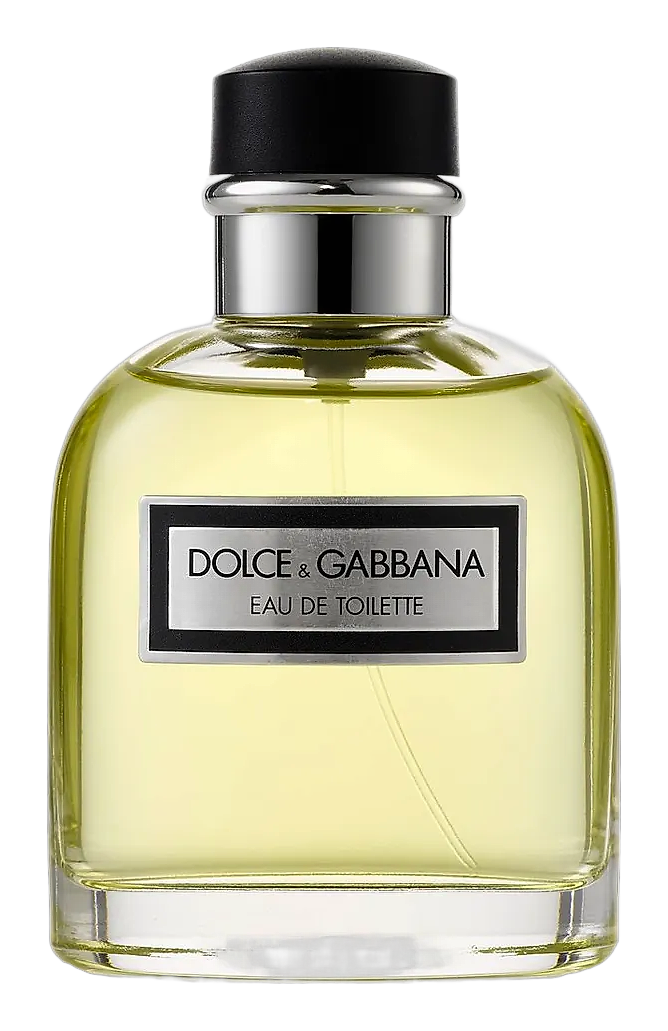
In 1994, Dolce&Gabbana released a men's fragrance into a market crowded with safe aquatic compositions and powerhouses drowning in wood. The house wanted something different, a scent that carried Mediterranean confidence similar to their tailoring, the kind of assured approach that had made their ear for bold fashion so distinctive. Perfumer Max Gavarry created a fragrance that reflected that runway attitude, one that was full-throated, passionate, and never shy. The brief was clear: build something that felt like Dolce&Gabbana, not like everything else on the shelf.
The note philosophy here reflects Dolce&Gabbana's Mediterranean sensibility, each ingredient chosen for its authenticity and impact rather than trendy combinations. Bergamot and tobacco anchor the composition at opposite ends, creating a tension between bright citrus and deep warmth that feels intentional and balanced. Lavender and sage provide the aromatic bridge, while black pepper, cardamom, and tonka bean add layers of complexity that reward attention. The pairing rationale is straightforward: citrus brightness opens the composition, tobacco depth closes it, and the herbs and spices in between tie everything together into a cohesive whole.
The evolution
The fragrance opens with bergamot, mandarin orange, and orange, a citrus trio that immediately signals sunny Mediterranean confidence. This bright opening phase gradually gives way to lavender and sage, the aromatic heart that provides structure and a classic fougere sensibility. Black pepper and cardamom arrive as warm spice, adding complexity and a touch of heat that prevents the heart from becoming too gentle. As the fragrance moves into its drydown, tobacco takes center stage, rich and assertive, supported by cedarwood and sandalwood in a woody foundation that feels grounded and masculine. Iris contributes powdery softness while tonka bean adds sweet warmth, creating a base that lingers close to the skin for hours. The arc moves from bright citrus to structured herbs to deep tobacco, a progression that mirrors the confidence and layering of a well-tailored wardrobe.
Cultural impact
Pour Homme arrived in 1994, a masculine fragrance at a moment when the market offered lighter, safer compositions. Three decades on, it remains a reference point in the fougère category, the scent people discover when they ask what masculine used to smell like. It retains a devoted following who appreciate its consistent character and enduring appeal. For many wearers, it represents a fragrance discovered later in life and returned to repeatedly.