
The Story
Why it exists.
The beginning
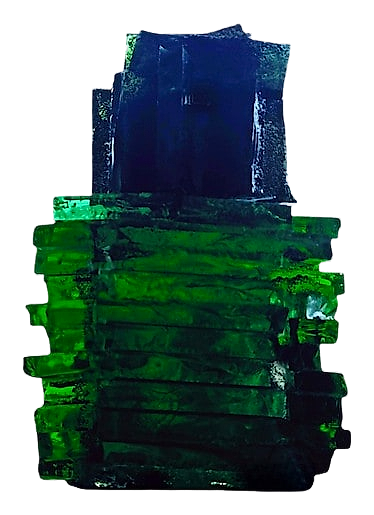
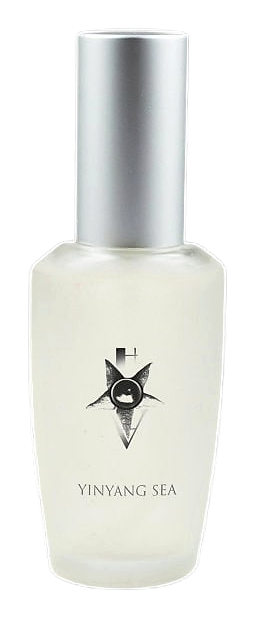
Yinyang Sea arrived in 2024 from the studio of Elisabeth Andrék, the perfumer and glass designer behind House of Atropa. The house treats naming as a kind of dare, and this one reads like a koan: two halves of the same ocean. The composition unfolds as green, cooling botanicals holding a mineral, briny undertow, a duality that earns the name. Cypress, black mint tea, and osmanthus wood give the scent its structural bones, each note contributing something distinct to the overall architecture. The green elements read sharp and vegetative on first impression, while the salt and wood components ground everything in something drier and more contemplative.
The composition layers three forms of osmanthus, absolute, wood, and a third osmanthus wood appearing again in the heart, the same material restated across pyramid layers like a motif returning in a piece of music. Cabreuva wood grounds the base alongside two distinct cypress expressions: Formosan and Taiwanese. The salt note in the heart reads as literal and functional, sharpening the herbal elements and giving the mint tea a metallic edge rather than conjuring a beach accord.
The evolution
The first spray is all green geometry. Grapevine and grape leaf cut sharp and vegetal, almost like tearing fresh foliage in a humid garden, while Taiwanese Black Mint tea arrives with a brisk, cool astringency that reads more like unsweetened matcha than candy. The osmanthus begins its slow unfurl, a leathery, apricot-skin warmth that sits underneath the green without softening it. The salt shifts the entire shape as it emerges: the green notes recede, the tea goes mineral, and there's a wet-stone quality that didn't exist at the opening. Eventually the heart surrenders to the osmanthus wood and mango leaf, which read together as sun-warmed bark and faint tropical greenery, not overtly sweet. The drydown is where Yinyang Sea earns its name.
Cultural impact
Yinyang Sea sits at the cooler end of indie perfumery's current landscape, a release that leans dry and contemplative rather than sweet or aquatic. The repeated use of Taiwanese ingredients, Black Mint tea, Formosan cypress, and Taiwanese cypress, gives the scent a clear regional identity, one rooted in specific botanical traditions rather than vague exoticism. For wearers drawn to green fragrances that emphasize texture and minerality over conventional freshness, this composition offers something distinctive. The interplay between cool tea, sharp greens, and briny salt creates a coastal feeling without resorting to obvious aquatic accords.