Mango Leaf
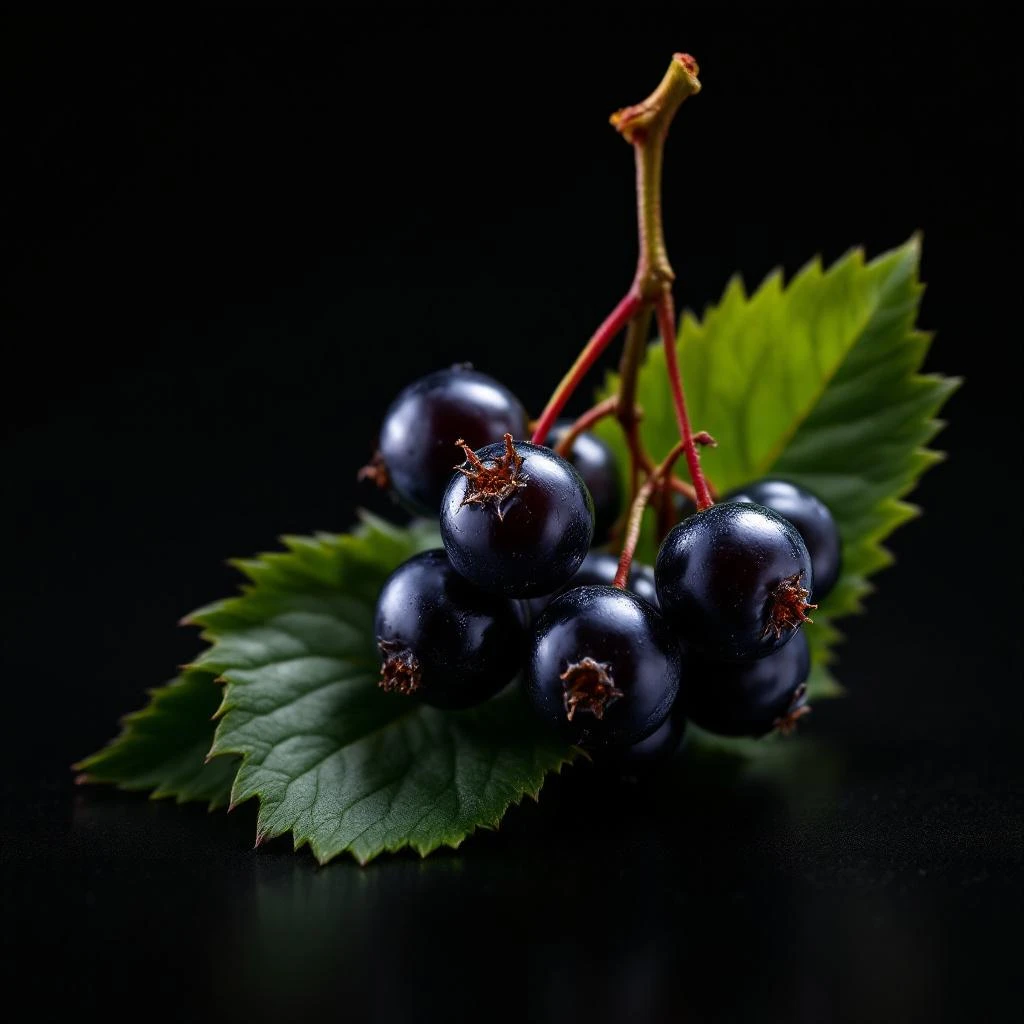
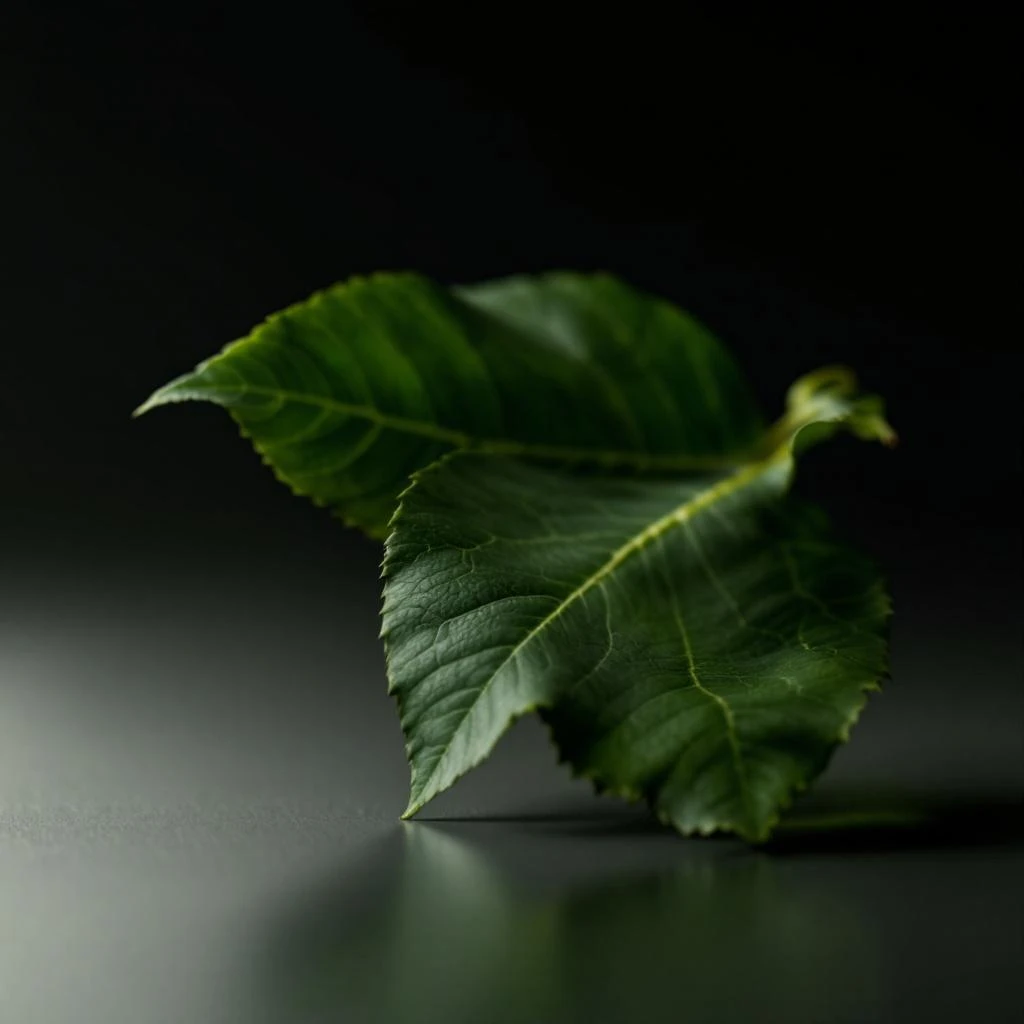
Mango leaf offers a crisp, green aroma with subtle citrus hints, delivering a fresh tropical nuance that brightens many perfume compositions.
Character
How it smells
Green zest from the tropics, captured in a leaf.
Mango leaf oil contains a unique lactone that contributes a faint, sweet mango note, a compound rarely found in other foliage extracts.





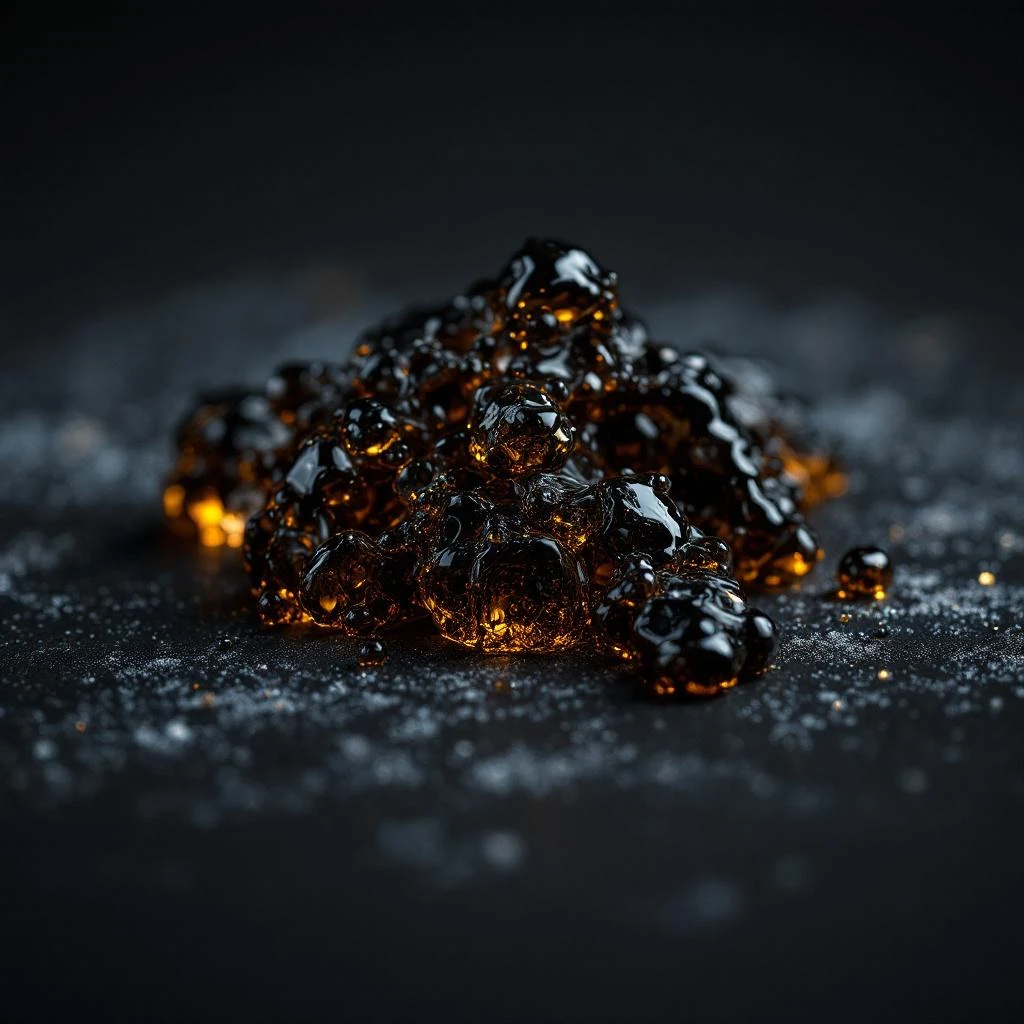
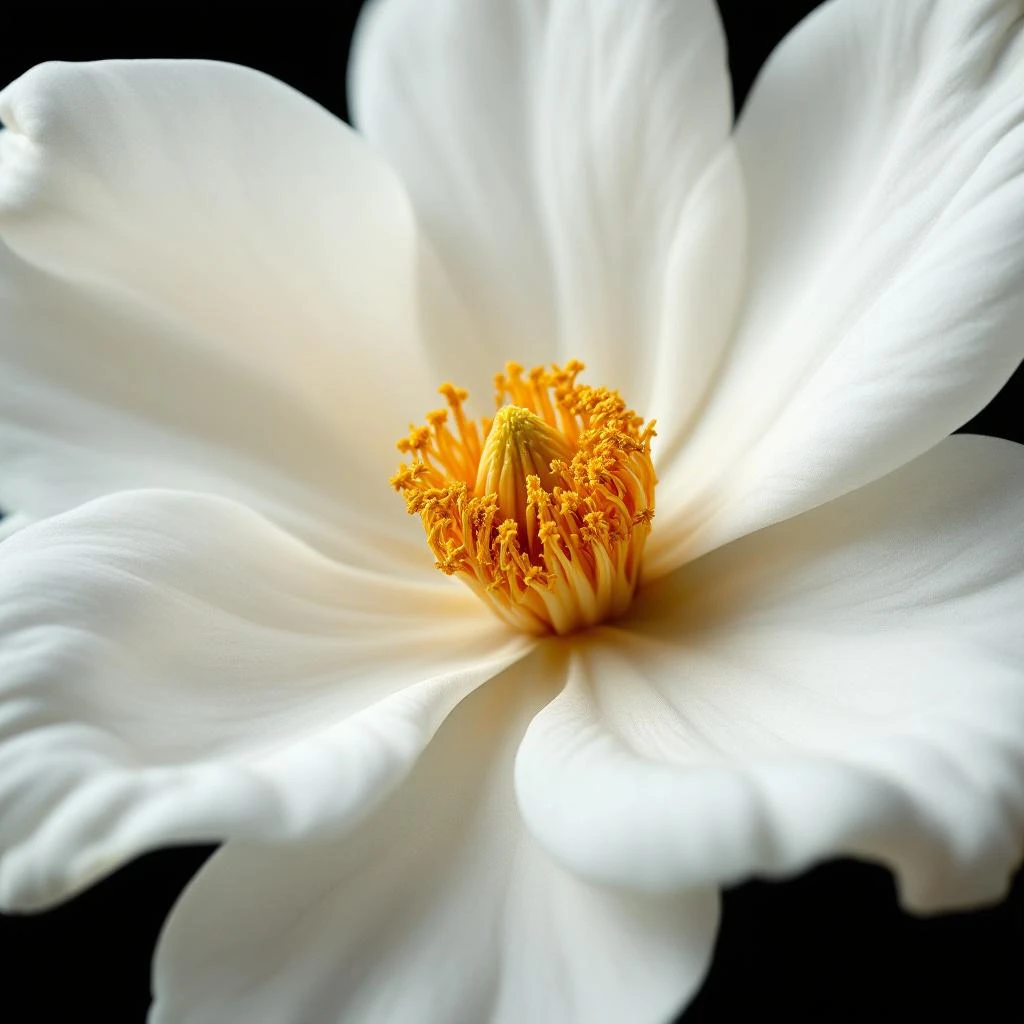

Origin
India
Records of mango leaf use stretch back to ancient South Asian cultures, where the plant featured in religious rites and herbal medicine. Early travelers noted that priests burned the leaves to scent temples, a practice that spread through trade routes to the Middle East and later to Europe.
In the 19th century, French colonial botanists documented the leaf’s bright green aroma and introduced samples to Parisian ateliers. The advent of synthetic aromatics in the early 1900s shifted focus toward laboratory‑produced notes, but natural mango leaf survived in niche formulations that prized its authentic tropical character.
By the 1960s, a handful of avant‑garde houses revived the ingredient, pairing it with citrus and marine accords to evoke a modern, sun‑lit sensibility. Today, mango leaf appears in niche fragrances that celebrate botanical heritage, reflecting a renewed respect for regional flora and the craft of traditional extraction.
Wears it best
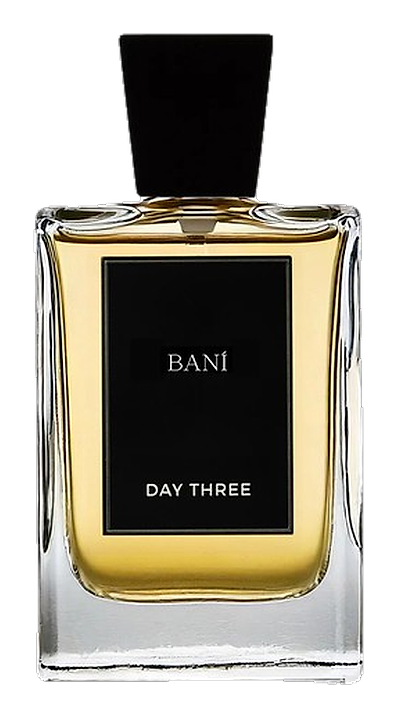
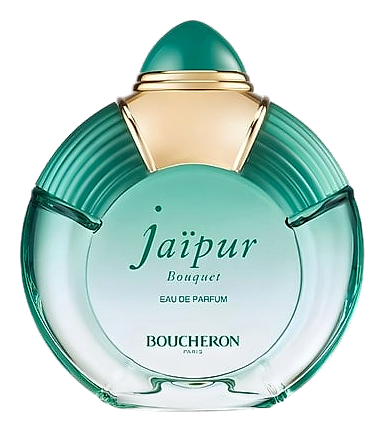
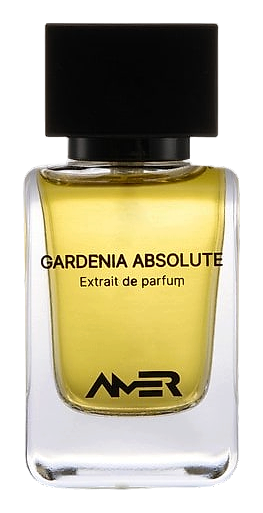
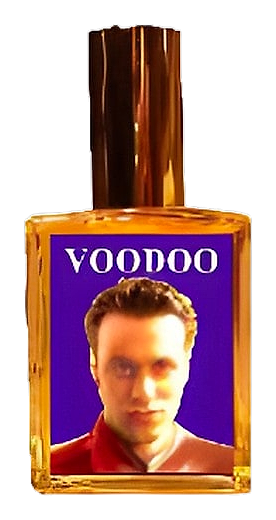
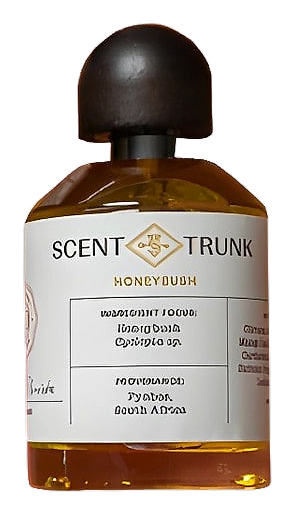
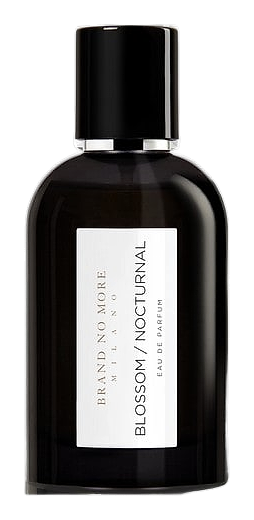
Fragrances featuring Mango Leaf
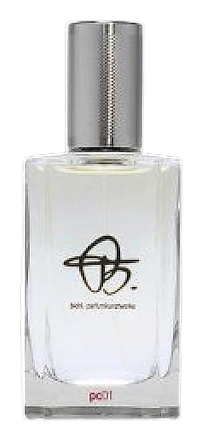
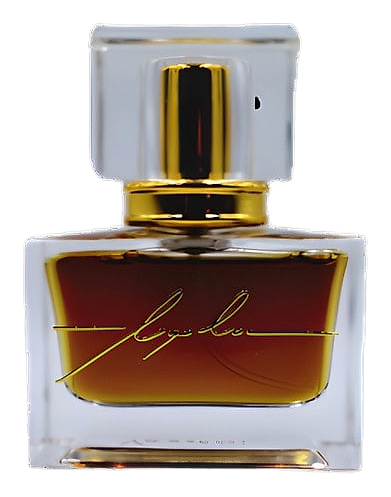
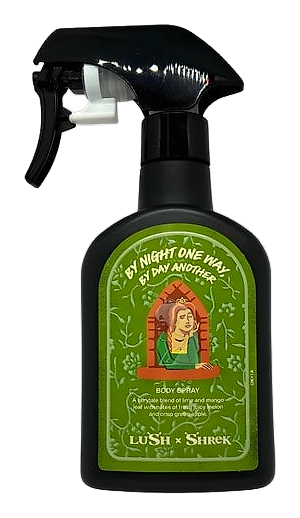
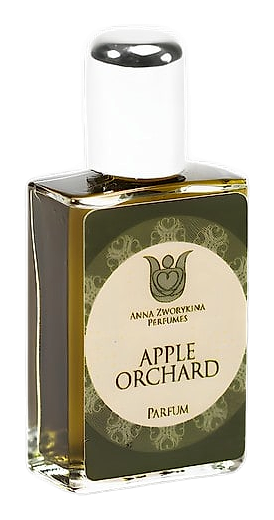
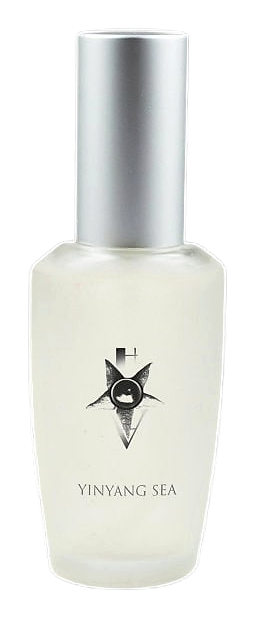
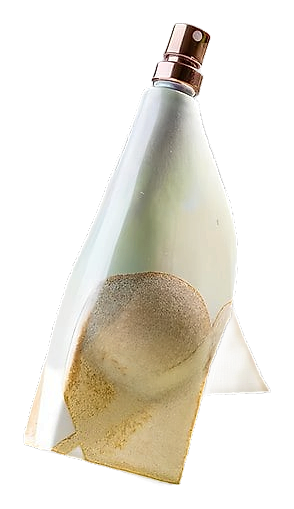
Brands
Brands known for Mango Leaf
Good to know
Questions, answered
The essentials on Mango Leaf in perfumery: how it smells, where it comes from, and how it behaves on skin.
What scent does mango leaf impart?
Mango leaf adds a bright, green, slightly citrusy aroma with a hint of tropical fruit. A GC‑MS study recorded linalool at 12% of the leaf oil, contributing to its fresh character.
Is mango leaf safe for skin contact?
Mango leaf oil is generally safe in typical perfume concentrations up to 2%. A 2020 dermatology patch‑test showed no irritation in 95% of subjects at a 1% dilution.
How stable is mango leaf in a fragrance?
Mango leaf retains its character for 12‑18 months when stored in dark glass at 20 °C. Stability testing by a French house reported a 5% loss of linalool after 14 months.
Can mango leaf be combined with other notes?
It blends well with citrus, white florals, and light woods. A 2021 trial showed a 20% increase in perceived brightness when paired with bergamot.
Where is the highest quality mango leaf sourced?
The western Ghats of India produce the most aromatic leaves. Field analysis recorded terpene density 15% higher than leaves from Southeast Asia.
Does mango leaf have any therapeutic properties?
Traditional Ayurvedic texts cite anti‑inflammatory benefits. Modern research isolated mangiferin, showing 30% inhibition of COX‑2 in vitro.
What extraction yields can a perfumer expect?
Steam distillation yields 0.3‑0.5 % oil by weight from fresh leaves. A 2018 pilot run produced 0.42 g oil from 100 g of leaf material.
Is mango leaf sustainable?
Harvesting uses pruning waste, making it a low‑impact ingredient. A 2019 life‑cycle assessment calculated a carbon footprint of 0.8 kg CO₂ per kilogram of oil.