The Story
Why it exists.
The beginning
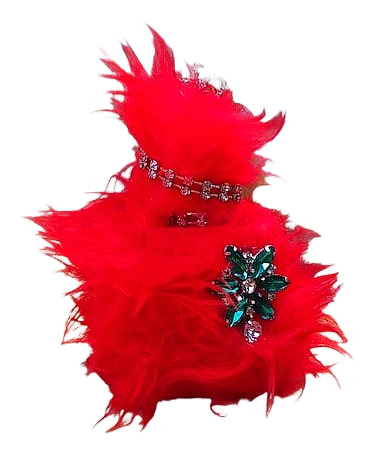
Le Chat Rouge arrived in 2025 from House of Atropa, the independent studio founded by Elisabeth Andrék. The name is a provocation in miniature, a red cat, unremarkable on paper, but the kind of thing you notice. Lisa Andrék composed this one, building around a pairing that shouldn't log as compelling: tropical starfruit and warm coffee. The house has never trafficked in safe compositions, and Le Chat Rouge doesn't start there. It's a question the nose answers with ingredients rather than theory, what happens when sweet fruit and roasted warmth occupy the same space?
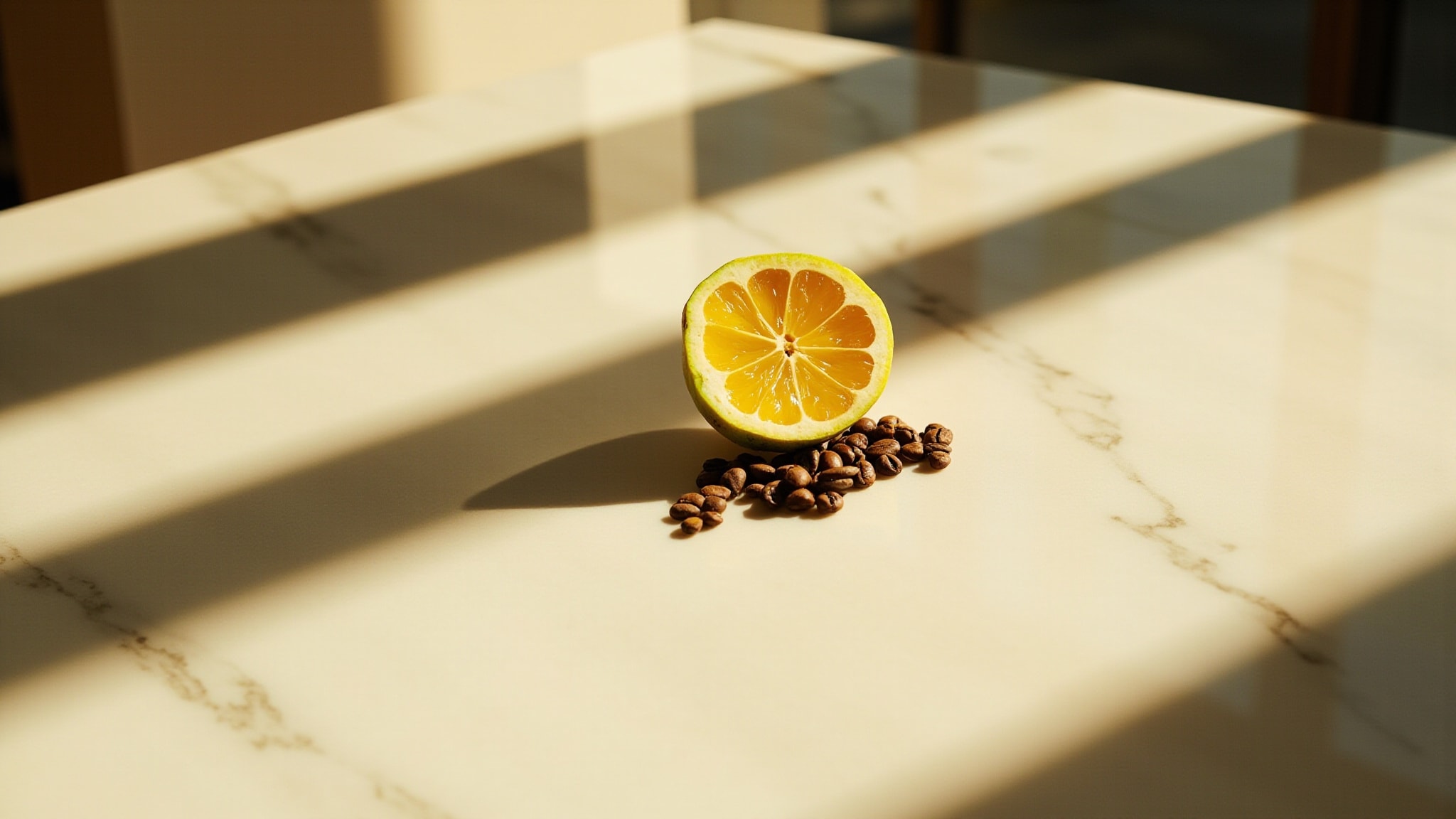
Coffee appears twice in the pyramid, heart and base, which isn't an accident. It gives the fragrance a structural continuity, a thread that runs from the opening Lemon (which arrives fresh and sharp) through the Sugar (which arrives like a afterthought, then becomes essential) and into the drydown where Coffee simply refuses to leave. Starfruit is the x-factor. It's tropical without the usual sunscreen associations, fruit without the candy edge. What Lisa Andrék pulled off here is a coffee fragrance that doesn't smell like it came from a different season. The tropical note keeps it warm from the first spray to the last.
The evolution
The opening is all Lemon and Starfruit, a burst that reads more like a kitchen than a perfumery. Bright, almost sharp. Then the coffee arrives at the twenty-minute mark, and it changes the temperature of everything. Not cooling, but warming. The Starfruit doesn't disappear, it becomes a background sweetness, the Sugar picking up threads of it as the citrus fades. By the second hour, you're in the coffee-and-sugar territory, close to the skin, intimate in a way that doesn't advertise itself. The drydown holds for most of the day on normal skin, longer on dry. What stays longest is the coffee, not the roasted intensity of the opening but something softer, like grounds left in a pot overnight.
Cultural impact
Le Chat Rouge arrived in 2025 as part of House of Atropa's ongoing experiment with unconventional note pairings, positioning itself within a growing niche fragrance culture that rewards risk over mass appeal. The pairing of starfruit with coffee challenged the prevailing assumption that tropical fruits and roasted notes cannot coexist harmoniously, instead suggesting that the sweetness of ripe starfruit could ground coffee's bitter edge rather than clash with it. Independent perfumery communities have embraced this kind of compositional boldness as a rejection of the safe, consensus-driven approach that dominates mainstream fragrance development, where scent houses often prioritize proven combinations over genuine innovation.