Osmanthus Wood
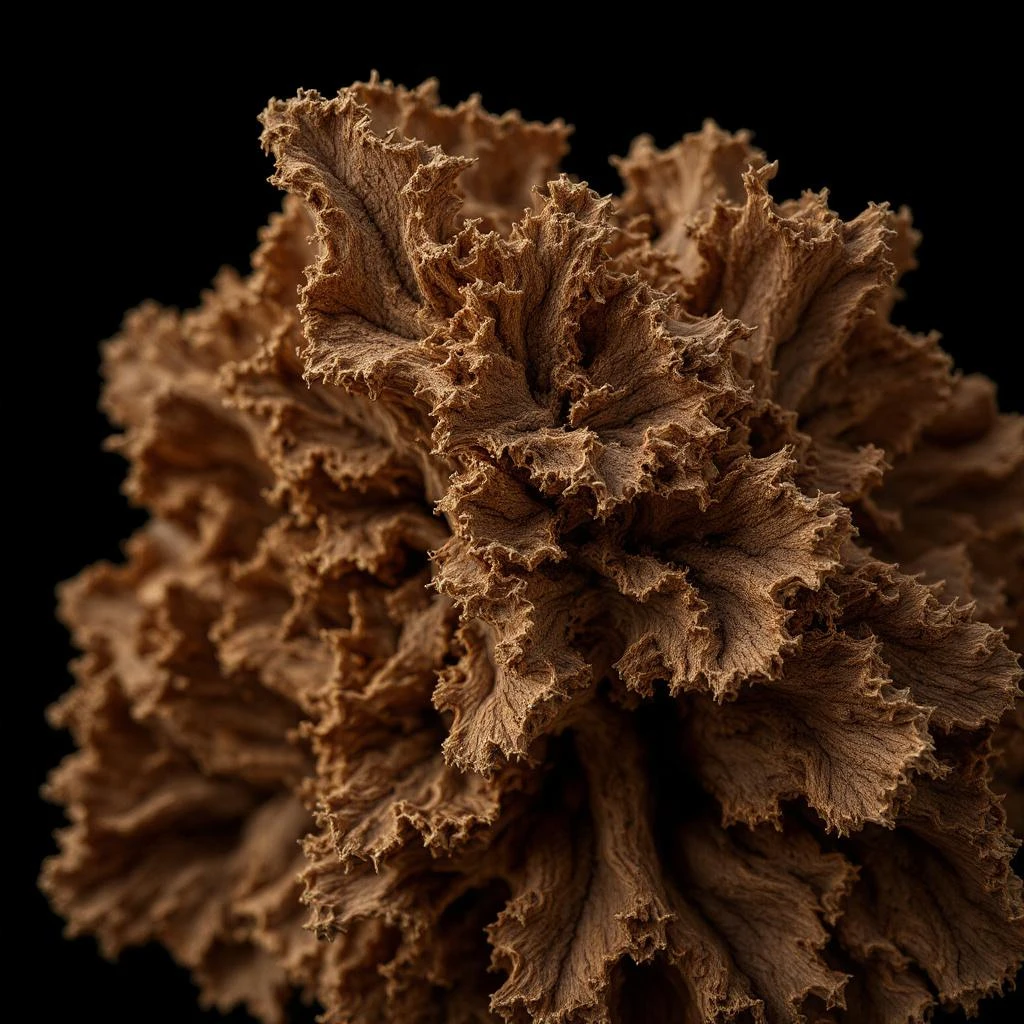
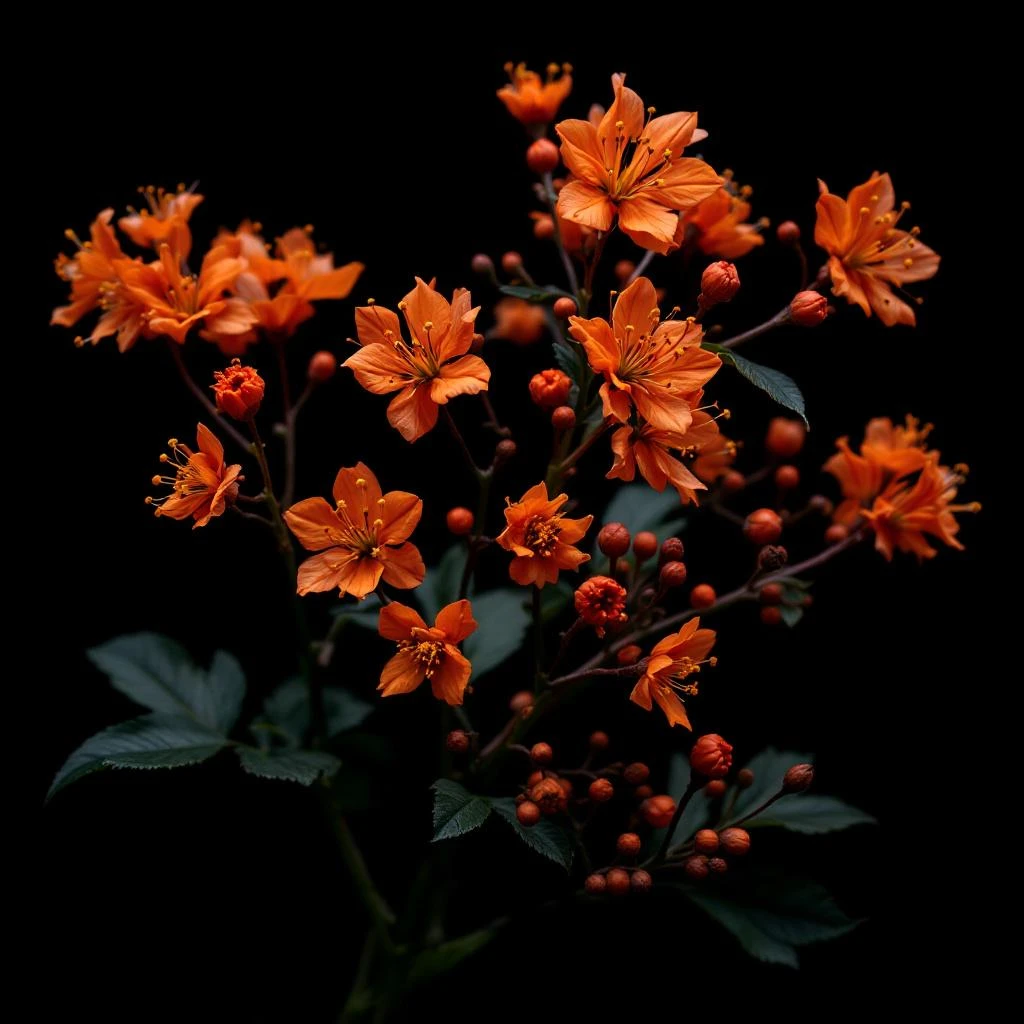
Osmanthus wood carries the quiet, sun-warmed scent of dried blossoms pressed into timber: apricot, soft leather, and a faint honeyed sweetness. The flowers themselves yield this note through solvent extraction, capturing an elusive fruit-floral aroma that has perfumed Chinese gardens for over two millennia.
Character
How it smells
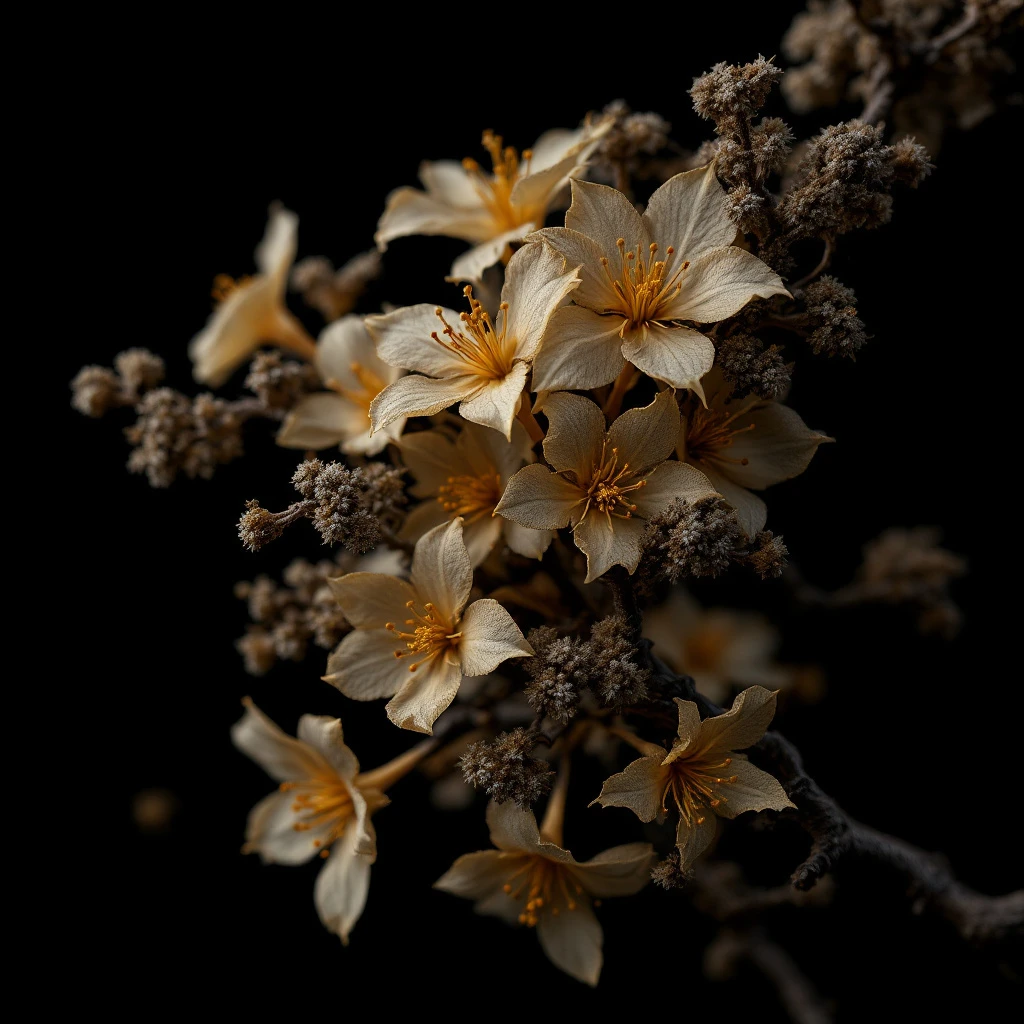
Apricot, honey, and warm wood from an ancient Chinese bloom
The name Osmanthus means 'fragrant flower' in Greek, yet the species originated in the eastern Himalayas, not the Mediterranean.
Origin
China
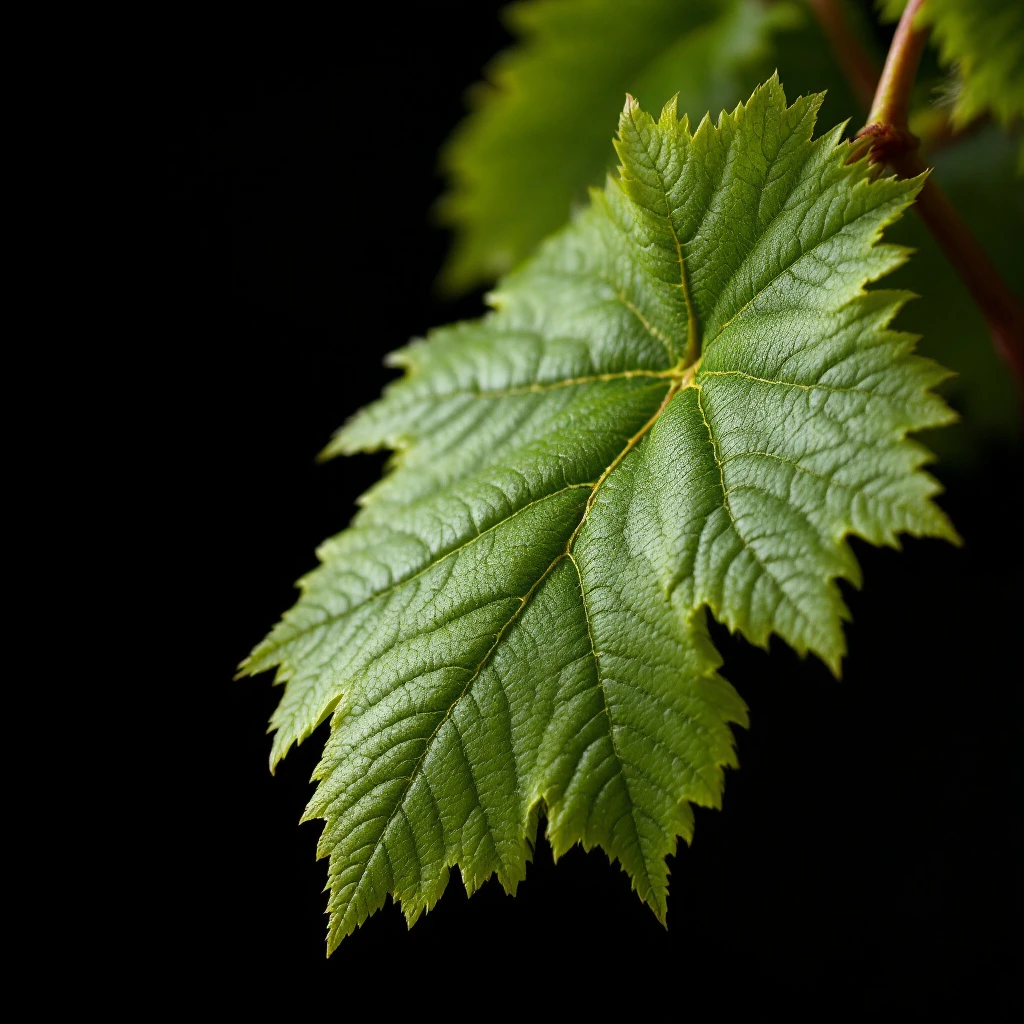
Osmanthus fragrans has been cultivated in China for roughly 2,500 years, valued as both ornamental tree and aromatic treasure. Historical records describe the blossoms planted along palace paths and temple courtyards, where their scent marked the autumn season as surely as chrysanthemums. The tree entered European botanical knowledge through Jesuit missionaries in the 18th century, though its perfumery potential remained untapped until much later.
Jean Patou introduced osmanthus as a fragrance ingredient in the early 20th century, one of the first Western houses to recognize its unique fruity-floral character. Solvent extraction, refined during the 1900s, finally made the delicate blossoms viable for commercial perfumery. Today, osmanthus absolute remains a niche but prized material, lending its apricot-skin warmth to both Eastern and Western compositions.
The tree itself can reach 15 feet in height, transforming entire gardens into corridors of scent during its October blooming season.
Wears it best
Fragrances featuring Osmanthus Wood
Brands
Brands known for Osmanthus Wood
Good to know
Questions, answered
The essentials on Osmanthus Wood in perfumery: how it smells, where it comes from, and how it behaves on skin.
What does osmanthus wood smell like in perfume?
Osmanthus carries a distinctive apricot and honeyed-fruit scent with leathery, tea-like undertones. It reads as warm and slightly woody, even though the aromatic material actually comes from the tree's flowers, not its wood. The result is a soft, golden sweetness that sits between ripe stone fruit and sun-warmed suede.
Is osmanthus a rare ingredient in perfumery?
Yes, osmanthus remains uncommon in mainstream fragrance because harvesting is labor-intensive and yield is low. Several hundred kilograms of fresh blossoms are needed to produce one kilogram of absolute. This scarcity, combined with a short autumn blooming window, keeps the ingredient relatively exclusive.
Where does osmanthus originally come from?
Osmanthus fragrans is native to the eastern Himalayas, spanning parts of southwestern China, and has been cultivated across southern China for approximately 2,500 years. The name itself derives from Greek, meaning 'fragrant flower,' though the species has no Mediterranean origin.
How is osmanthus absolute extracted?
Solvent extraction is the standard method for capturing osmanthus scent. Fresh flowers are treated with a volatile solvent to produce a waxy concrete, which is then washed with alcohol to yield a concentrated absolute. Steam distillation is not effective for these delicate blossoms.
When was osmanthus first used in Western perfumery?
Jean Patou introduced osmanthus as a fragrance ingredient in the early 20th century, making it one of the earliest Western houses to feature the note. Solvent extraction technology developed during that era made the flower's delicate aroma commercially accessible for the first time.
What fragrances feature osmanthus as a key note?
Osmanthus appears in notable compositions from houses including Amouage, Hermès, and Tom Ford. It often anchors fruity-floral or tea-inspired blends, lending its apricot-leather warmth to both oriental and lighter modern structures. Its presence typically signals a more nuanced, layered composition.
Can osmanthus be confused with other fruity-floral notes?
Osmanthus shares apricot-like qualities with notes such as davana or certain peach accords, but its leathery, tea-like facets set it apart. Trained noses often identify a faint cured-fruit or dried-blossom character unique to osmanthus absolute, which distinguishes it from simpler fruit bases.
Why is osmanthus associated with autumn in Chinese culture?
Osmanthus fragrans blooms from September through November, filling gardens with scent during the cooler months. Chinese tradition pairs the flower with the Mid-Autumn Festival, when osmanthus wine and cakes are prepared to celebrate the harvest season and the flower's golden-hued symbolism of prosperity.