Grapevine
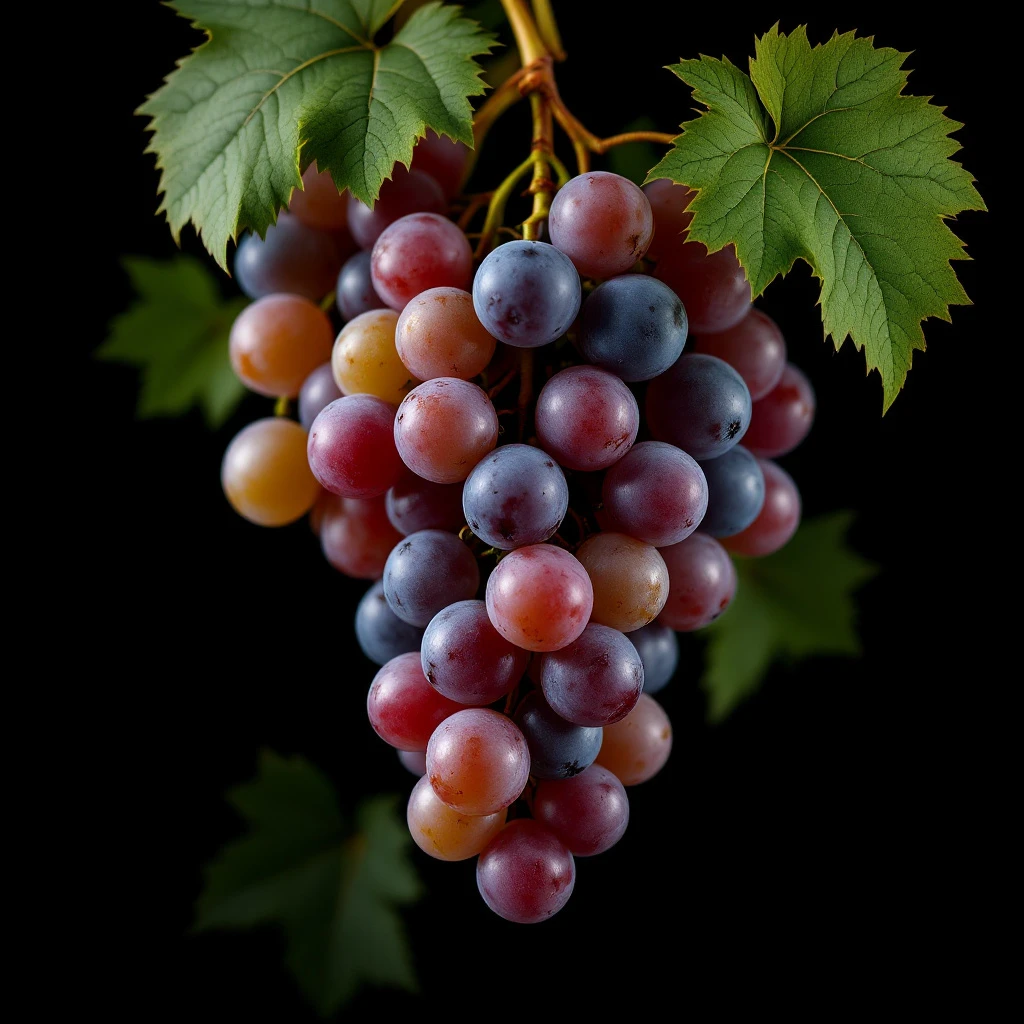
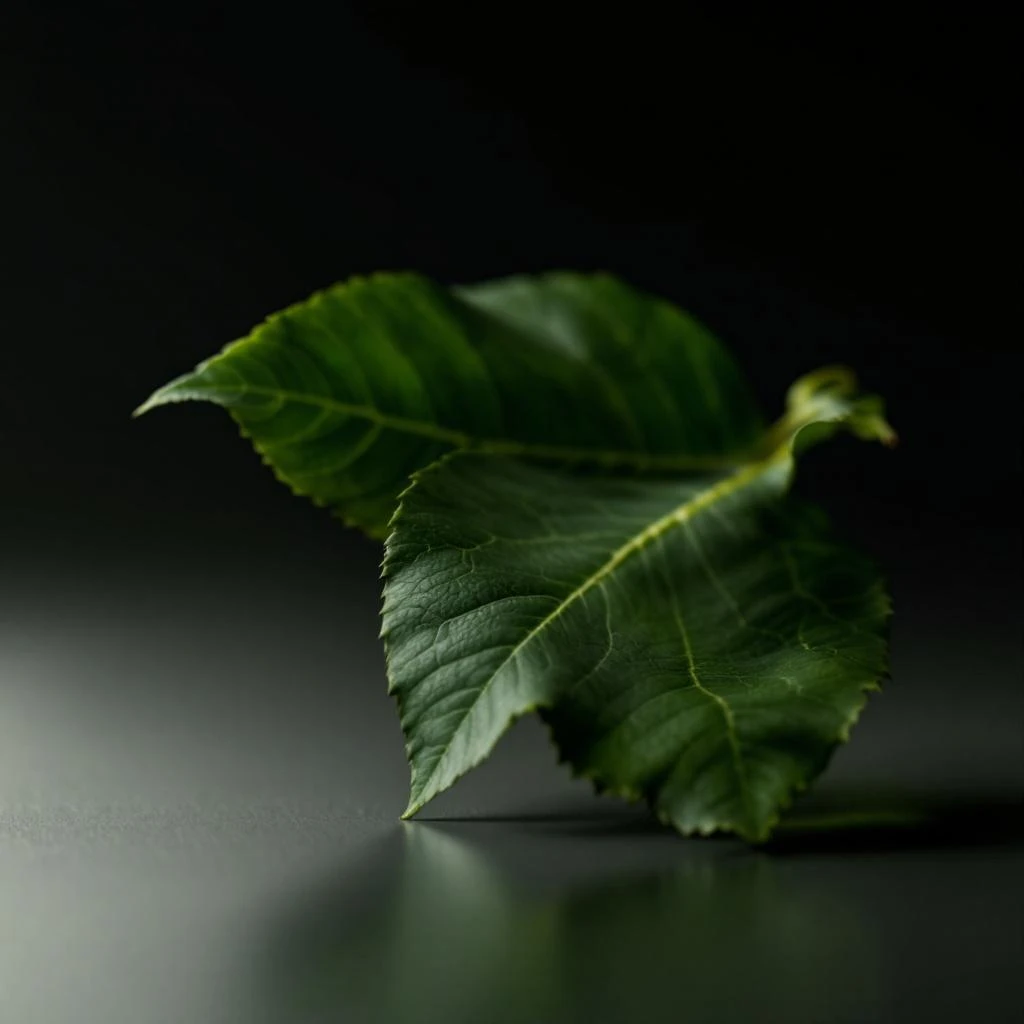
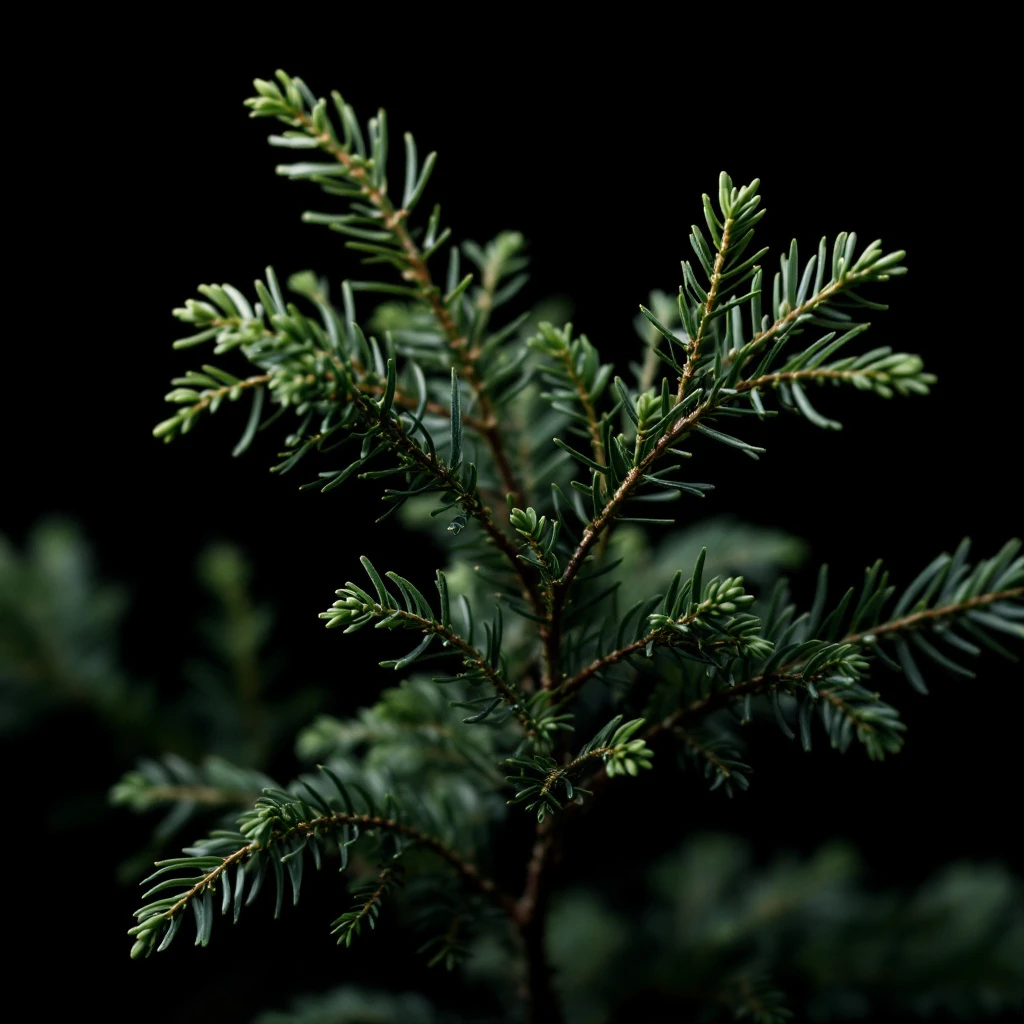
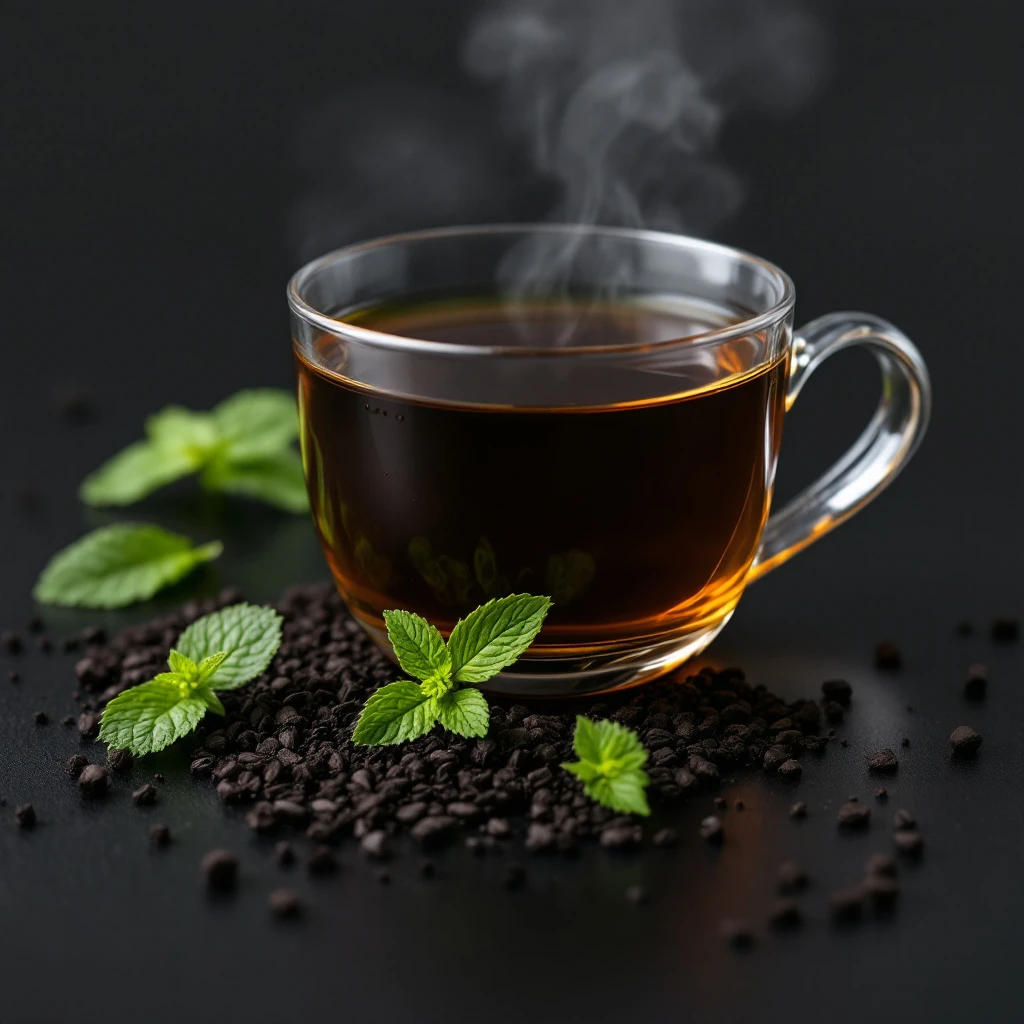
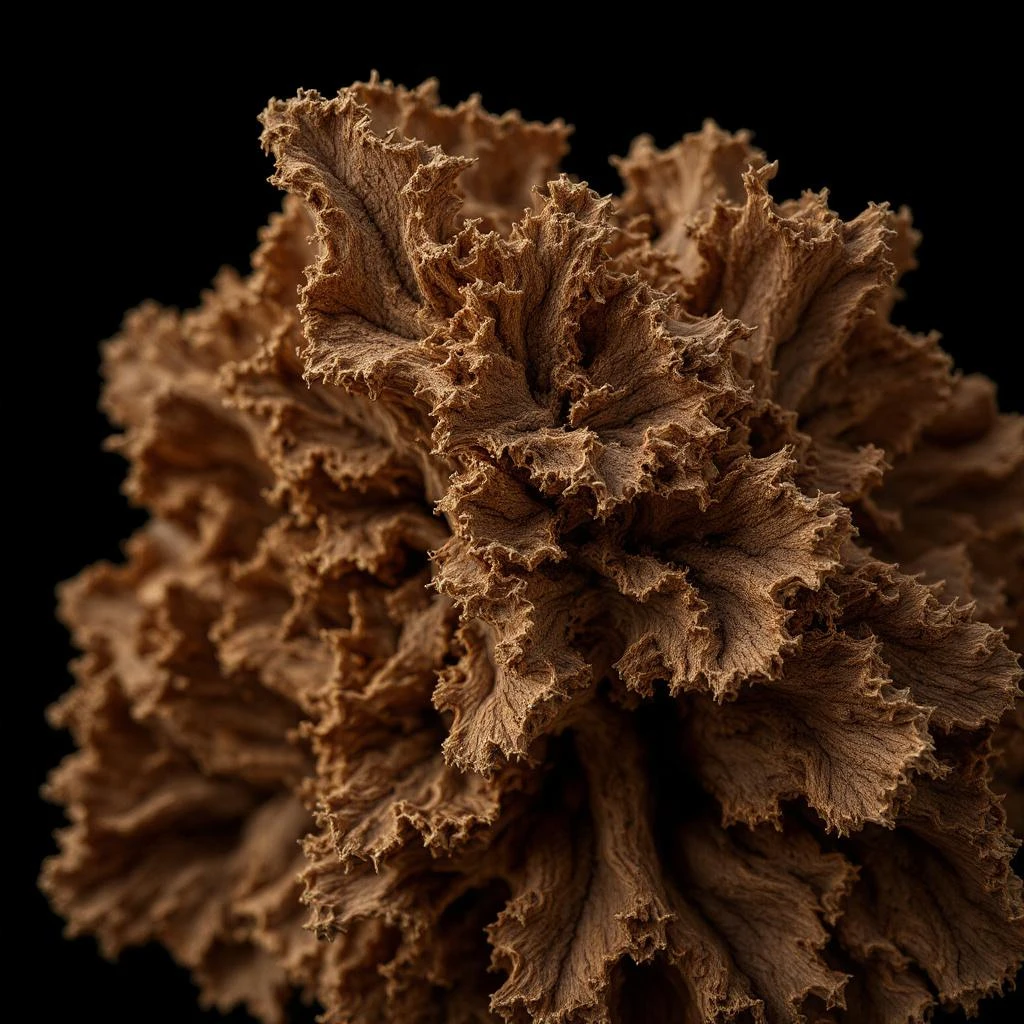
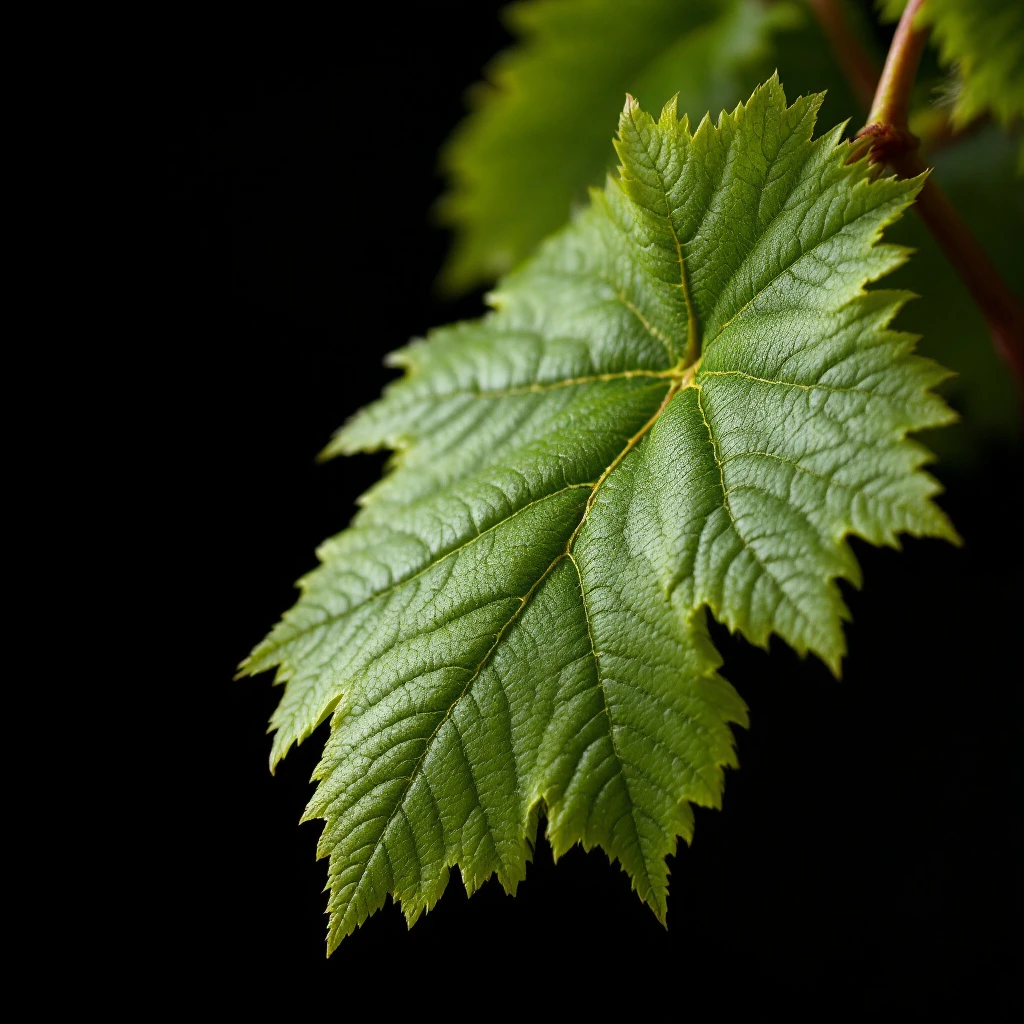
A rare green note distilled from the woody canes and leaves of Vitis vinifera, capturing the fresh, wine-dark soul of the vineyard in amber, resinous waves. Its limited presence in perfumery makes it a prized find for those who seek depth beyond the expected.
Character
How it smells
The vineyard's green soul, captured in amber.
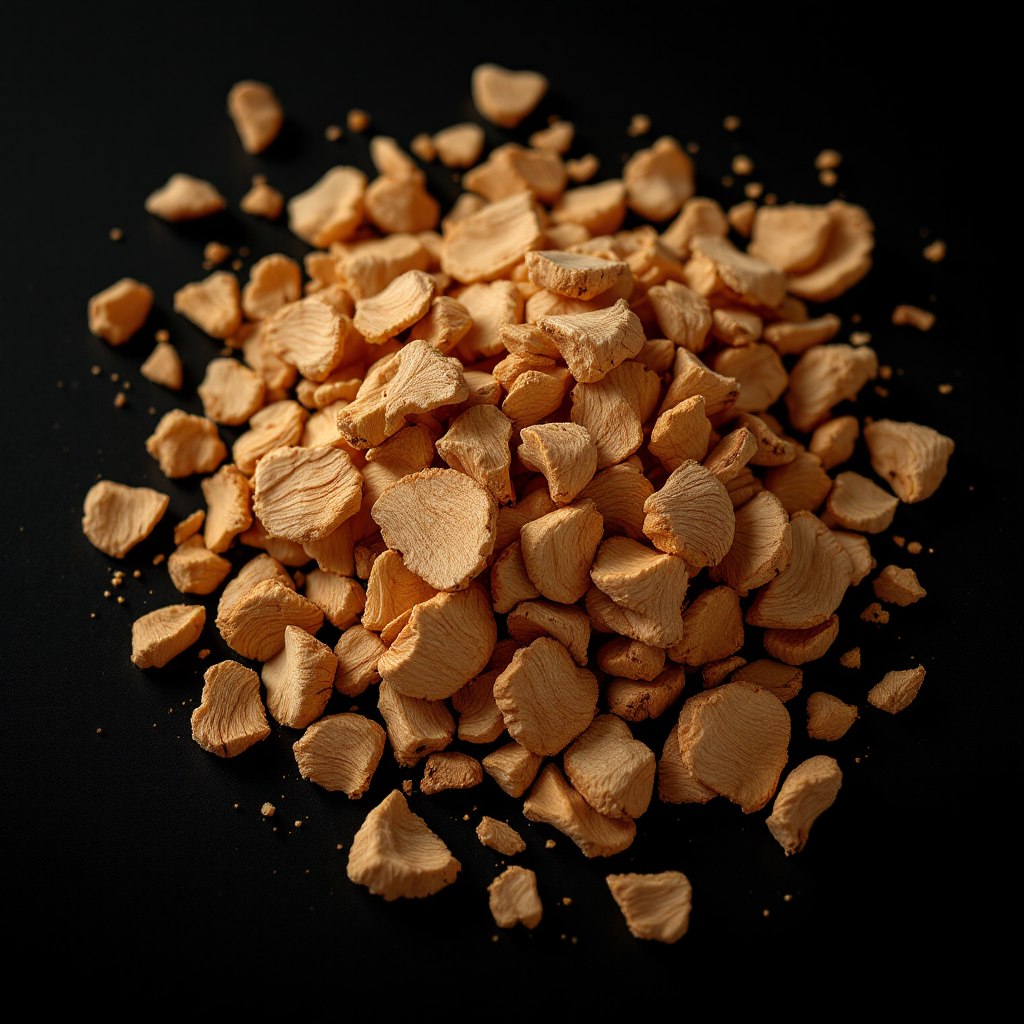
A single kilogram of grapevine absolute requires several hundred kilograms of pruned canes and leaves, making it one of perfumery's more labor-intensive natural materials.
Origin
France
Vitis vinifera has accompanied human civilization for over 8,000 years, with archaeological evidence pointing to the Caucasus region as one of the earliest centers of domestication. Ancient Egyptians prized grape-derived preparations in their burial rituals and cosmetics, while Greek and Roman physicians incorporated vine materials into medicinal preparations. For centuries, winemakers disposed of pruned canes and leaves without second thought, unaware that this agricultural byproduct held aromatic potential.
It was not until the twentieth century, as perfumers sought to expand the green and chypre families, that the vine's pruned material attracted serious olfactory attention. The resulting grapevine absolute became a marker of authenticity in luxury fragrances seeking vineyard-inspired narratives, particularly in the chypre and fougere categories where its wine-dark, leathery-green character adds unusual depth.
Wears it best
Fragrances featuring Grapevine
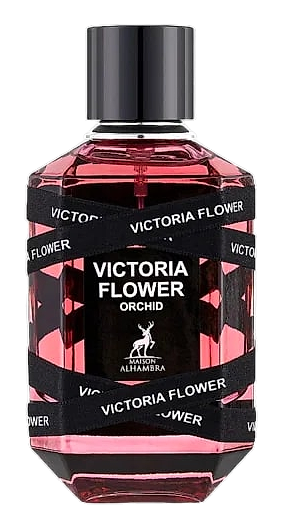
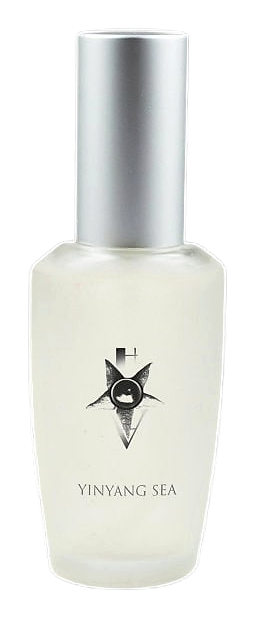
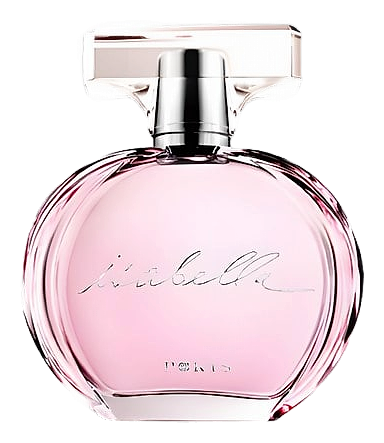
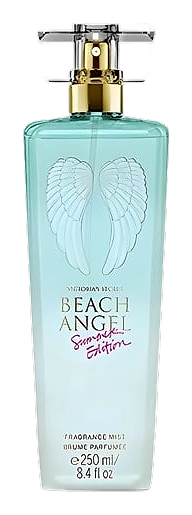
Brands
Brands known for Grapevine
Good to know
Questions, answered
The essentials on Grapevine in perfumery: how it smells, where it comes from, and how it behaves on skin.
What does grapevine absolute smell like?
Grapevine absolute has a complex green-wine character combining fresh cut leaves, woody stems, and a faint balsamic sweetness. It reads as simultaneously fresh and deep, making it unusual among green notes.
Is grapevine a natural or synthetic ingredient?
Grapevine absolute is entirely natural, extracted from the pruned canes and leaves of Vitis vinifera. Synthetic equivalents exist but lack the full complexity of the natural material.
Which fragrance families use grapevine?
Chypre and green families most commonly feature grapevine. It also appears in certain fougere and aromatic compositions where a wine-dark, woody-green depth is desired.
Why is grapevine considered a rare perfumery ingredient?
It requires large quantities of pruned vineyard material to produce a small amount of absolute. Production is limited to regions with established viticulture, and the extraction process is specialized.
Does grapevine smell like wine?
It carries a wine-like undertone but more as a fermented-green resonance than a direct grape or alcoholic scent. The green, leafy qualities dominate over any sweet fruit impression.
What part of the grapevine is used in perfumery?
Perfumers use the pruned canes, leaves, and tendrils gathered after harvest. The grapes themselves are not used in producing fragrance materials.
Where is grapevine absolute produced?
France and Italy lead production, as both countries have long-standing viticulture industries and the infrastructure to process pruned vineyard material into aromatic extracts.
Is grapevine used in high-end or niche fragrances?
Yes, almost exclusively. Grapevine absolute's rarity and extraction cost place it primarily in luxury and artisan fragrances rather than mass-market products.