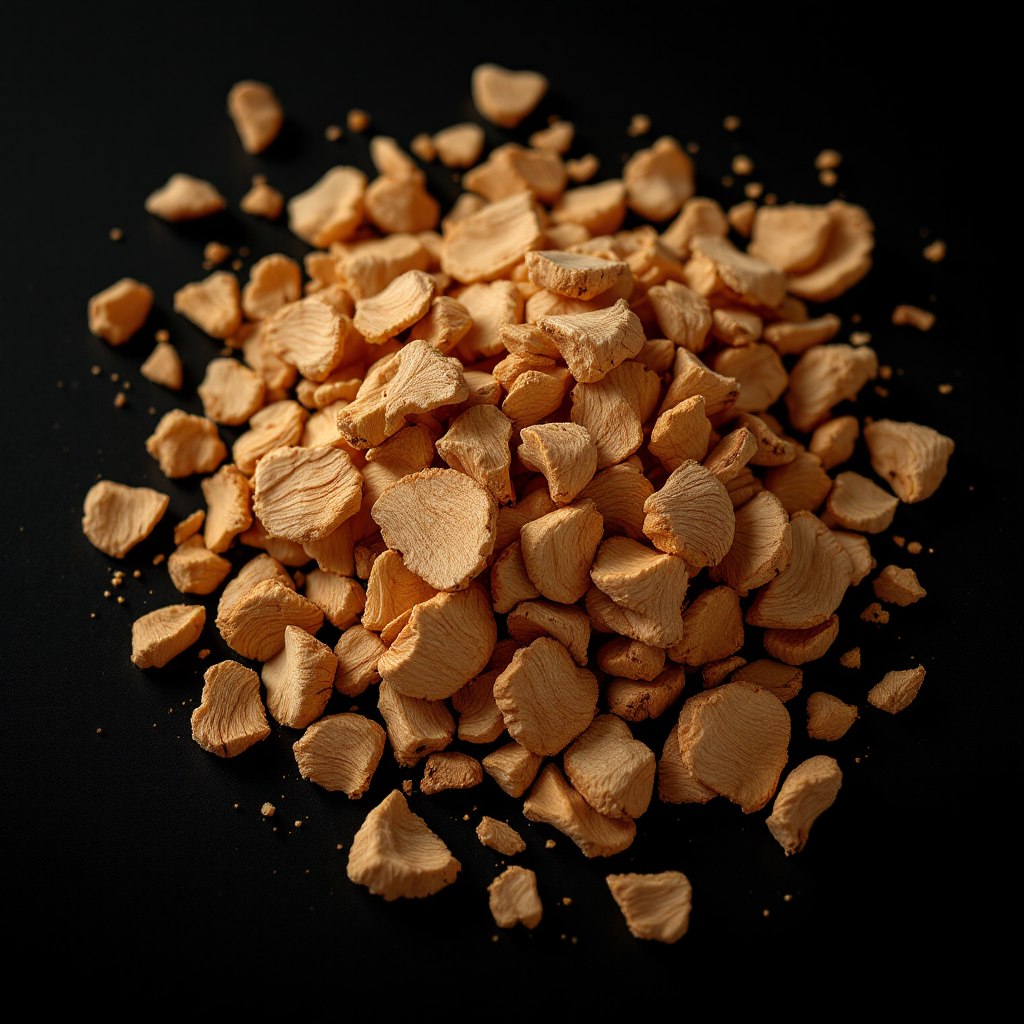
Formosan Cypress
Formosan Cypress yields a smoky, resinous wood oil prized for its deep, meditative warmth. Distilled from the heartwood of Taiwan's native hinoki relative, it anchors woody compositions with quiet intensity.
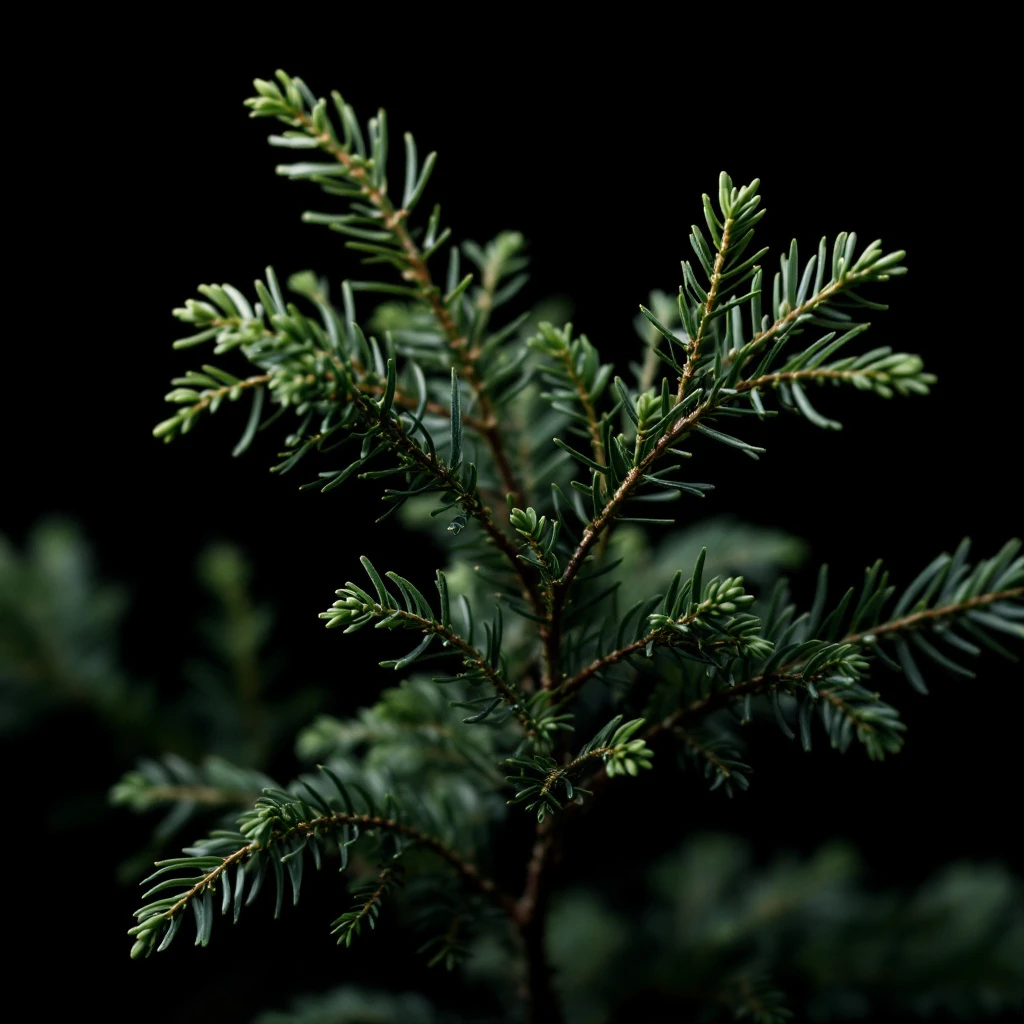
Character
How it smells
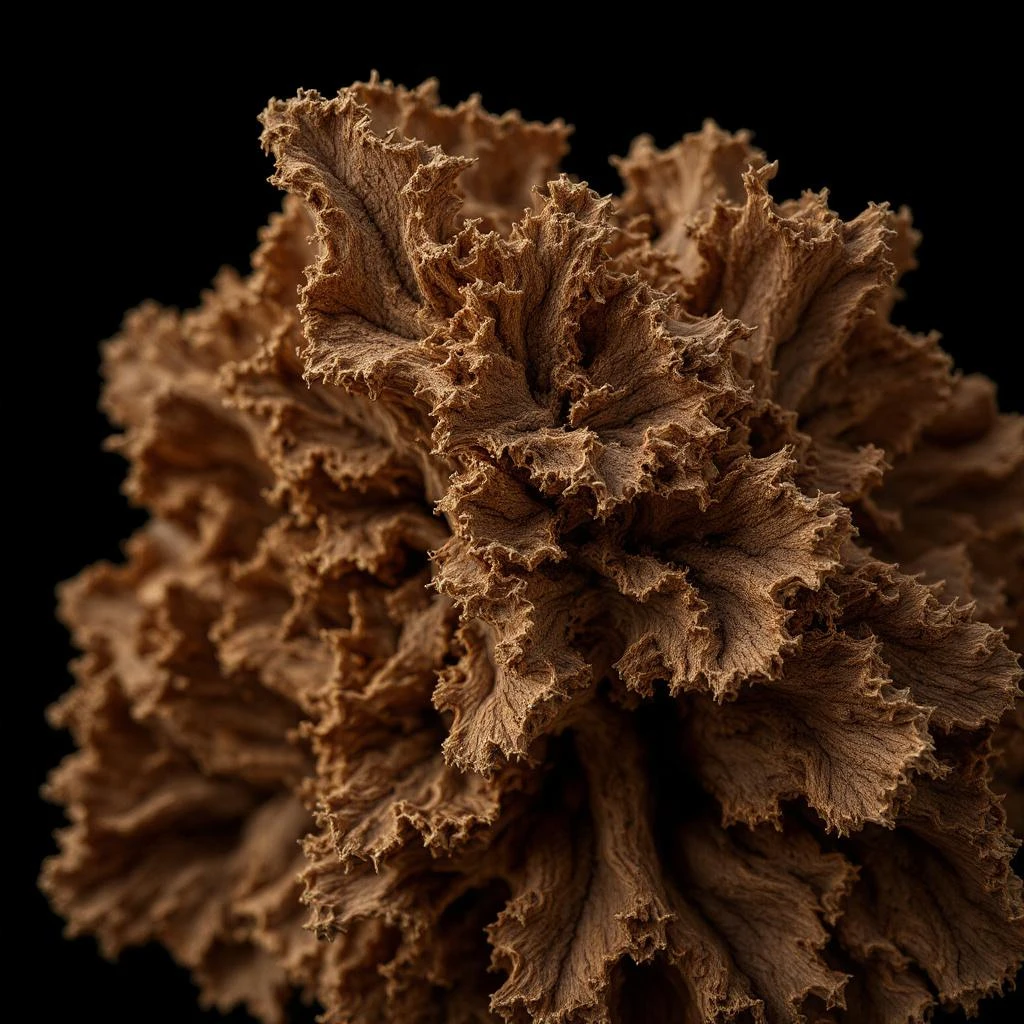
Smoky, ancient wood from Taiwan's mountains
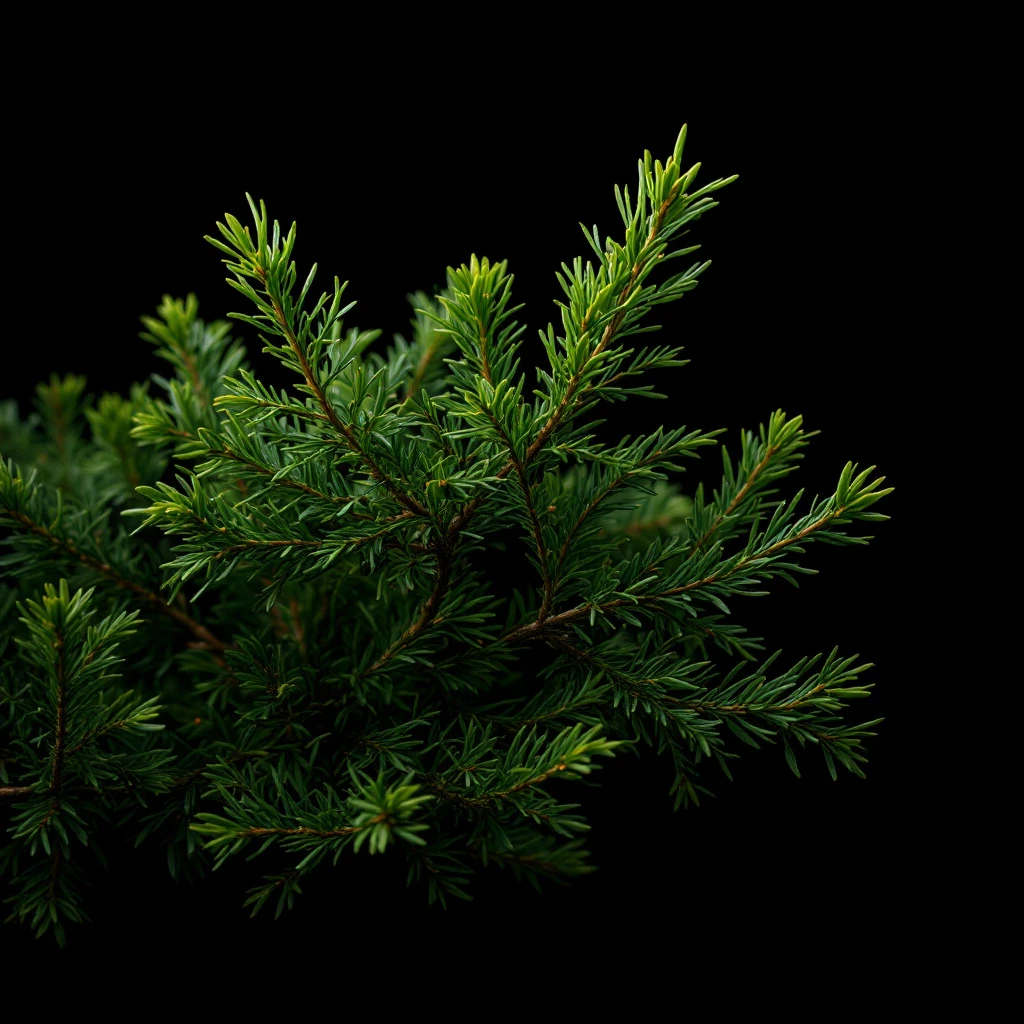
Taiwan's tallest native conifer, Formosan Cypress can live over 2,000 years, with some specimens predating the Ming Dynasty.



Origin
Taiwan
Formosan Cypress, known locally as 'Taiwan hinoki,' has shaped Taiwanese indigenous culture for millennia. The Atayal and other mountain communities considered the tree sacred, using its aromatic wood for house posts, canoes, and ritual objects believed to ward off spirits. When Japanese colonizers arrived in the early 20th century, they recognized the timber's exceptional quality for temple and shrine construction, exploiting vast old-growth stands across the central highlands.
Post-war Taiwanese forestry prioritized conservation, and old-growth Formosan Cypress became legally protected. The fragrant heartwood, historically burned as incense in Buddhist temples, eventually caught the attention of perfumers seeking distinctively smoky woody notes beyond European cedar. Traditional uses inspired modern aromatherapy applications, where the oil's grounding, forest-floor character gained a following in wellness circles.
Today it bridges two worlds: a cultural artifact of East Asian sacred architecture and a contemporary ingredient for niche perfumery chasing authentic coniferous depth.
Wears it best
Fragrances featuring Formosan Cypress
Brands
Brands known for Formosan Cypress
Good to know
Questions, answered
The essentials on Formosan Cypress in perfumery: how it smells, where it comes from, and how it behaves on skin.
What does Formosan Cypress smell like?
Formosan Cypress oil smells smoky, dry, and woody with subtle leather and amber qualities. It carries a meditative, temple-like warmth that distinguishes it from sharper Mediterranean cypress varieties, leaning heavily on cedrene-rich sesquiterpenes from old heartwood.
Is Formosan Cypress the same as hinoki?
No. Hinoki refers to Chamaecyparis obtusa, native to Japan, while Formosan Cypress is Chamaecyparis formosensis, native to Taiwan's mountains. They share a genus but differ in oil chemistry and aroma, with Formosan Cypress reading smokier and more resinous.
Where does Formosan Cypress essential oil come from?
Production centers on Taiwan's central mountain ranges, where mature heartwood is harvested under forestry management programs. Distillation typically happens locally in small-scale facilities that process wood sourced from sustainable forestry and temple-restoration projects.
Why is Formosan Cypress used in perfumery?
Its high cedrene content gives perfumers a distinctive smoky-woody base note that bridges cedar and vetiver. Over 30 sesquiterpenes contribute to its complex drydown, making it valuable for adding depth to oriental and woody fragrance compositions.
How is Formosan Cypress oil extracted?
Producers chip heartwood into small pieces and pass steam through the biomass in copper stills. The vapor carries volatile compounds into condensation, separating oil from hydrosol. Yields are low, roughly 2-4%, reflecting the dense, resin-rich wood.
Can Formosan Cypress be used in skincare?
Used in diluted formulations, the oil appears in some aromatherapy products for its grounding scent. Its high cedrene concentration means standard dilution guidelines apply. Most documented use centers on perfumery rather than topical skincare applications.
Is Formosan Cypress sustainable?
Sustainability depends on sourcing. Taiwan restricts old-growth harvest, so most perfumery-grade oil comes from managed forestry operations, temple restorations, or naturally fallen timber. Certifications vary; buyers should seek suppliers disclosing chain of origin.
What fragrances feature Formosan Cypress?
It appears in select niche and indie perfumer compositions seeking smoky Taiwanese character. Its relative rarity keeps it out of mainstream designer lines, though some oriental and woody niche houses feature it as a distinctive regional alternative to cedarwood.