The Story
Why it exists.
The beginning
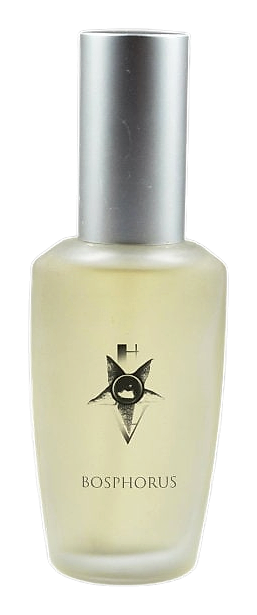
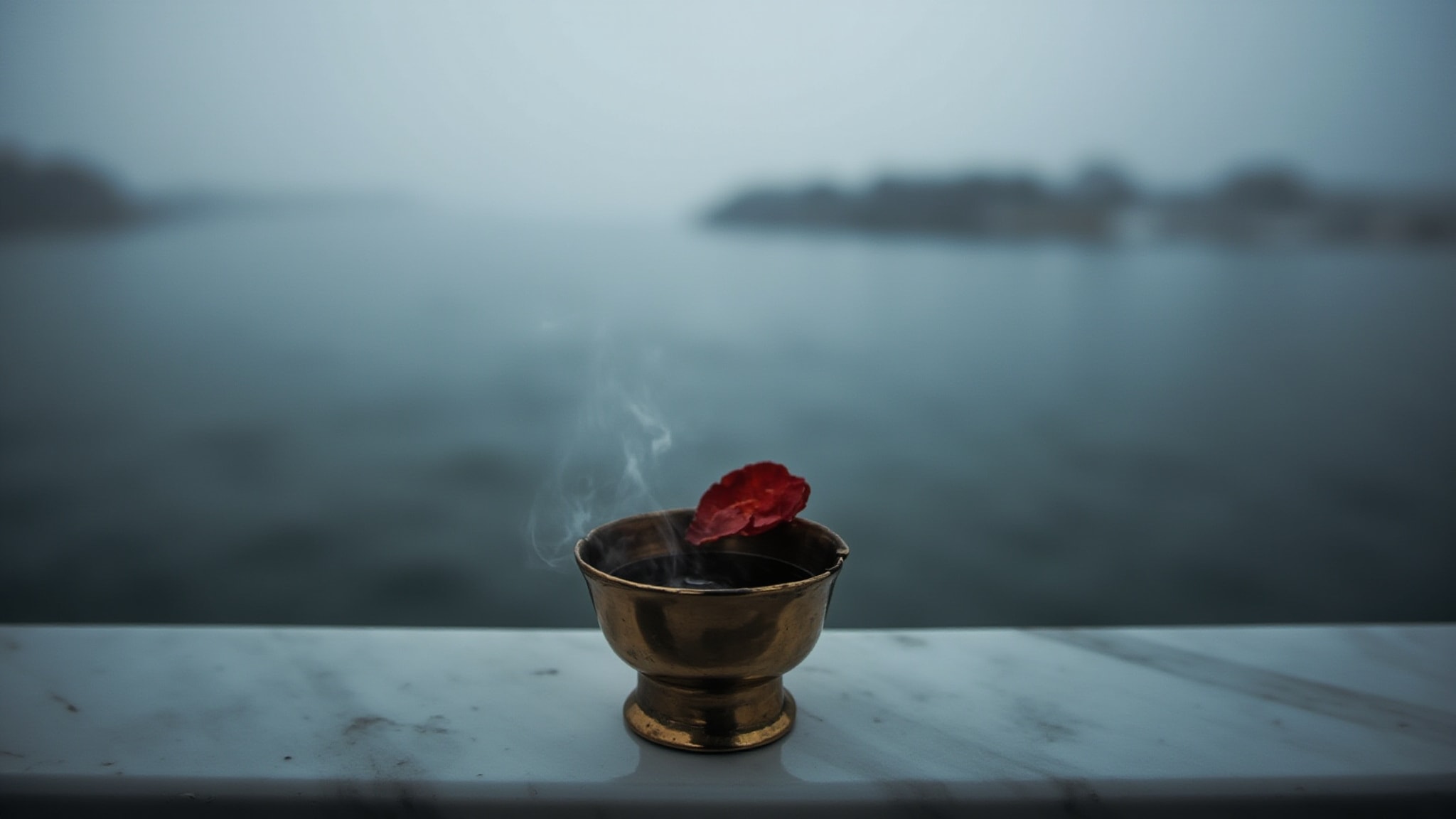
The Bosphorus is a strait, not a perfume. A stretch of water that splits Istanbul into two continents, where the city's character gets compressed into a single crossing. House of Atropa named this 2024 release after that geographic compression, and the connection between place and scent feels deliberate. The brand is owned and composed by Elisabeth Andrék, who built Bosphorus to capture the feeling of two temperatures meeting in a single place. The composition opens with ozone, salt, seaweed, and violet. Cold. Mineral. The kind of top notes that register as atmosphere rather than fragrance. Then Turkish rose and coffee warm the center, while turmeric adds that golden, slightly bitter heat you find at spice markets along the water.
What makes the structure interesting is the contrast baked into the pyramid. Ozonic notes and seaweed read marine from the first spray, with a clean salinity that comes across as organic rather than manufactured. The salt is mineral, the seaweed organic, the violet lending a powdery coolness that keeps things from tipping into something functional or synthetic. Then the heart introduces a trio that has no business in an aquatic: coffee, Turkish rose, turmeric. The coffee grounds the composition with its roasted bitterness, pulling the marine notes back down to earth.
The evolution
The first ten minutes belong to the water. Ozone and salt hit first, sharp and metallic, like waves crashing against limestone. Seaweed adds something organic underneath, slightly bitter, almost like the smell of rocks exposed at low tide. Violet sits beneath that, not so much floral as powdery-cold. Then it shifts. Not gradually. Around the twenty-minute mark, the coffee arrives, and the composition starts pulling in a different direction. The salt doesn't disappear, but it makes room. Turkish rose and turmeric build in the center, warm and slightly golden, with that earthy-bitter edge that turmeric brings. By the one-hour mark you're wearing something that smells like rose tea brewed with too much coffee, in a stone kitchen, with salt on the windowsill. The drydown takes its time. Black tea and cypress hold the base for hours, giving it a dry, faintly smoky, tannic finish. The salt lingers on skin into the next morning, a faint mineral trace that makes everything else feel like weather.
Cultural impact
Bosphorus carries a naturalistic weight that sets it apart from more conceptual releases in the independent space. Rather than building a narrative around a character, emotion, or abstract concept, the composition points outward, toward a real stretch of water and the sensory experience of standing near it. The choice of Turkish rose and coffee as the warming elements, paired with seaweed and ozone as the cooling ones, gives the fragrance a specificity you don't often find in mainstream perfumery. The result reads less like a mood piece and more like a documentary, anchored in place.