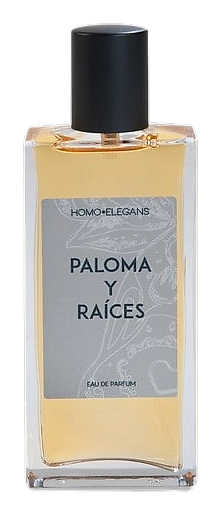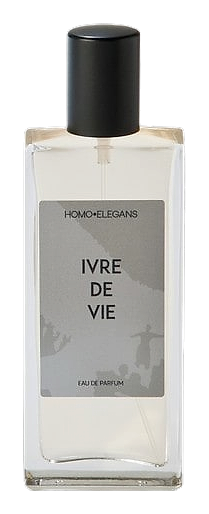
The Story
Why it exists.
The beginning
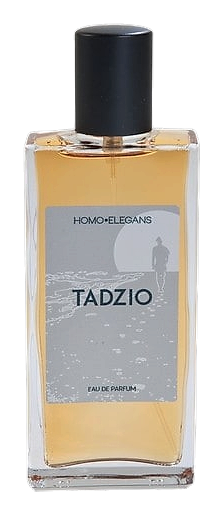
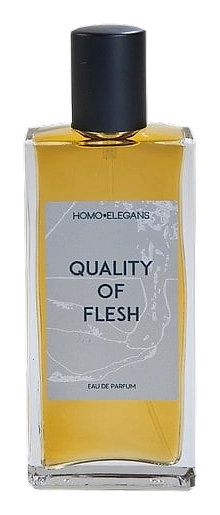
Quality Of Flesh was launched in 2015, and it set a particular tone for everything that followed. The name itself was the brief. No floral poetry, no coastal romance. Just the raw, honest materiality of being alive, offered without softening. Michele Marin, the perfumer credited for the composition, built it around contrasts that rarely sit comfortably together in mainstream perfumery: the bright snap of juniper and pink pepper against the deep, almost feral warmth of castoreum, civet, and leather. It reads less like a fragrance designed to charm and more like one designed to be inhabited.
The structure is what makes it strange. Juniper berries open with something almost like a cold, aromatic snap, before the heart plunges into styrax and costus, resins and roots that smell less like a perfume lab and more like a candlelit back room. Narcissus adds a green, slightly bitter floral edge that keeps the pepper from tipping into pure spice rack. Then the base arrives and refuses to leave: castoreum and civet, two of perfumery's oldest animalic materials, anchoring the leather and benzoin into something that lives on skin for hours.
The evolution
The first 30 minutes are deceptive. Juniper and the two peppers give the opening a clean, almost bracing clarity. There's a flash of aromatic cold, like stepping out of a heated room into a winter street. Then styrax and costus take over, and the temperature drops in a different direction, smoky, resinous, with the slightly sweaty, root-like warmth that costus is famous for. Narcissus threads through the middle phase like a faint green light. Around the 2-hour mark, the animalic base fully settles in. Castoreum and civet do what they do: they don't announce themselves, but they change the air around the wearer. The leather note stops reading as a jacket and starts reading as skin. Benzoin sweetens the edges just enough to keep the civet from going feral.
Cultural impact
Quality Of Flesh wears its animalic lineage openly, drawing from a tradition that treats castoreum, civet, and leather as legitimate building blocks rather than relics to be modernized away. It sits within a contemporary conversation about what niche perfumery can hold, closer to compositions that trust wearers to embrace the unusual than to those engineered for universal approval. The fragrance tends to provoke the question rather than answer it, inviting second sniffs, raised eyebrows, and conversations about what scent is for. For wearers who want something memorable precisely because it refuses to behave, it offers a welcome provocation.
The House
HomoelegansHomoelegans is an independent Italian niche fragrance house founded in 2015 by Francesco Gini and Maurizio Piazzi. The brand emerged with a clear mission: to build something innovative and contemporary outside the conventions of mainstream perfumery. From its inception, Homoelegans rejected the atelier model that dominates the industry, choosing instead to present fragrances as complete artistic statements without individual perfumer attribution. This approach positions the house as a unified creative vision rather than a vehicle for star perfumers. The collection spans five distinct scents released between 2015 and 2019, each bearing a title that suggests literary depth or philosophical inquiry rather than conventional marketing language. The name Homoelegans itself hints at the brand's underlying theme: an exploration of human refinement, beauty, and the elegance inherent in human experience.
The Creator
Michele MarinMichele favors a hand‑crafted approach, blending natural absolutes with a few synthetics that add depth. He often starts with a base of amber, labdanum or vetiver, then layers fruit or spice to create contrast.