
The Story
Why it exists.
The beginning
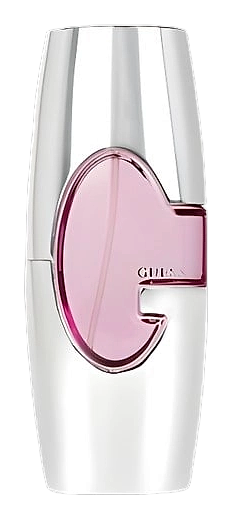
Guess for Women arrived in 2006, bringing the Guess identity into the fragrance space. The brand called on Maurice Roucel to compose the scent. His involvement brought a level of craft to the project that went beyond surface appeal. The brief called for a fruity-floral character, but with real complexity and depth. Roucel built layers into the composition, creating something with substance rather than a simple, straightforward fragrance that offers little variation as the hours pass. The goal was to translate the Guess aesthetic into a fragrance that felt intentional and considered, not an afterthought.
What makes Guess for Women interesting is its accessible positioning paired with genuine complexity. The heart notes include magnolia, peony, freesia, lily of the valley, red berries, jasmine, peach, and ylang-ylang, sitting beneath the fruity opening. That's a crowded stage. Roucel uses the white florals as a corrective: magnolia and peony give it freshness without sharpness, and the lily of the valley keeps everything feeling clean rather than heavy. The fruit doesn't compete with the florals, it flatters them.
The evolution
The opening hits with bright, fruity notes: green apple, strawberry, bergamot, and tangerine arriving together with a brightness that commands attention. The citrus gradually begins to recede as the heart takes over. By the hour mark, the white florals are running the show. Magnolia and peony bloom first, with freesia and lily of the valley threading through. The red berries and peach keep the heart feeling youthful rather than mature, this is not a fragrance pretending to be something it isn't. Jasmine and ylang-ylang arrive to deepen the florals, becoming creamier as the citrus vanishes entirely. The base announces itself: musk wrapping around cedar, amber warming underneath, oakmoss grounding the sweetness before it settles into something quieter. What remains on skin is clean, the kind of clean that smells like skin, not like nothing.
Cultural impact
Guess for Women found its audience in the mid-2000s. The brand's positioning translated directly into the fragrance. Roucel's involvement gave the composition credibility, and people noticed. It became a point of reference for those exploring the accessible fragrance market. Those who discovered it often returned, finding something worth coming back to in the composition's thoughtful structure.