
The Story
Why it exists.
The beginning
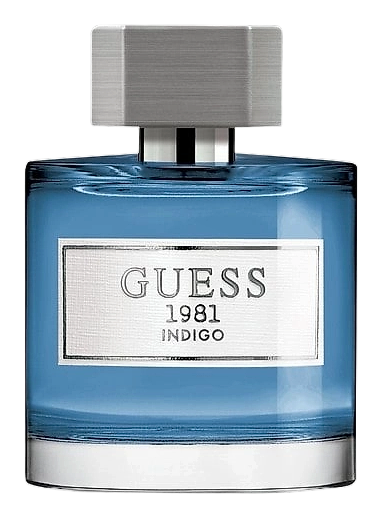
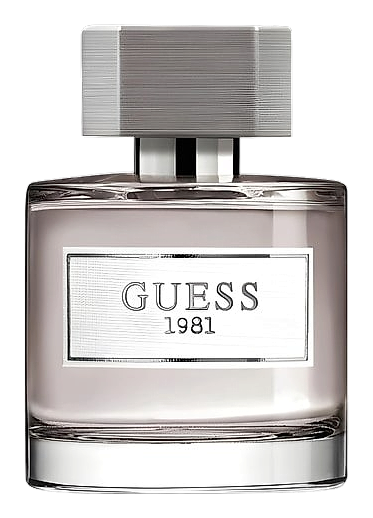
The 1981 for Men translates Guess's founding year into a wearable composition. Stephen Nilsen built this around violet leaf, cedar, and Italian bergamot for the top notes, with ambergris and oakmoss anchoring the heart, and leather and frankincense in the base. It's a woody-chypre that bottles the brand's original vision, American aspiration filtered through European polish and West Coast confidence. The fragrance carries the year the brand changed everything, and does it without nostalgia. Just the scent of ambition worn close.
What makes this composition interesting is the ambergris and oakmoss pairing. Ambergris brings a quiet animalic depth, something marine and warm that doesn't announce itself. Oakmoss grounds it with earthy forest-floor character. Together they create a heart that resists the typical fresh-aquatic masculinity of the era. The frankincense in the base doesn't dominate. It lingers. A quiet spiritual note that keeps the drydown from flattening into mere skin smell. Cedar appears twice, top and heart, which means the woody character stays present throughout the entire arc.
The evolution
The opening arrives quick: violet leaf's green, slightly metallic bite, then Italian bergamot brightens everything. Bergamot fades fast. Cedar steps forward and the composition shifts. The heart opens with a refined interplay of oakmoss and ambergris, creating a quiet complexity that's earthy and slightly animalic, never loud. Then leather and frankincense take over. The frankincense doesn't overpower. It layers. A quiet smoky-waxy quality that sits close to the skin. The drydown settles into a rich leather and incense interplay that lingers on fabric, revealing new facets as the hours pass.
Cultural impact
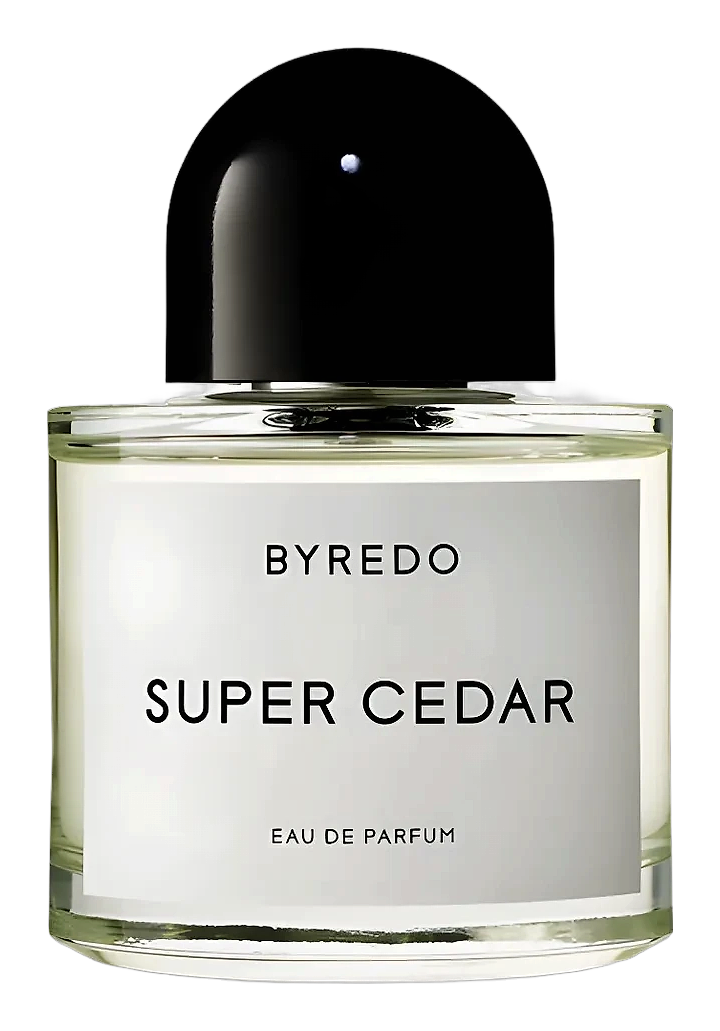
Guess 1981 for Men sits in the woody-chypre category alongside fragrances like Jil Sander Man from 1989 and Byredo Super Cedar. The scent presents an intricate profile, blending unexpected notes into a cohesive composition that rewards careful exploration. Its complex nature suggests a sophisticated approach to fragrance design, inviting deeper appreciation of its nuanced layers.